

The Abdul Latif Jameel Poverty Action Lab TRANSLATING RESEARCH INTO ACTION

TRANSLATING RESEARCH INTO ACTION
J-PAL EVALUATES DEVELOPMENT PROGRAMS AND WORKS TO IMPROVE THE LIVES OF THE POOR THROUGH THE SPREAD OF EFFECTIVE POLICIES
English | Español | Français
  • all
  • publications
  • evaluations
  • jobs
  • partner
  • About J-PAL
    • Overview
    • History
    • Programs
      • Overview
      • Agriculture
      • Education
      • Environment & Energy
      • Finance
      • Health
      • Labor Markets
      • Political Economy & Governance
    • Offices & Contacts
      • Global
      • Africa
      • Europe
      • Latin America and the Caribbean
      • South Asia
    • People
      • Overview
      • Board
      • Global
      • Africa
      • Europe
      • Latin America and the Caribbean
      • South Asia
      • Directory
    • News
      • eNews
    • Partners
    • Support J-PAL
    • Jobs
      • Overview
      • Frequently Asked Questions
      • Job Categories
    • Photos & Video
  • Methodology
    • Training Course
      • Executive Education
      • Advanced Executive Education
      • M&E Management
      • Course History
    • Methodology Overview
    • What is Evaluation?
      • Overview
      • Needs Assessment
      • Program Theory Assessment
      • Process Evaluation
      • Impact Evaluation
      • Cost-benefit/Effectiveness/Comparison Analyses
      • Goals, Outcomes & Measurement
    • What is Randomization?
    • Why
      • Overview
      • Why Evaluate?
      • Why Randomize?
    • Who
      • Overview
      • Who Conducts Randomized Evaluations?
      • Who Participates in Randomized Evaluations?
    • When
      • Overview
      • When Did Randomized Evaluations Begin?
      • When to Conduct an Evaluation?
      • When is Randomization (Not) Appropriate?
    • How
      • Overview
      • Planning an Evaluation
      • How to Design an Evaluation
      • How to Implement an Evaluation
      • How to Obtain Results
      • How to Draw Policy Implications
  • Evaluations
    • Search
    • Evaluation Map
    • Evaluations by Region & Theme
    • Publications
    • Data
  • Policy Lessons
    • Overview
    • Education
      • Student Participation
      • Teacher Attendance
    • Governance
      • Community Participation
    • Health
      • Child Diarrhea
      • Healthcare Provider Attendance
      • Pricing Health Products
    • Policy Publications
  • Scale-Ups
    • Map View
    • Police Training
    • Community Block Grants
    • Free Insecticidal Bednets
    • School-Based Deworming
    • Remedial Education
Home � About J-PAL

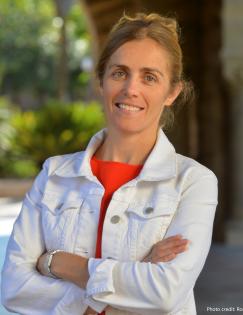
Pascaline DupasPDF version

Affiliated Professor 
Affiliated Professor
Assistant Professor
Stanford University
Ph.D, EHESS, Ecole d’Economie de Paris
pdupas@ stanford.edu
CV
homepage
Download Bio

Pascaline Dupas is an Assistant Professor in the Economics Department at Stanford University. Dupas' areas of research are applied microeconomics and development economics. She is currently conducting field experiments in health, education, and microfinance.

Evaluations

Preventing HIV and Teen Pregnancy in Kenya: The Roles of Teacher Training and Education Subsidies
Balancing Health Benefits and Risks of ACT Subsidies for Africa
Constraints to Saving for Health Expenditures in Kenya
The Role of Exposure, Social Networks and Marketing Messages in Households' Willingness to Pay for Malaria Prevention in Kenya
Household Water Connections in Tangier, Morocco
Savings Accounts for Village Micro-Entrepreneurs in Kenya
Peer Effects, Pupil-Teacher Ratios, and Teacher Incentives in Kenya
Free Distribution or Cost Sharing? Evidence from a Malaria Prevention Experiment in Kenya
HIV/AIDS Prevention Through Relative Risk Information for Teenage Girls in Kenya
The Impact of VCT and Condom Distribution as HIV Prevention Strategies Among Youth in Kenya
Returns to Secondary Schooling in Ghana
Conditional Cash Transfers for Education in Morocco
Effective Delivery of Health Products in Ghana
The Impact of Savings Accounts on Households in Chile

Related News

  • Turning on the Taps in Tangiers - The World Bank
  • To Use or Not to Use: Getting People to Adopt New Health Technologies - World Bank
  • Secondary Sources: Chinese Inflation, Arrow’s Other Theorem, Happiness on Tap - The Wall Street Journal
  • Grameen Bank and the Public Good - New York Times
  • MicroCapital.org Reports on a Microsavings Project in Kenya - MicroCapital.org
  • Handicapping Economics' "Baby Nobel", the Clark Medal - The Wall Street Journal
  • Sparking a Savings Revolution - The New York Times
  • Perhaps Microfinance Isn’t Such a Big Deal After All - Financial Times
  • Which Poverty-Fighting Policies Work? J-PAL Has the Answer - Fast Company
  • Influencing Sex, with Information - New York Times
  • The Intensive and Extensive Margins of Teenage Sex - Healthcare Economist
  • What Lessons Can Schools Learn From Streaming by Ability? - Financial Times
  • Numbers That Can Change the World - The Boston Globe
  • Sachs Not Vindicated - Center for Global Development
  • Jeff Sachs Vindicated - Dani Rodrick's blog, Professor of International Political Economy at Harvard Kennedy School
  • Charity vs. Capitalism in Africa - Business Week
  • A Handout, Not a Hand Up - The Boston Globe
  • Field Trials Aim to Tackle Poverty - Nature
  • Cheap Solutions Cut AIDS Toll for Poor Kenyan Youths - New York Times

The Abdul Latif Jameel Poverty Action Lab
Contact J-PAL | Subscribe