



Emergency Savings Accounts for Remittance Receivers in Mexico
- Adults
- Remittances
- Savings/deposits
- Take-up of program/social service/healthy behavior
- Commitment devices
- Savings

In Mexico, the financial intermediary Caja Nacional del Sureste (CNS) observed that it was transferring a large number of remittances to their clients but that very little savings was captured from this flow of money. Researchers partnered with CNS to investigate whether requiring clients to sign a non-binding agreement to save a predetermined amount of each remittance received could increase saving.
Policy issue
By the year 2000, individuals living outside their country of birth had grown to nearly 3 percent of the world' s population, reaching a total 175 million people.1 The money many of these migrants send home, remittances, is an important but relatively poorly understood type of international financial flow. Currently, the use of savings services is low among many remittance receivers. Increasing savings has the possibility to mitigate the negative impacts of unforeseen circumstances, such as medical emergencies or economic hardship.
Context of the evaluation
In Mexico, the financial intermediary Caja Nacional del Sureste (CNS) observed that it was transferring a large amount of remittances to their clients but that very little savings was captured from this flow of money. At the start of the study, only 38 percent of the sample of remittance receivers had a savings account at the Caja, and only about one-half of these clients had actually saved any portion of their remittance.
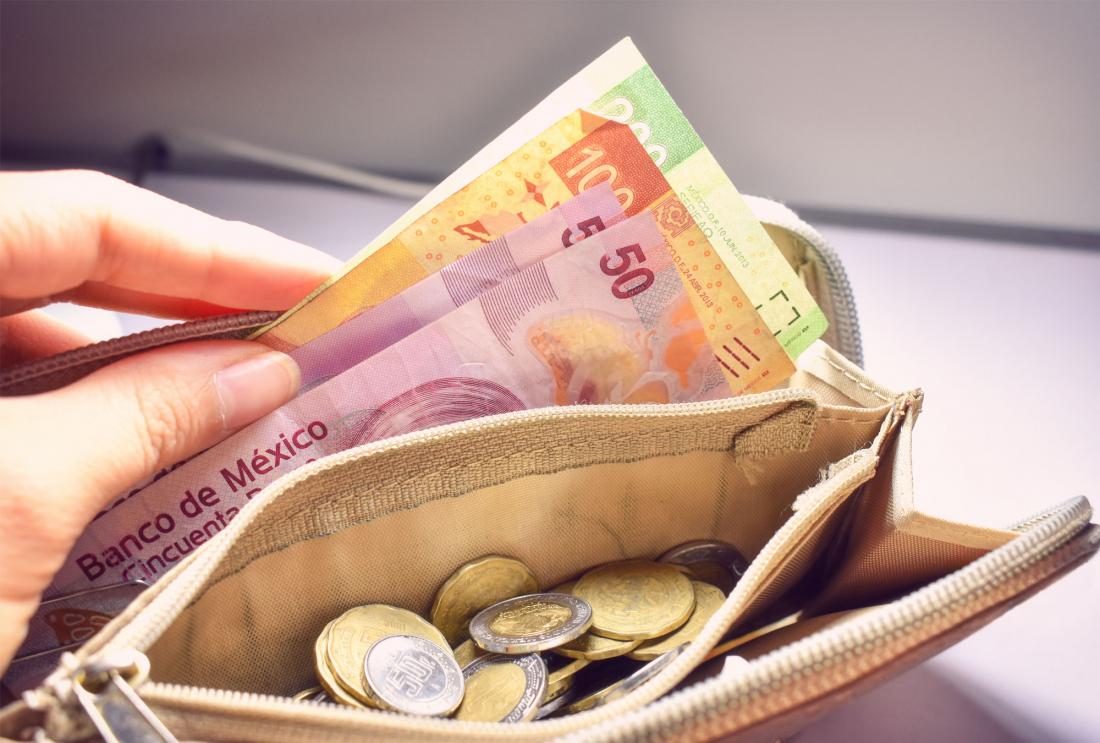
Details of the intervention
In an effort to increase savings among remittance receivers, at the onset of the project, CNS offered a saving account called "Tu Futuro Seguro" (TFS), or "Your Secure Future," to any remittance receivers in its four branches. The account paid 7 percent annually, compounded every month, with no restrictions on withdrawals or deposits. It had no starting fees but required the client to sign a non-binding agreement to save a predetermined amount of money for every remittance received. The client decided that amount, although CNS suggested US$20, US$50, or US$100. The client could also make deposits from any other source of income. As the name suggests, the account was marketed to clients as an account to save for emergencies, future economic shocks, and future illnesses. Though clients could withdraw funds, they were encouraged to use the money only for an emergency purpose.
The total sample of 783 remittance receivers were randomly assigned to either the treatment or the comparison group. For clients assigned to the treatment group, the system automatically informed CNS staff to offer TFS products. During their subsequent visits, CNS staff continued to offer the product until clients opened the account. For those who were assigned to the comparison group, CNS staff followed routine process and did not offer the TFS product.
There were two sources of data to inform the study. The baseline survey, which was administered when clients first arrived at the branch, included questions on poverty, children' s attendance in school, and information about remittances (who makes decisions about remittances, relationship with the sender, and savings level). Administrative data, including account information such as daily transaction amount, monthly balance, basic demographic information, date to join as a member, purpose of the transaction, remittance amounts, committed saving amount, etc, was also collected from the CNS information system.
Results and policy lessons
Study ongoing; results forthcoming.