Health
In addition to supporting policymakers in applying evidence from randomized evaluations to their work, sector chairs and staff write policy insights that synthesize general lessons emerging from the research, condense results from evaluations in policy publications and evaluation summaries, and disseminate lessons to policymakers through targeted outreach. The sector also hosts initiatives such as the US Health Care Delivery Initiative to fund new research.
Evaluation
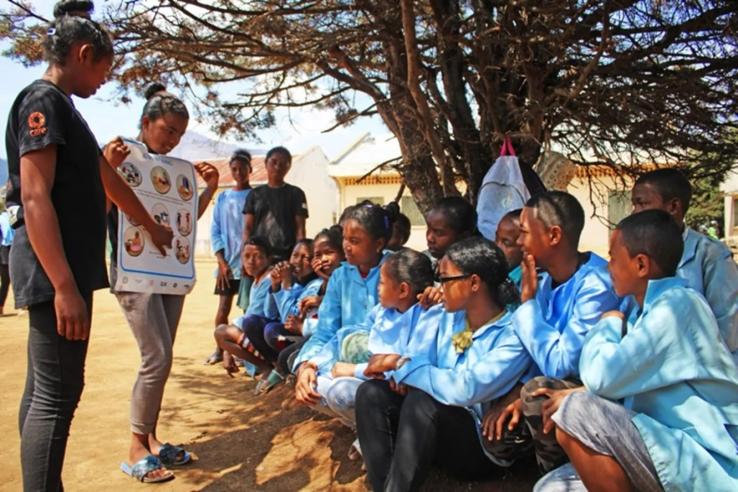
Addressing Menstrual Stigma and Hygiene to Improve Education and Psychosocial Well-Being among Adolescent Girls in Madagascar
Researchers evaluated the impact of a program addressing constraints related to hygiene infrastructure and access to sanitary products while addressing social stigma around menstruation, on girls’ learning and psychosocial well-being in Madagascar. The program led to improvements in academic...
Case study
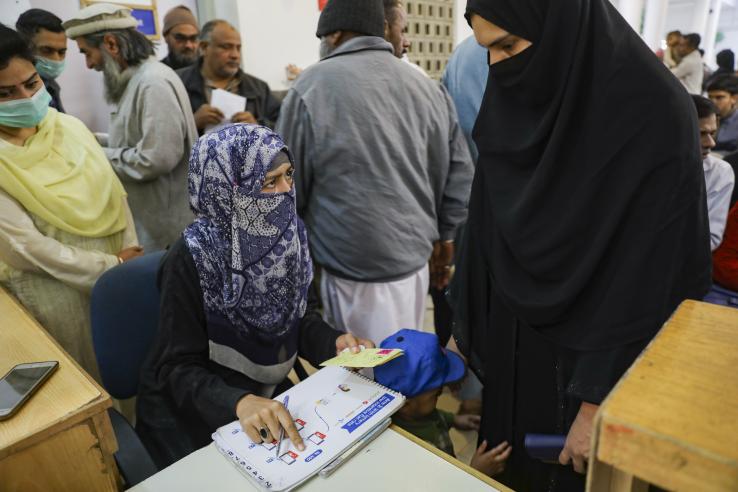
Mobile conditional cash transfers to improve routine childhood immunization
The Health Department of the government of Sindh, Pakistan used rigorous evidence from a randomized evaluation to support the scale-up of an incentive program to increase routine childhood immunization coverage and timeliness.

Evaluation
Forgive and Forget: The Impact of Medical Debt Forgiveness on Financial Outcomes in the United States
In this randomized evaluation, researchers evaluated the impact of a medical debt relief program (that buys and relieves a portion of individuals’ medical debt) on measures of mental and physical health, health care utilization, and financial well-being—including financial distress, credit score...
Project
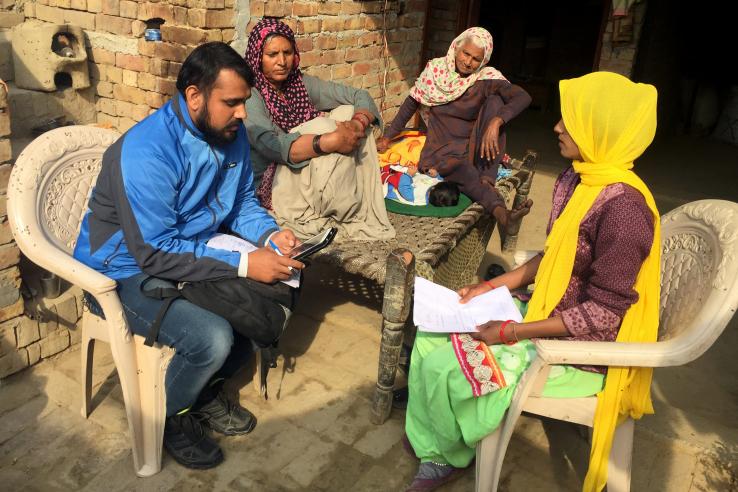
Using Social Networks, Incentives, and Reminders to Boost Vaccine Demand
A package of interventions combining well-connected local immunization ambassadors, targeted reminders, and incentives to caregivers increased measles vaccination by approximately 55 percent in an at-scale study in Haryana, India. A version using only reminders and ambassadors was less expensive per...

Blog
Introducing the Health Care Evaluation Toolkit: Resources for randomized evaluations in health care
J-PAL North America released a new Health Care Evaluation Toolkit that provides guidance and advice for social scientists conducting randomized evaluations of health care delivery interventions, within health systems, or using health care data, leveraging case studies from the United States.
Blog
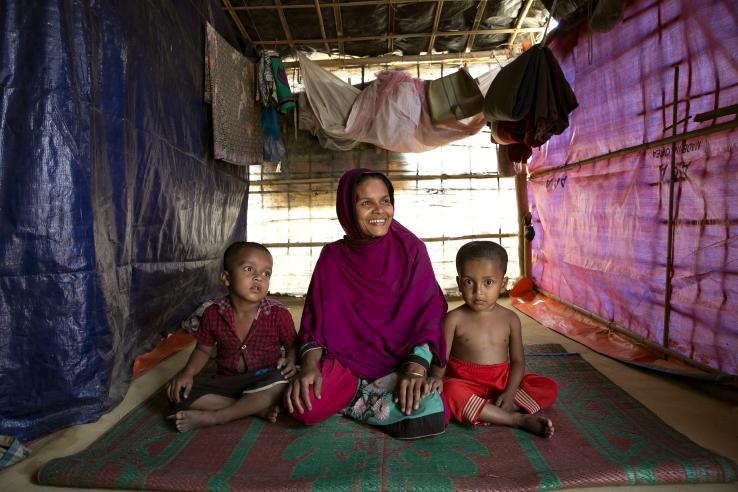
Improving mental health in low- and middle-income settings: Key findings from rigorous research
Mental health conditions are prevalent worldwide, especially among people living in poverty. In 2017, an estimated 10.7 percent of the global population had at least one mental health disorder. Meanwhile, access to services remains low even for those who seek care. Evidence on how to close this...