Political Economy and Governance
Governments around the world spend billions of dollars every year to provide citizens with basic services. But the effectiveness of public spending can be compromised by policies that do not reflect the needs or wishes of citizens, losses and inefficiencies due to corruption, limited oversight of public spending, and poor performance of civil servants.
J-PAL affiliates' research in this sector includes studies on how to increase political participation and hold politicians more accountable to citizens, how to reduce corruption in service delivery, and how to use recruitment, monitoring, and incentives to improve government performance.
In addition to supporting policymakers in applying evidence from randomized evaluations to their work, J-PAL’s Political Economy and Governance sector chairs and staff write policy insights that synthesize general lessons emerging from the research, condense results from evaluations in policy publications and evaluation summaries, and fund new research through the Governance Initiative to answer critical policy-relevant questions.
Blog
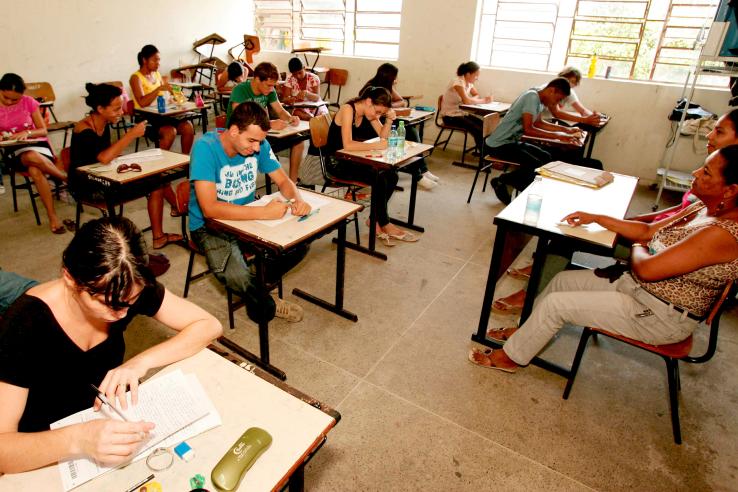
The Evidence Effect: How technology and smart policies can transform government service delivery
The work of government is challenging in high- and low-income countries alike. Today, new problems compound to make the work of government even harder: Governments must tackle poverty and address climate change while many are in the midst of debt and fiscal crises that were compounded by Covid.
Blog
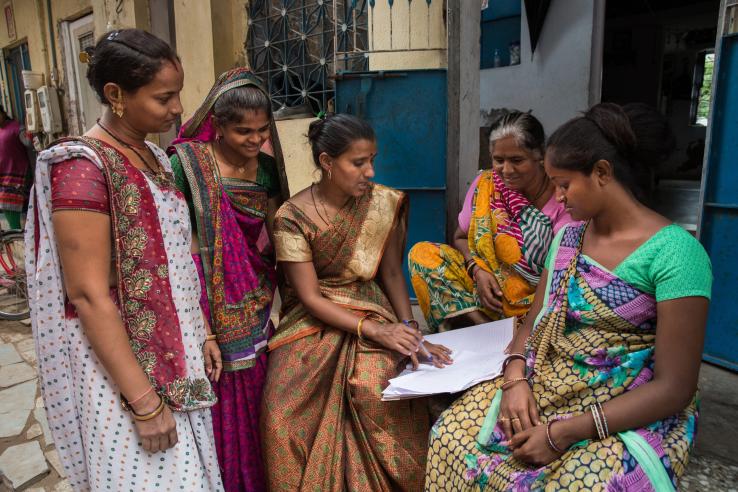
The promise of multidisciplinary collaborations for governance research
Effective governance is essential to reducing poverty—both in aligning the needs of citizens with the actions of states, and then ensuring that states have the capacity to meet those needs. As our research agenda has evolved in the last decade, researchers in J-PAL’s network have increasingly...

Policy insight
Improving tax compliance through reminder messages for taxpayers
Sending tax reminder messages to taxpayers is a cost-effective strategy to increase short-term tax compliance. Governments looking to improve tax compliance should invest in sending simple deterrence-framed messages to taxpayers.

Policy insight
Increasing accountability and reducing corruption through government audits
Government audits have often increased political accountability, reduced misuse of public resources, and improved compliance with laws and regulations. In lower- and middle-income countries, audits have been more effective when the government had a stronger capacity to enforce punishments, when...
Case study
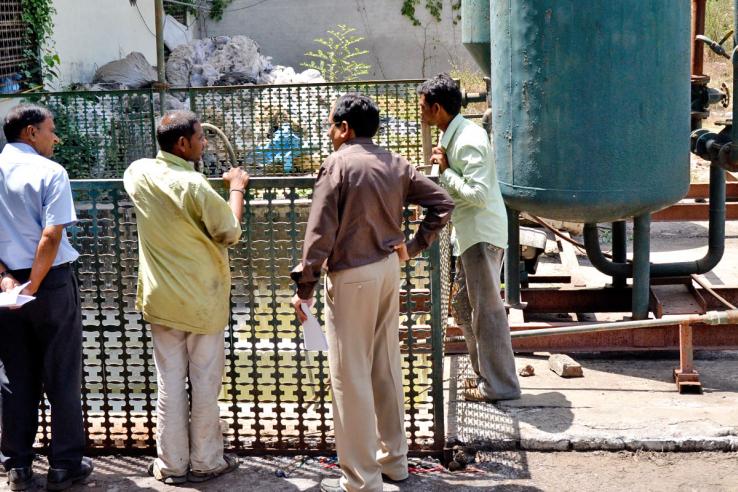
Strengthening third-party audits to reduce pollution
Evidence from a randomized evaluation informed the scale-up of a pollution audit policy in Gujarat, India.
Case study
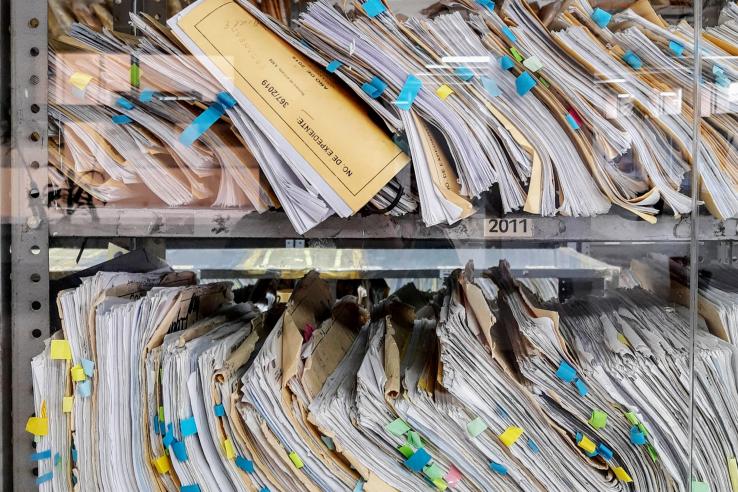
Information and mediation to improve labor courts
The Government of Mexico used insights from a randomized evaluation to inform a national labor law.

Evaluation
The Impact of Exposure to Discordant Media on Political Polarization in Turkey
Researchers evaluated the impact of exposure to and incentives to consume discordant media on political attitudes and behaviors in Turkey. Participants changed their media consumption habits, trusted discordant media sources more, and had less polarized attitudes towards the government, but did not...
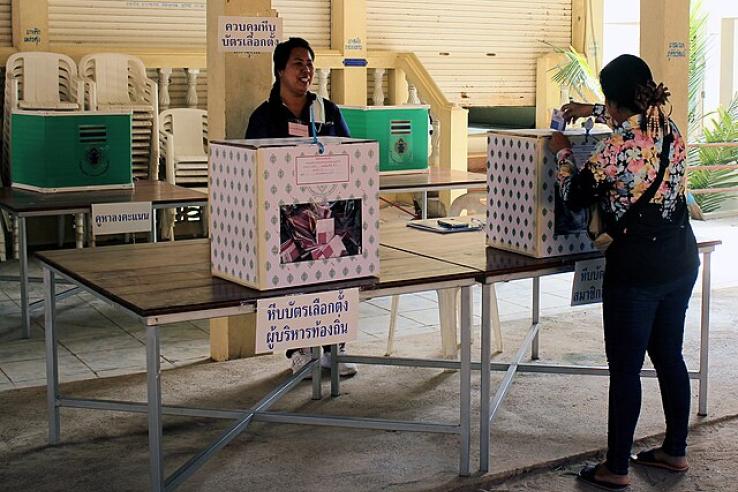
File: Policy publication
Evidence on Fostering Fair, Inclusive & Nonviolent Elections: GCCI Evidence Review
As we reflect back on a record-setting year for elections and look ahead to future polls, how can we use research to identify interventions that governments, international partners, and NGOs can implement to strengthen the quality of elections? In this brief, we provide an overview of the (quasi-...