Social Protection
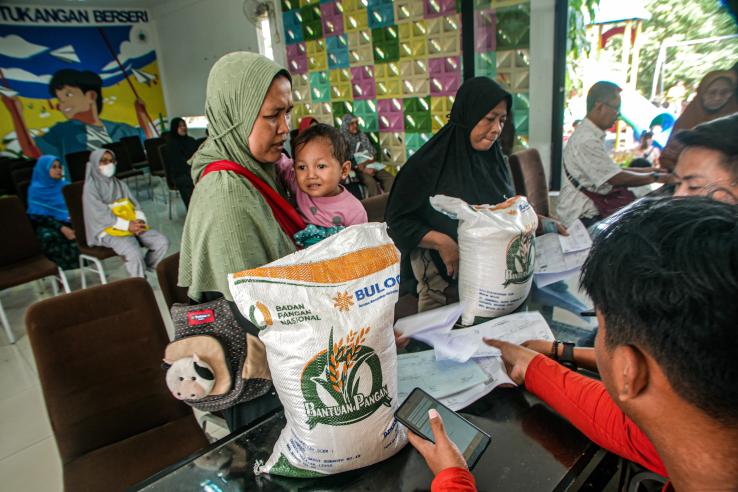
Worldwide, social protection programs such as cash or in-kind transfers and social insurance are growing in scope to help combat poverty and reduce inequality in low- and middle-income economies. Designing social protection programs for these contexts, however, entails challenges that differ from those faced in high-income economies. For example, governments in many low- and middle-income countries may not have data on people’s employment status and incomes, which makes it difficult to effectively target benefit programs to those most in need.
As social protection programs continue to grow in scope, it is critical that governments build robust systems that can both address long-term poverty and help vulnerable households adapt to economic, health, climatic, or other shocks.
In addition to supporting policymakers in applying evidence from randomized evaluations to their work, sector chairs and staff write policy insights that synthesize general lessons emerging from the research, condense results from evaluations in policy publications and evaluation summaries, and fund new research through the Social Protection Initiative.
Blog
O Efeito da Evidência: Como governos de países de baixa e média renda impulsionam e ampliam políticas eficazes de redução da pobreza
A maioria dos governos de países de baixa e média renda investe muito mais em seus próprios programas sociais — que incluem saúde, educação e redes de seguridade social — do que em toda a ajuda externa junta. Embora a ajuda externa tenha estado em evidência este ano, os governos de países de baixa e...