The King Climate Action Initiative: Accelerating Solutions at the Nexus of Climate and Poverty
Communities with the fewest resources—and the least responsibility for global emissions—bear the brunt of climate change. Confronting this inequity is central to the mission of the King Climate Action Initiative (K-CAI).
K-CAI, launched in partnership with King Philanthropies, enables the design, testing, and scaling of solutions at the intersection of climate change and poverty. This work has uncovered practical solutions that are already helping governments and organizations respond more effectively to our warming world.
In five years of discovering and scaling up climate solutions, K-CAI has enabled:

148 RESEARCH PROJECTS
including 85 exploratory projects and pilots and 45 randomized evaluations

15 SCALE-UPS
influencing policy and reaching large populations with evidence-informed programs

33 MILLION
LIVES REACHED
Turning research into real-world impact at scale
K-CAI is reducing pollution, cutting CO₂ emissions, and promoting inclusive economic growth across the world. Our portfolio is only growing: we’re expanding to new geographies, reaching millions more people, and working with governments to scale solutions for a healthier future.
Learn more about recent projects:
Helping people breathe easier in Bangladesh
Millions of people in Bangladesh suffer from lung and heart disease caused by air pollution, some of the worst in the world. Some of this pollution is caused by coal-burning brick kilns. With K-CAI support, a study revealed that training kiln owners in cleaner practices reduced CO2 and pollution from brick firing by 20 percent, while increasing profits. The training was then scaled up, improving air quality for 17.5 million people. The government of Bangladesh has since integrated these practices into its national plans. Read more in our Evidence-to-Policy case study.
|
The K-CAI support allowed us to immediately respond to the Government of Bangladesh's request that we work with them to scale the intervention across Bangladesh. We anticipate that this successful collaboration will unlock support for progressively upgrading kilns across the country." —Stephen Luby, Stanford University |

Can clean air go hand-in-hand with economic growth?
In Gujarat, India, an innovative emissions trading market cut industrial pollution while saving companies’ money—a win for people’s health and for the economy. In 2025, the state of Gujarat was recognized as a finalist for Prince William’s Earthshot Prize for pioneering this solution. Building on this success, similar programs are now reaching millions more people and even expanding to new pollutants, like sulfur oxides in Maharashtra, India.
At Climate Week in New York in September 2025, J-PAL (through K-CAI), J-PAL South Asia, and the University of Chicago’s Energy Policy Institute launched the Emissions Market Accelerator to advance this work. By combining technical expertise with deep partnerships with governments, the EMA aims to scale up emissions market solutions that deliver climate benefits at a fraction of the cost of traditional approaches—making cleaner air and climate action achievable for all.
|
Becoming an Earthshot Prize Finalist is a proud milestone for the Gujarat Pollution Control Board and the Emissions Market Accelerator. It is an international recognition of a solution born in Gujarat that has the potential to transform how the world addresses industrial pollution." —Shri Devang M. Thaker, Member Secretary, Gujarat Pollution Control Board |
Paying landowners to conserve forests
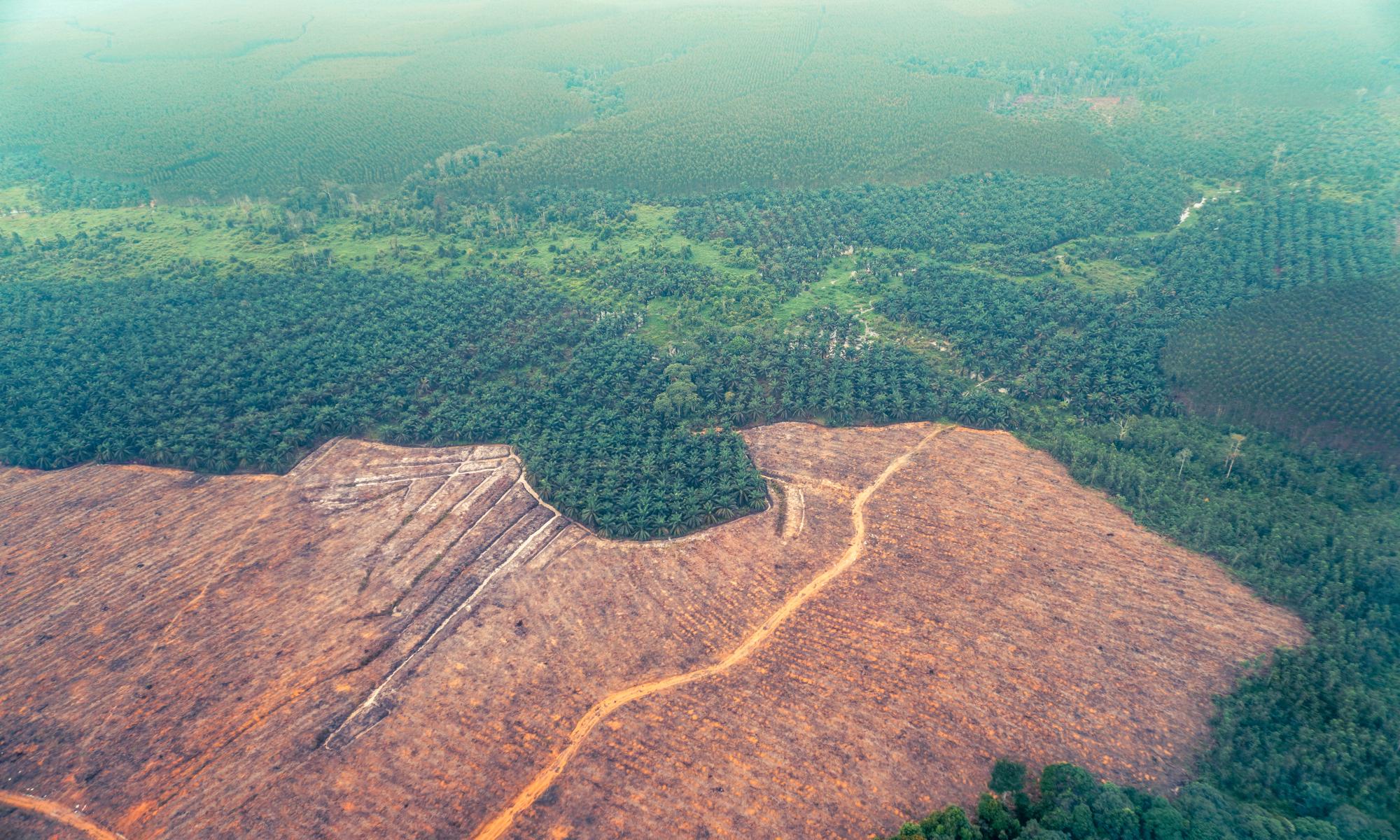
Deforestation drives 8 billion tons of CO₂ emissions—more than all the cars, trucks, ships, and planes on Earth combined. At the same time, 1.6 billion people rely on forests for their livelihoods. Paying landowners to conserve forests through conditional cash transfers, a program approach known as Payments for Ecosystem Services (PES), has been shown to cut deforestation by 54 percent at a cost of just US$2.60 per ton of CO2.
At COP30, the 2025 United Nations conference for climate action, J-PAL’s regional office for Latin America and the Caribbean (LAC) and the Nature Conservancy held an event to share evidence on PES, listen to policymakers, and collaborate to improve program design as it scales in the region, including exploring partnerships in Brazil, Chile, Mexico, and Guatemala.
Building on this work, J-PAL LAC aims to launch the Amazon Livelihoods Lab in 2026 to identify and test policies at the intersection of livelihoods and environment through randomized evaluations, government capacity building, and partnerships with local researchers and organizations.
|
You’re not banning, you’re not coercing, but encouraging without further impoverishing poor people." —Seema Jayachandran, Princeton, J-PAL affiliate |

Esther Duflo introduces the Amazon Livelihoods Lab alongside indigenous leader Kleber Karipunaat and David Gelles of the New York Times at COP30 in Belem, Brazil in November, 2025. Photo credit: Community Jameel
Government innovation through evidence-to-policy labs
J-PAL’s Air and Water Labs are transforming how governments confront pollution and energy challenges by partnering with local government agencies to test solutions that achieve their goals, in their contexts.
Launched in 2023 in collaboration with Community Jameel, the Labs co-develop projects with government agencies that test practical strategies for cleaner air, safer water, and reliable energy access. Through competitive funding rounds, the Air and Water Labs have enabled 15 research projects, including:
- Helping small-scale farmers reduce greenhouse gas emissions in Egypt: The Egyptian Biodynamic Association, endorsed by Egypt’s Financial Regulatory Authority, is working with researchers Kyle Emerick (Tufts), Mai Mahmoud (J-PAL post-doctoral fellow), and Siddhi Doshi (Tufts) to study the impact of a carbon certification program on reducing farm-level greenhouse gas emissions and boosting the income and wellbeing of smallholder farmers. Read more.
- Safer drinking water in Karnataka, India: India’s National Jal Jeevan Mission (JJM) aims to provide all rural households in India with safe, convenient access to drinking water. Researchers Namrata Kala (MIT) and Anna Tompsett (Stockholm University) are partnering with JJM to understand how local administrations could improve pipe planning to make safe water more affordable in rural India. Read more.
- Helping utilities in Cape Town provide reliable energy to low-income households: How do low-income households use electricity subsidies? Researchers Kelsey Jack (University of California, Berkeley) and Seema Jayachandran (Princeton) are partnering with the City of Cape Town to study how electricity subsidies affect households’ electricity and coal or firewood use, and what it means for their financial wellbeing. Read more.
New insights from the K-CAI portfolio
Several K-CAI projects have published research papers, making available critical knowledge on how to advance new solutions at the intersection of climate and poverty.
Reducing Emissions and Air Pollution from the Informal Sector: Evidence from Bangladesh (Science)
How do you cut coal pollution in an industry full of informal businesses? A simple training program helped brick kiln owners in Bangladesh cut CO₂ and particulate pollution by 20 percent. Because the changes lowered coal expenses, kiln owners adopted them voluntarily. The intervention is now scaling up, improving air quality in and around urban areas in Bangladesh. Authored by Stephen Luby (Stanford), Nina Brooks (Boston University), Grant Miller (Stanford), and Aprajit Mahajan (University of California, Berkeley). Read the paper.
Redesigning Payments for Ecosystem Services to Increase Cost-Effectiveness (Nature)
In Mexico, a K-CAI-funded pilot tested a simple idea: Inviting farmers in a forest conservation program to enroll all their land in the program, not just part of it. The result? Deforestation fell by 41 percent, and the approach was four times more cost-effective than standard contracts. This work shows how smart design can protect forests while supporting farmers’ livelihoods. Building on this success, K-CAI is funding a large-scale trial in 2025. Authored by Seema Jayachandran (Princeton), Santiago Saavedra (Universidad del Rosario), and Santiago Izquierdo-Tort (University of British Columbia). Read the paper.
Social Learning Among Urban Manufacturing Firms: Energy-Efficient Motors in Bangladesh (working paper)
Even when newer machines can help cut electricity costs, factory owners may hesitate to purchase a new and unknown technology. When they received a new machine at no cost, however, owners landed about their benefits and purchased more of them—and that information spread to nearby businesses, who also bought more. Videos also helped businesses learn about the benefits of new technologies. Authored by Eric Verhoogen (Columbia), Ritam Chaurey (Johns Hopkins), Siddharth Sharma (World Bank), and Gaurav Nayyar (World Bank). Read the paper.
AI-Managed EV Charging (working paper)
In the UK, Robert Metcalfe (Columbia) partnered with researchers at the Centre for Net Zero to conduct a study evaluating whether simple nudges encourage people to use AI-managed electric vehicle (EV) chargers. They found that while only 3-6 percent of households enrolled in the program, those that did shifted electricity use away from costly peak hours by 41 percent. This provides early evidence on how technology and behavioral insights can help reduce grid strain and emissions. Read the paper.
The Value of Forecasts (NBER working paper)
In Telangana, India, long-range monsoon forecasts changed how farmers planned and adapted to weather conditions. Good forecasts led farmers to plant more cash crops and invest in inputs, while poor forecasts pushed them to save and avoid debt. Overall wellbeing increased slightly, and K-CAI is funding follow-on research on these impacts. Authored by Fiona Burlig (University of Chicago), Amir Jina (University of Chicago), Erin M. Kelley (University of Chicago), Gregory V. Lane (University of Chicago) & Harshil Sahai (World Bank). Read the paper.
Shaping global conversations
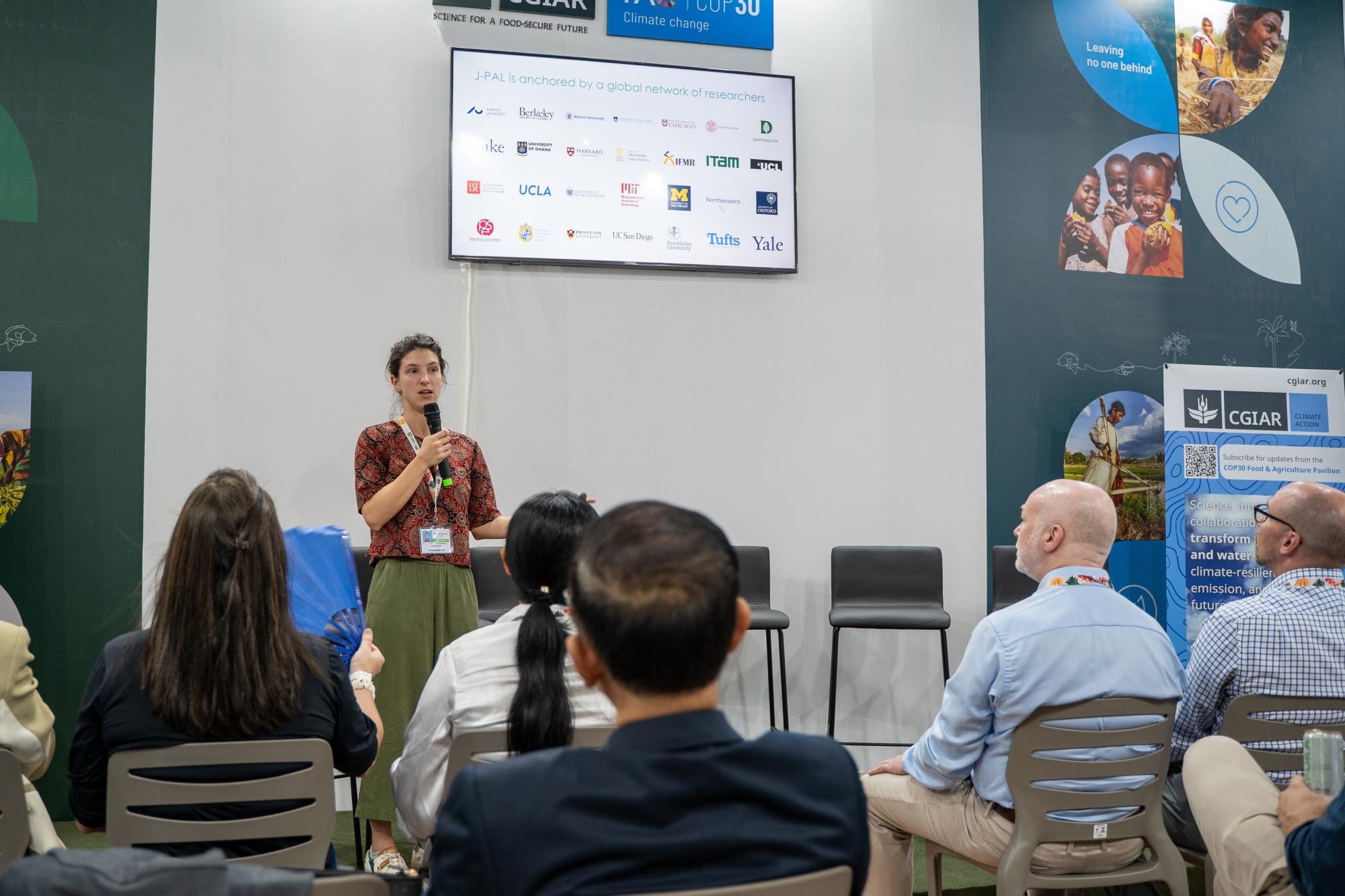
K-CAI’s research is already shaping conversations in major policy forums. In the coming years, its influence will only grow as more results become public and projects continue to scale. This year, at Climate Week in New York, MIT‘s Climate Project featured K-CAI in a showcase alongside other leading labs in climate innovations.
At COP30 in Belém, Brazil, K-CAI research was featured in a session on investible science-backed scale-ups by the COP30 advisory group on food systems transformation, in discussions at COP’s Science Pavilion and in a panel event at Tanzania’s pavilion on supporting women smallholder farmers. Read more about K-CAI at COP30.
The next five years: Deepening impact, expanding reach
Building on K-CAI’s successes over the past five years, we are now aiming to launch our most ambitious climate and poverty agenda yet, informing the scale-up of effective and equitable climate solutions.
This next chapter will push into bold new frontiers by diving deeper to draw out connections between climate, health, and agriculture; advancing nature-based solutions; and building sustainable growth and supply chains. The goal is clear and urgent—turn evidence into action at a scale that transforms lives and the planet.
If you're interested in learning more, reach out to us at [email protected].
Lead photo credit: Shutterstock.com