


Our Scope of Work
Explore how the Egypt Impact Lab drives data-informed development by generating evidence, building government capacity, and strengthening Egypt’s knowledge ecosystem.
Pillar 1: Generating evidence on priority themes
The EIL collaborates closely with strategic partners to identify their key priorities and leverage existing evidence-based insights to inform innovative program designs that align with their development objectives. The EIL team further engages with implementers to ensure program alignment with the evaluated interventions and collaborates with policymakers to integrate research findings into future policy decisions, facilitating the scaling up of effective programs. To learn more
Pillar 2: Building the government’s capacity to use evidence
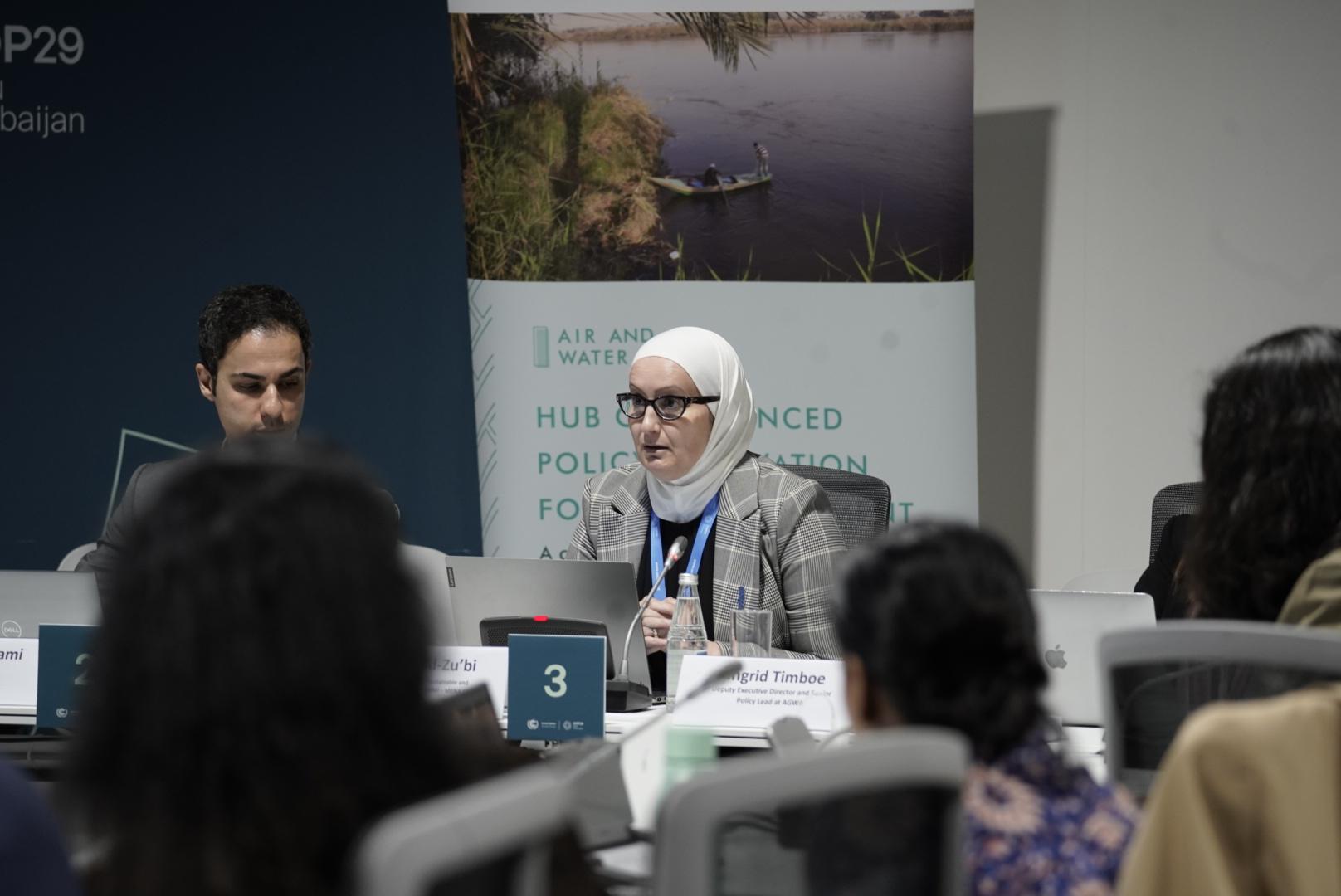
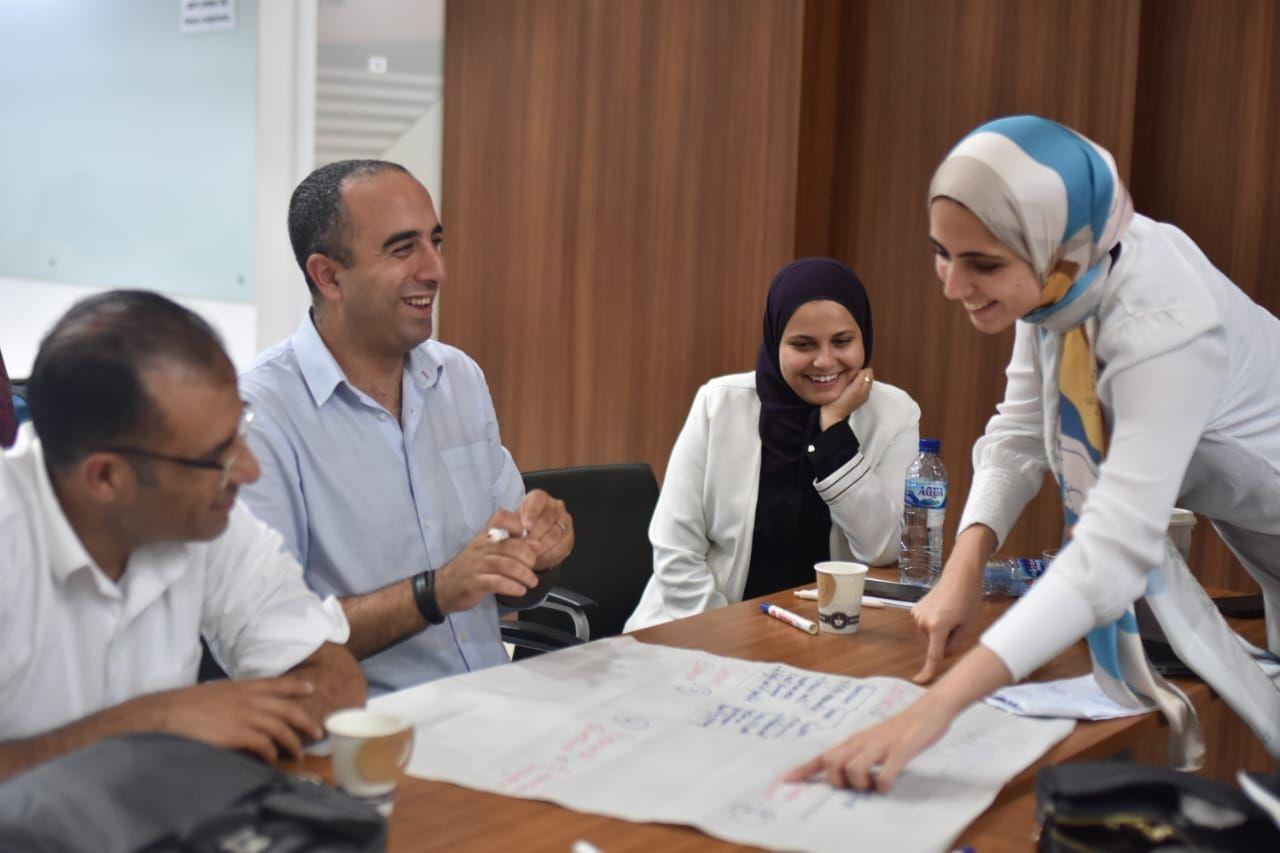
The EIL supports the government in becoming a more substantial producer and user of evidence to inform policy and improve lives. Through tailored capacity-building programs, we work with policymakers, practitioners, researchers, and monitoring and evaluation (M&E) professionals to strengthen their ability to engage with and apply rigorous evidence, particularly from randomized evaluations. To learn more
Pillar 3: Strengthening local knowledge ecosystems to enable policy influence
South-South knowledge exchange trip
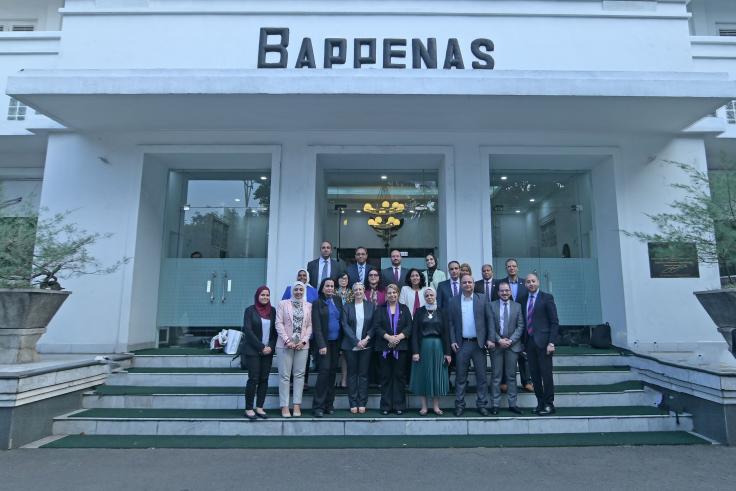
The South-South Learning Journey brought together policymakers from Egypt and Indonesia in Jakarta for a five-day exchange organized by the Egypt Impact Lab under J-PAL MENA, in collaboration with J-PAL SEA, J-PAL Global, and with support from the Islamic Development Bank and Community Jameel. This initiative provided a vital platform for sharing best practices, fostering innovation, and deepening collaboration between governments and researchers to strengthen social protection systems. Key discussions focused on leveraging digital self-targeting platforms, utilizing administrative data to enhance program design and evaluation, and refining strategies for more effective cash transfers, social, and health insurance subsidies. A central takeaway was the critical role of embedded research labs, such as the Egypt Impact Lab, in enabling adaptive, data-driven policymaking that is better aligned with citizens’ needs.

Knowledge Exchange Webinar Series
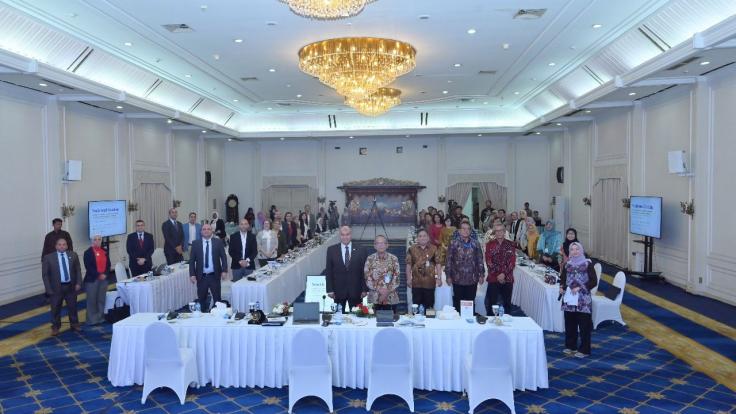
In parallel, the Egypt Impact Lab launched the Knowledge Exchange Webinar Series – Bridging Health Systems, in partnership with the UHIA and the World Health Organization (WHO) in Egypt. This series promotes government-to-government learning and practical policy dialogue around Universal Health Coverage (UHC). Each webinar convenes local and international experts to share technical insights and real-world experiences on critical health insurance topics such as benefit package design, primary healthcare contracting, and informal sector inclusion. By fostering peer learning and highlighting actionable lessons from countries like Chile, Indonesia, and Thailand, the series contributes to building a more robust and evidence-informed health system in Egypt.
Administrative data
Through J-PAL’s Innovations in Data and Experiments for Action Initiative (IDEA), EIL helps strategic government partners organize and analyze existing data; develop data dashboards and visualization tools; strengthen monitoring and evaluation; and partner with researchers to use this data to design, evaluate, and scale innovative programs, by hosting Data Incubators, which support data analysis pilot projects and evaluations using administrative data.
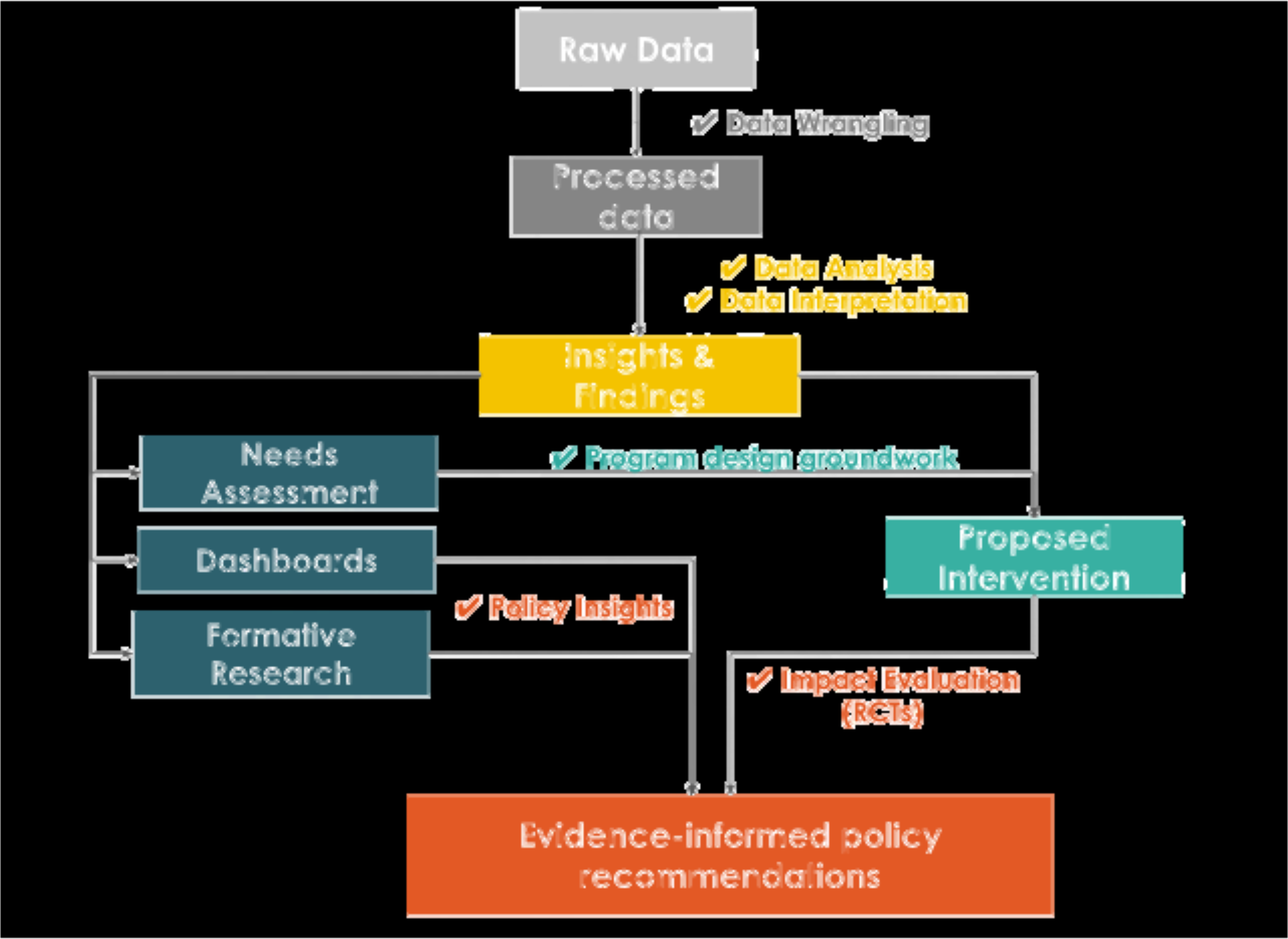
In light of EIL's commitment to build the ecosystem of evaluation and evidence-based decision-making, EIL has made positive strides to leverage the data housed in the Ministry of Planning and Economic Development, the Ministry of Internal Supply, the Ministry of Social Solidarity, and the Ministry of Education and Technical Education.
Notable examples include the investment plan data, the birth and death registry, the Hayah Karima Water, Sanitation, and Hydration (WASH) intervention data, and the recently published Multidimensional Poverty Index (MPI). Affirming the direction of these efforts, the team was asked to conduct a thorough internal audit of the new website for the Central Agency for Public Mobilization and Statistics (CAPMAS) ahead of its launch to the public, offering targeted feedback to enhance data accessibility and usability.
EIL activities on this front ensure regular reporting of findings and gaps to partners, ensuring unified progression to become better users and producers of data. This loop feeding back into the system is designed to help move the needle towards evidence-based governance.
Join us in shaping a future driven by informed, evidence-based policies
Whether you're a policymaker, practitioner, researcher, or data enthusiast, explore how you can collaborate with the Egypt Impact Lab to generate insights, build capacity, and inform policy.
👉 Get involved with EIL today: