Education
In 2025, J-WEL became part of J-PAL after ten successful years as an independent lab at MIT working with educational innovators around the world to transform education at scale. In addition to supporting our education research and policy work, J-WEL supports our evidence-to-policy partnerships with governments; the MENA Scholars Fellowship; the Alliance for Data, Evaluation, and Policy Training, and the Project AI Evidence.
J-PAL's Education sector supports policymakers in applying evidence from randomized evaluations to their work. Sector chairs and staff also write policy insights that synthesize general lessons emerging from the research, condense results from evaluations in policy publications and evaluation summaries, and fund new research through the Learning for All Initiative.
Past education sector initiatives include the Post Primary Education Initiative and the Foundations of Learning Initiative.
Blog
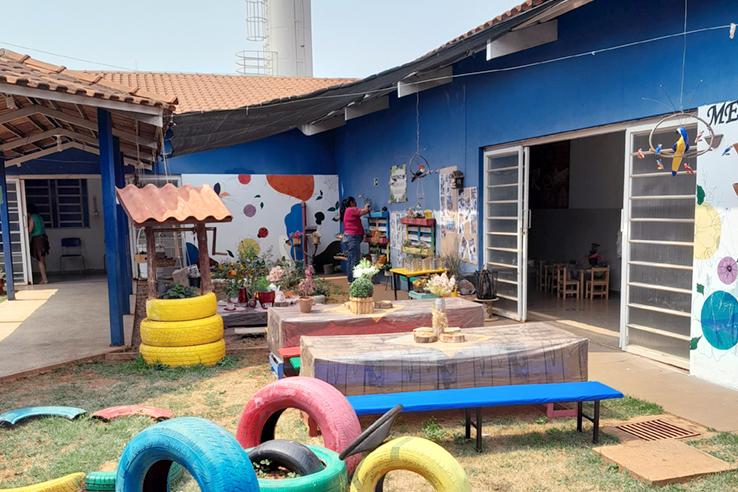
Quality early childhood education: The role of teacher training
With nearly all Brazilian children aged 4 and 5 now enrolled in preschool, new questions are emerging about how to ensure quality in this stage of education. According to Brazil’s National Institute for Educational Studies and Research, 93 percent of children in this age group attend preschool...
Blog
Setting an early foundation for children’s learning: using insights from cost-effectiveness analysis to inform decisions
Ensuring children have strong basic skills in reading, writing, and mathematics – together known as foundational literacy and numeracy – is considered critical for their future academic success and later life outcomes. While research has generated insights on what works for improving literacy and...
Case study
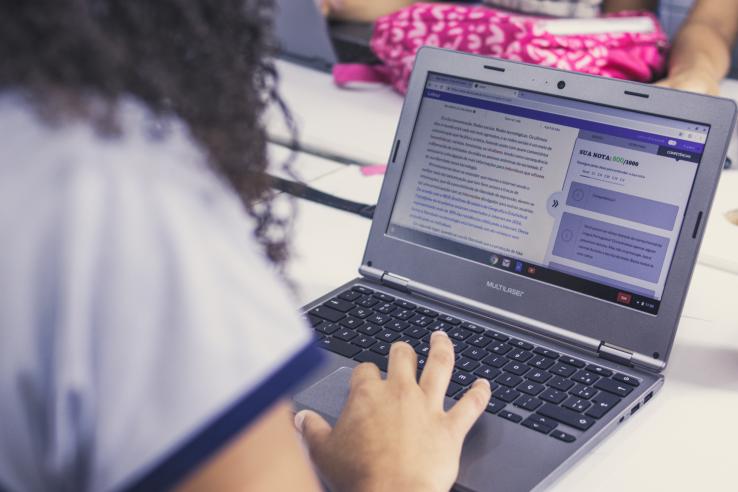
Artificial intelligence to strengthen high school students’ writing skills
The state government of Espírito Santo, Brazil applied research findings to scale an AI education technology that gives public school students feedback on their writing, reaching more than 100,000 high school seniors to date.
Evaluation
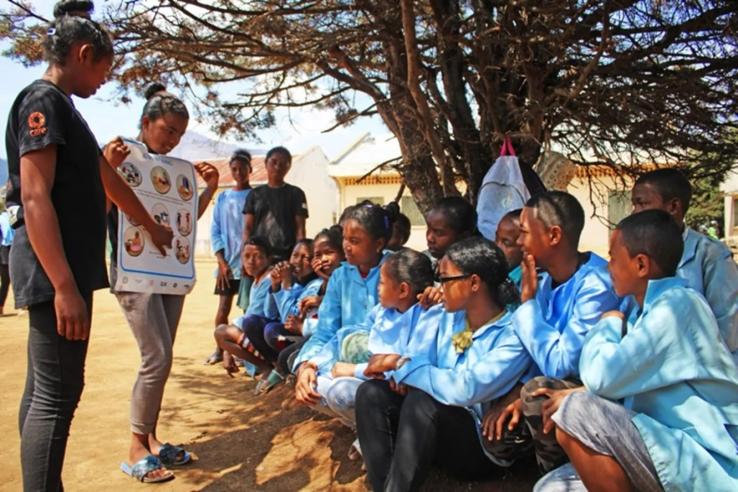
Addressing Menstrual Stigma and Hygiene to Improve Education and Psychosocial Well-Being among Adolescent Girls in Madagascar
Researchers evaluated the impact of a program addressing constraints related to hygiene infrastructure and access to sanitary products while addressing social stigma around menstruation, on girls’ learning and psychosocial well-being in Madagascar. The program led to improvements in academic...
Evaluation
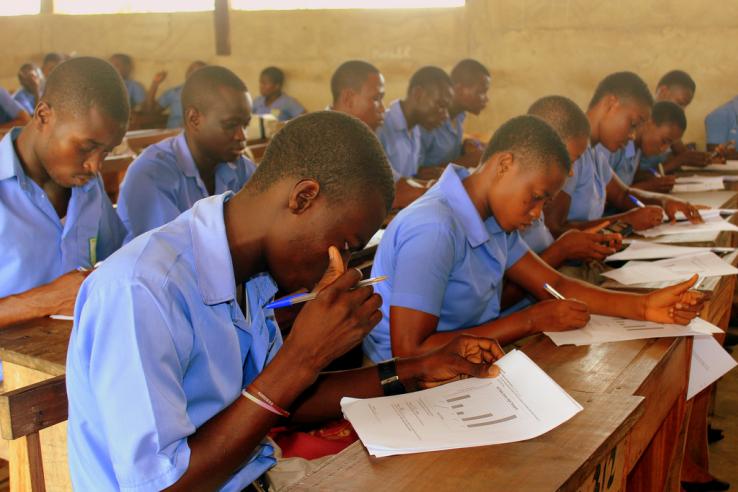
Multigenerational Benefits to Secondary Schooling in Ghana
A study conducted in Ghana over 15 years evaluated the benefits of secondary school scholarships on both education and health outcomes.
Policy insight
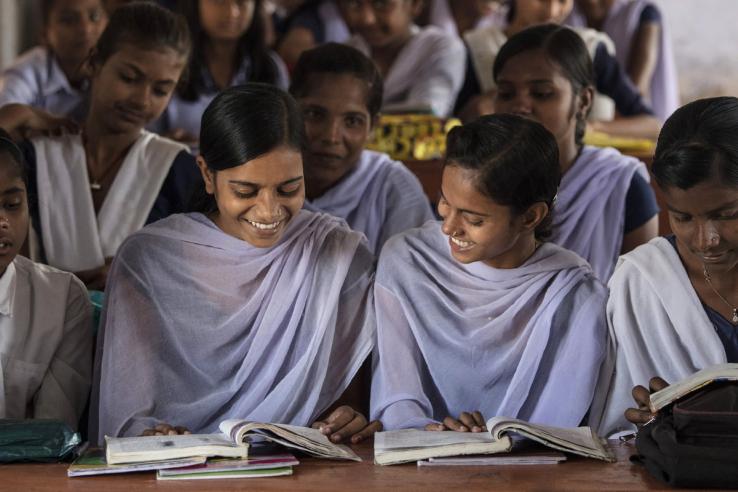
Improving student learning: Impacts by gender
Most programs to improve student learning have similar impacts on girls and boys. However, policymakers should consider potential different effects by gender while designing programs since, in some cases, program design choices led to different impacts on girls and boys.
Case study
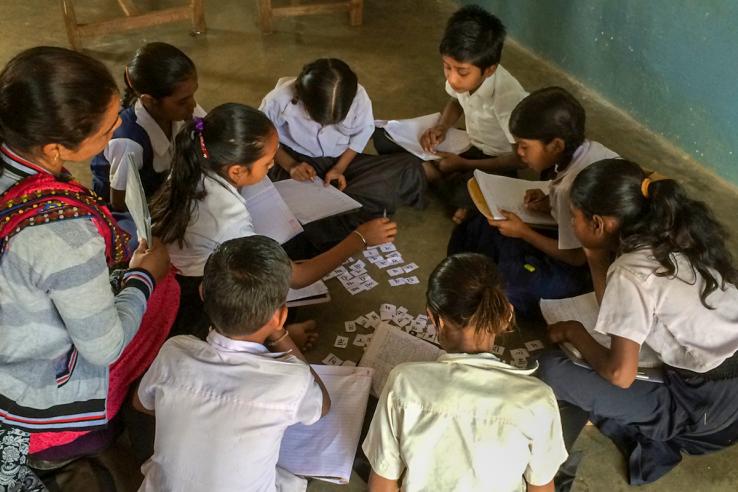
Teaching at the Right Level to improve learning
Reorienting instruction has improved learning opportunities for over 60 million students in India and Africa.
File: Policy publication
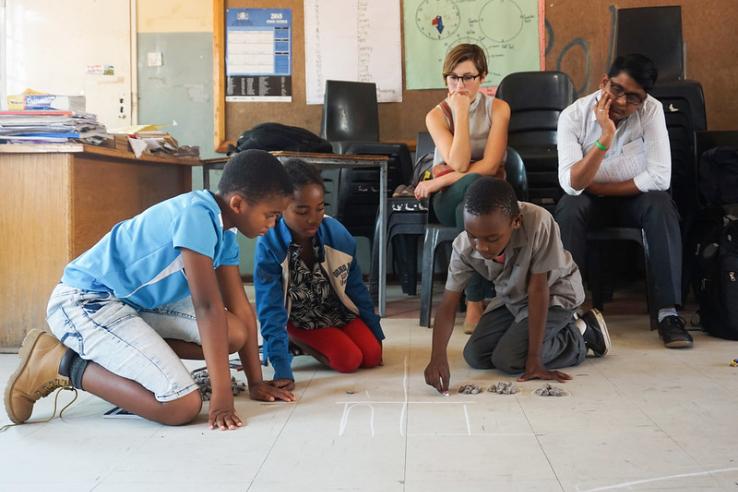
Measurement of Holistic Skills in RCTs: Review and Guidelines
J-PAL recently launched its Learning for All Initiative, which has a core focus on breadth of skills. There is much to learn about whether and how interventions can affect skills that extend beyond literacy and numeracy, including cognitive skills, social skills, emotional skills, creative skills...