

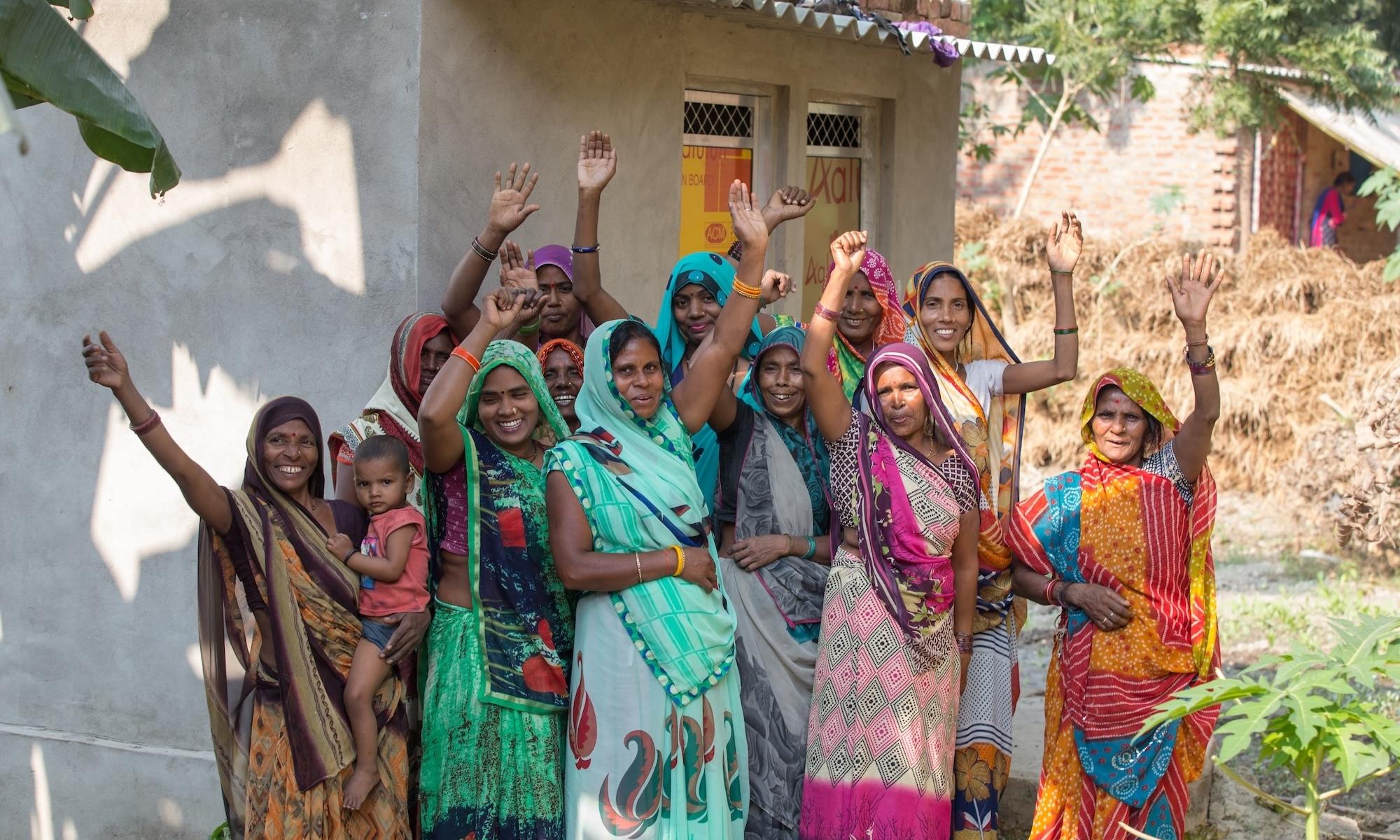
Our mission is to reduce global poverty
by ensuring that policy is informed by scientific evidence.
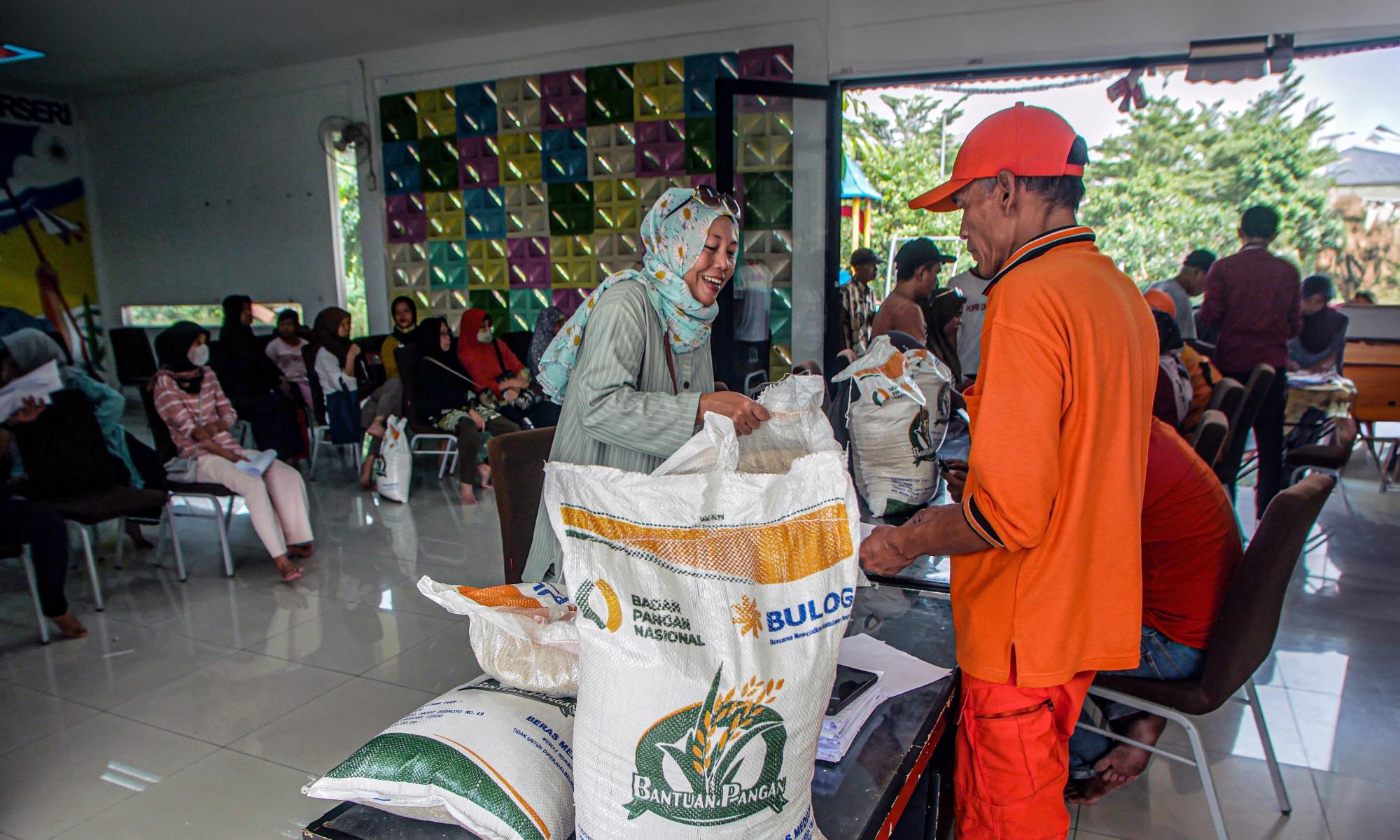
Improving lives through evidence
We've reached 850 million people by scaling what works and partnering with decision-makers to put evidence into action.
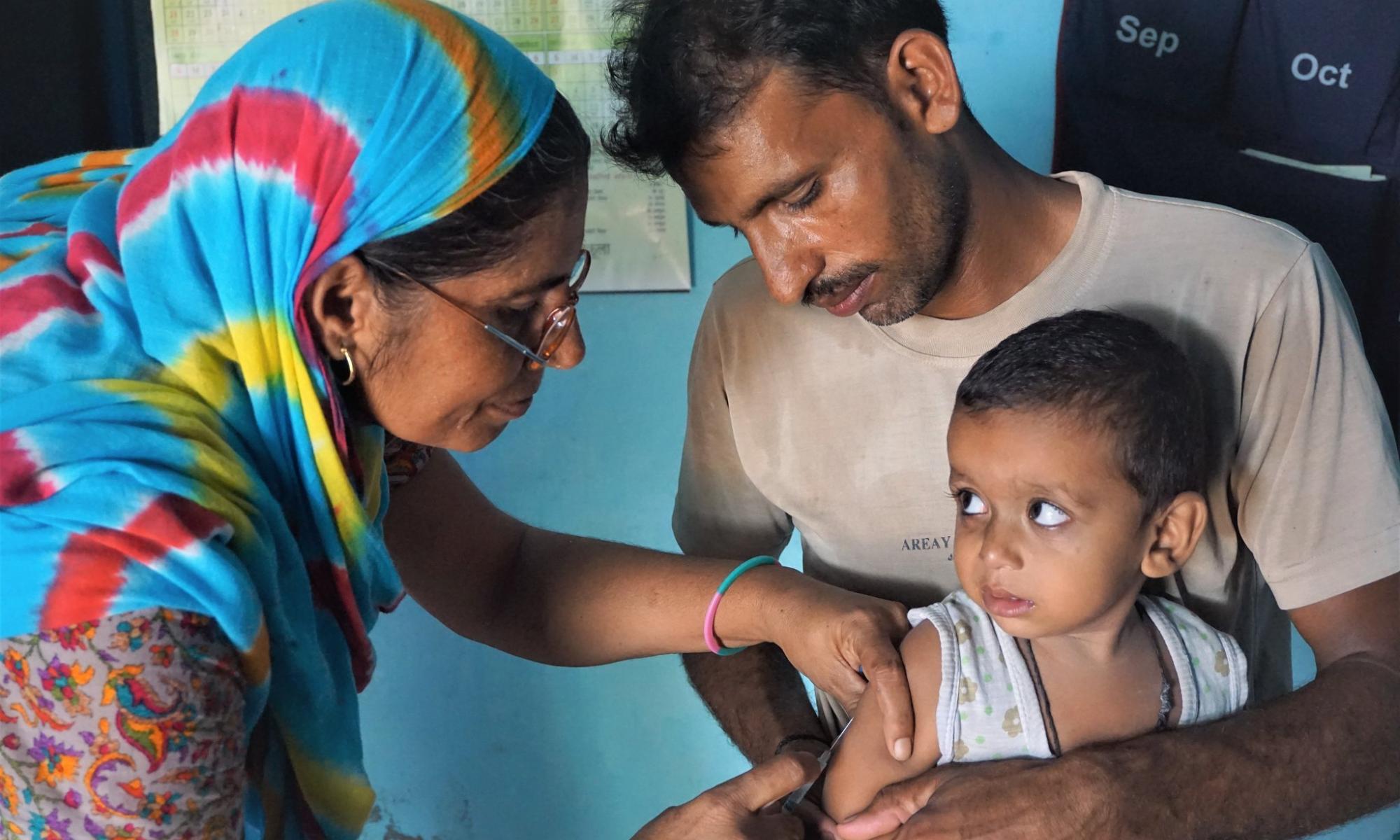
The Evidence Effect
Budgets are shrinking and inequality is growing—but smart investments can still do more for people experiencing poverty.
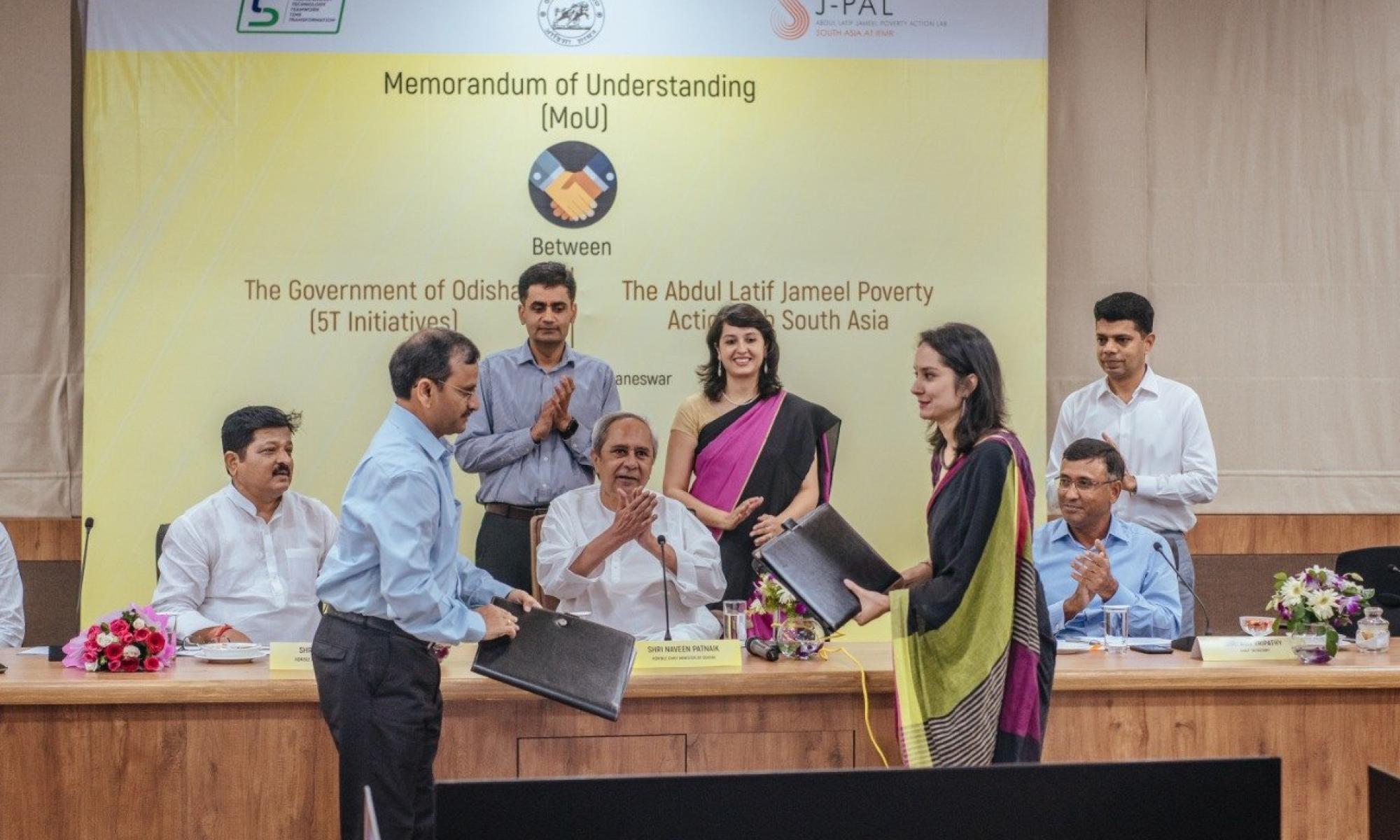
Evidence to Policy
We work with governments, funders, and organizations worldwide to maximize their reach and impact.
Our three core pillars for long-term change
We generate evidence, use it to inform policy, and train policymakers and practitioners to do the same.
Research
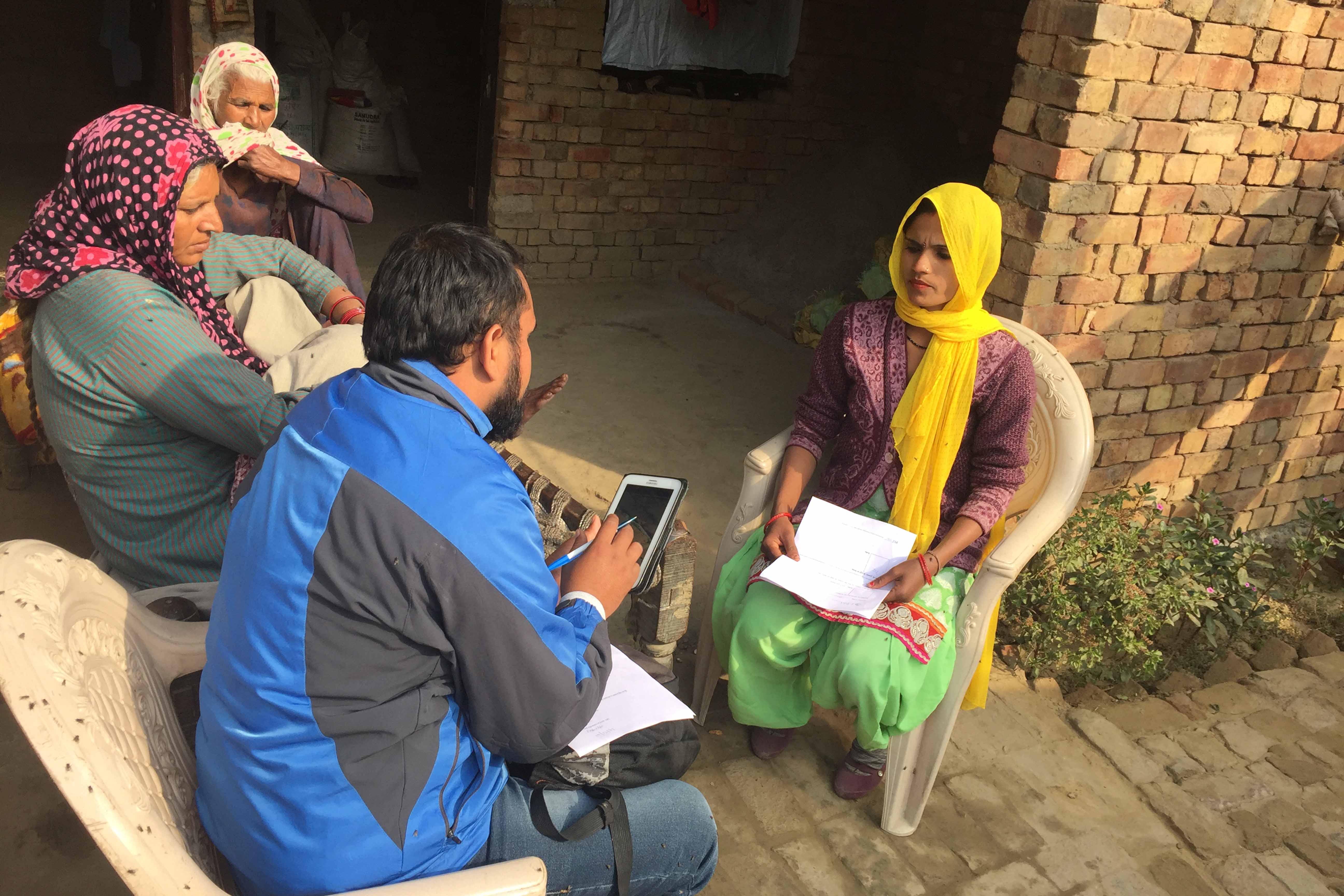
Working with a global network of researchers and policy partners, we use randomized evaluations to test and improve program effectiveness, then translate findings into actionable policy insights and resources for the wider policy community.

Policy and Scaling
We work directly with governments, NGOs, and decision-makers to put evidence into practice. Together, we adapt programs to new contexts, scale up programs from local communities to national levels, and embed our staff within governments to help shape policies with real solutions.

Education and Training
We equip practitioners and policymakers with the tools to understand randomized impact evaluation methods and use evidence from impact evaluations to improve social programs. We also offer online courses and in-person training programs.
From research to impact
Globally informed, locally grounded
Our offices are based at leading universities in Brazil, Chile, Egypt, France, India, Indonesia, Morocco, South Africa, and the United States. Explore the maps below to see the reach of our research and policy partnerships.
Over 850 million people have been reached by programs and policies that have been informed by evaluations by J-PAL affiliated researchers. Many more have benefitted from the several broader ways evidence can inform policy.
J-PAL researchers have led more than 2,700 randomized evaluations across a diverse range of topics, from clean water to microfinance to crime prevention. The research group at J-PAL helps create the infrastructure necessary to support our affiliates’ research around the world.
J-PAL Global is our head office and coordinates J-PAL’s work worldwide. It was established at the Massachusetts Institute of Technology. Our network of regional offices are hosted at leading universities in Africa, Europe, Latin America and the Caribbean, the Middle East and North Africa, North America, South Asia, and Southeast Asia.
Ideas in action
See how insights from the J-PAL network are informing policy and improving the lives of people around the world.

Leveraging mobile phones for learning
Mobile phones are a scalable, low-cost platform to improve learning by engaging students, teachers, and parents in hard-to-reach settings.
AI Evidence Playbook
The AI Evidence Playbook is designed to be a practical reference for policymakers, practitioners, and donors investing in or developing AI-enabled programs.

Help desks to improve women's access to justice
In India, the state of Madhya Pradesh scaled women’s help desks to 950 police stations statewide, making it easier for women to register crimes.
Partner with us
If you're interested in partnering with us, whether it's to develop a customized training program, implement an evidence-based initiative, conduct a randomized evaluation, or explore other collaboration opportunities, we want to hear from you.