Lecciones de la Evidencia

¿Qué hemos aprendido de las evaluaciones aleatorizadas que los hacedores de política pública, los tomadores de decisiones y los donantes puedan usar para mejorar los programas sociales? Las Lecciones de la Evidencia de J-PAL están organizadas por sector y resaltan los aprendizajes que surgen en múltiples estudios y los mecanismos que ayudan a explicar los resultados encontrados.

Los Directores de cada Sector y el staff de J-PAL resumen estas lecciones a partir de evaluaciones aleatorizadas relevantes y las actualizan constantemente incorporando los hallazgos de la literatura más reciente. Cada lección resume la evidencia sobre un tema específico, ofreciendo enlaces a los artículos de investigación y a los resúmenes de las evaluaciones. Para más información sobre cómo desarrollamos nuestras Lecciones de la Evidencia, puedes leer esta entrada en nuestro blog.

Esperamos que estas Lecciones, al combinarse con un entendimiento detallado del contexto local y de la implementación del programa, puedan ser herramientas prácticas para el diseño de políticas y programas informados por evidencia. Para ver ejemplos de cómo las Lecciones de la Evidencia han informado las políticas públicas, visita nuestra página De la Evidencia a la Acción

A young boy squats in road engaging with a mobile phone

Leveraging Mobile Phones for Learning

Last updated:
Mobile phones are a scalable, low-cost platform to improve learning by engaging students, teachers, and parents in hard-to-reach settings.
Classroom in Turkey.

Teaching Socioemotional Skills for a Safe and Supportive School Environment

Last updated:
Teaching children socioemotional skills reduces bullying and peer violence in schools by helping students manage emotions, build empathy, and resolve conflicts peacefully. Programs can be particularly effective when teachers use inclusive teaching practices and parents model empathy and positive...
Tropical deforestation remote sensing satellite image

Cash for conservation: Climate action on a budget

Last updated:
Payments for Ecosystem Services can protect nature, reduce carbon emissions, and decrease local pollution at a low cost. But success depends on getting the scheme right—changing key aspects of program design can make them even more cost-effective.
Women processing fruit in baskets

Can relaxing credit constraints boost farmers' profits?

Last updated:
Credit and grants ease farmers’ financial pressures, allowing them to invest in their farms, but on their own, these tools rarely boost farmers’ profits. Integrating credit or grants into bundled input programs enables farmers to take part in programs that address multiple barriers simultaneously...
Woman making digital financial service transaction

Digital financial services to improve formalized access and inclusion

Last updated:
Digital financial services have dramatically improved access to formal accounts, especially for low-income households and rural populations. Increased access to digital services has reduced remittance transaction costs, which has helped households share financial burdens and improve resilience.
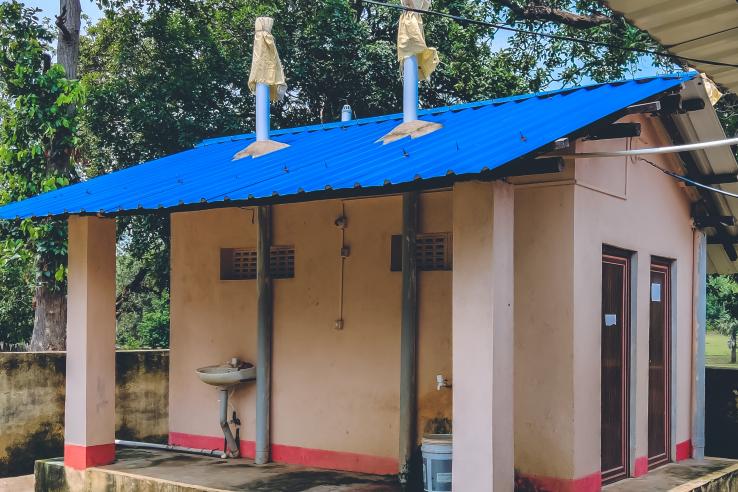
Small rural community toilet block surrounded by greenery

Improving sanitation access with subsidies, loans, and community-led programs

Last updated:
Programs involving community behavior-change campaigns and subsidies to boost toilet construction can improve people’s access to and use of improved sanitation facilities. However, evidence on the downstream health impacts of common sanitation programs in low- and middle-income countries has been...
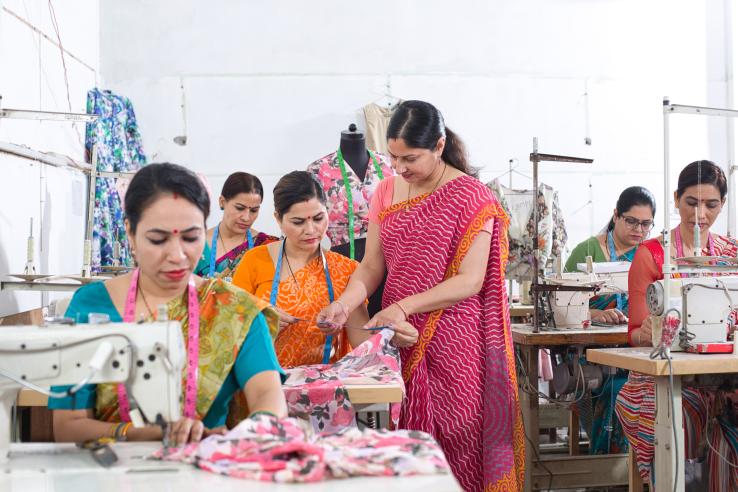
Woman textile worker checking garment stock at factory

Workplace interventions to improve worker well-being

Last updated:
Firm-level interventions aimed at improving the well-being of workers have led to safer workplaces, greater worker health, higher job satisfaction, and lower turnover. In some cases, these programs also increased workers’ productivity, which benefited their employers.
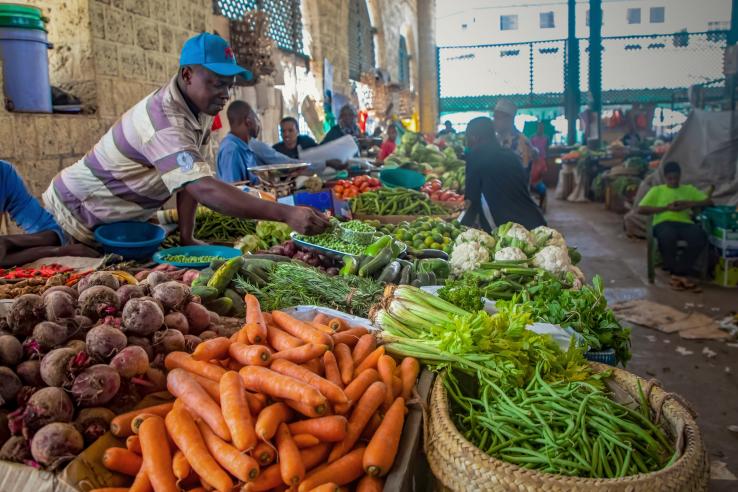
Farmer selling produce at market

Increasing small-scale farmers’ access to agricultural markets

Last updated:
Farmers in low- and middle-income countries face challenges accessing markets and earning profits on their agricultural goods. When small-scale farmers have better access to both markets where they buy inputs for their own farming and markets where they sell their goods, they can often invest more...