Building Connections to Nature: A Photo Story from French Primary Schools
Authors: Zahra Boudalaoui-Buresi (J-PAL Europe), Quentin Daviot (Eval-Lab), Thomas Escande (Eval-Lab), Mariajose Silva-Vargas (J-PAL Europe & LISER)
Photographs: ©Mariajose Silva-Vargas
Schools are essential in helping children understand challenges such as climate change while nurturing a positive relationship with nature. Pedagogical gardens offer a practical way for pupils to learn through direct contact with soil, plants, and insects, yet their impact has rarely been studied rigorously. This photo story documents a large-scale evaluation of a WWF France programme, exploring how school gardens shape children’s connection to nature and how this work unfolds in classrooms and schoolyards.
Introduction
At a time when fighting climate change and biodiversity loss are among the most urgent collective challenges, children have a pivotal role to play - both by influencing their families and communities today, and as the decision-makers of tomorrow. Schools face a dual responsibility: helping children understand environmental issues while fostering a healthy, positive relationship with nature.
Pedagogical gardens offer ready-made spaces where children can learn about nature, role-play as gardeners, and interact directly with soil, plants, and insects, making them a promising way for schools to meet this dual goal. Despite their growing popularity, few rigorous scientific studies have examined the role of these educational gardens in promoting environmental learning and fostering students’ connection to nature. To fill this gap, WWF France commissioned a large-scale randomised evaluation to assess the impact of school gardens. The research organisation Eval-Lab was selected to lead the evaluation, with support from a wide range of partners, including J-PAL Europe through the Innovation, Data and Experiments in Education (IDEE) programme. Preliminary results show that increased exposure to garden-based activities improves children’s connection to nature and ecological awareness, with particularly strong benefits for pupils in priority education networks, where access to green spaces is often more limited.
Looking behind the scenes, we uncover a partnership that brings together educators, evaluation practitioners, and researchers to generate actionable evidence at the intersection of education, climate change, and sustainability. Through a camera lens, we get a closer look at how this research effectively translates in classrooms and playgrounds.
Why this study matters
Over the past two centuries, humanity’s connection to nature has steadily eroded - both physically and psychologically - through rapid urbanisation and the decline of everyday contact with wildlife. This disconnection is associated with poorer mental health and a weaker willingness to engage in environmental action. In contrast, research shows that early and repeated encounters with nature can help children form lasting bonds with the natural world (Eval-lab and WWF, 2025).
As Esther Duflo and other researchers and practitioners have highlighted, children must be involved in the fight against climate change, and how we frame these issues for them matters. Educational programmes that focus only on risks and catastrophic scenarios can increase eco-anxiety without necessarily changing behaviours. The challenge is to offer forms of environmental education that are accurate and ambitious, leaving children feeling hopeful, empowered, and eager to act (Esther Duflo, Le Monde)
School gardens emerge as an ideal setting for action: a place where children can observe, experiment, and care for living things in their immediate environment. They are far from a new idea, and have a long and rich history in Europe, where they emerged in the 18th century and were once used to support public health, practical skills, and subsistence. Many gradually disappeared as schoolyards were covered in concrete. Today, however, school gardens are making a slow but steady comeback, driven by renewed concerns for children’s well-being, environmental education, and urban greening.
What do we mean by “school garden”?
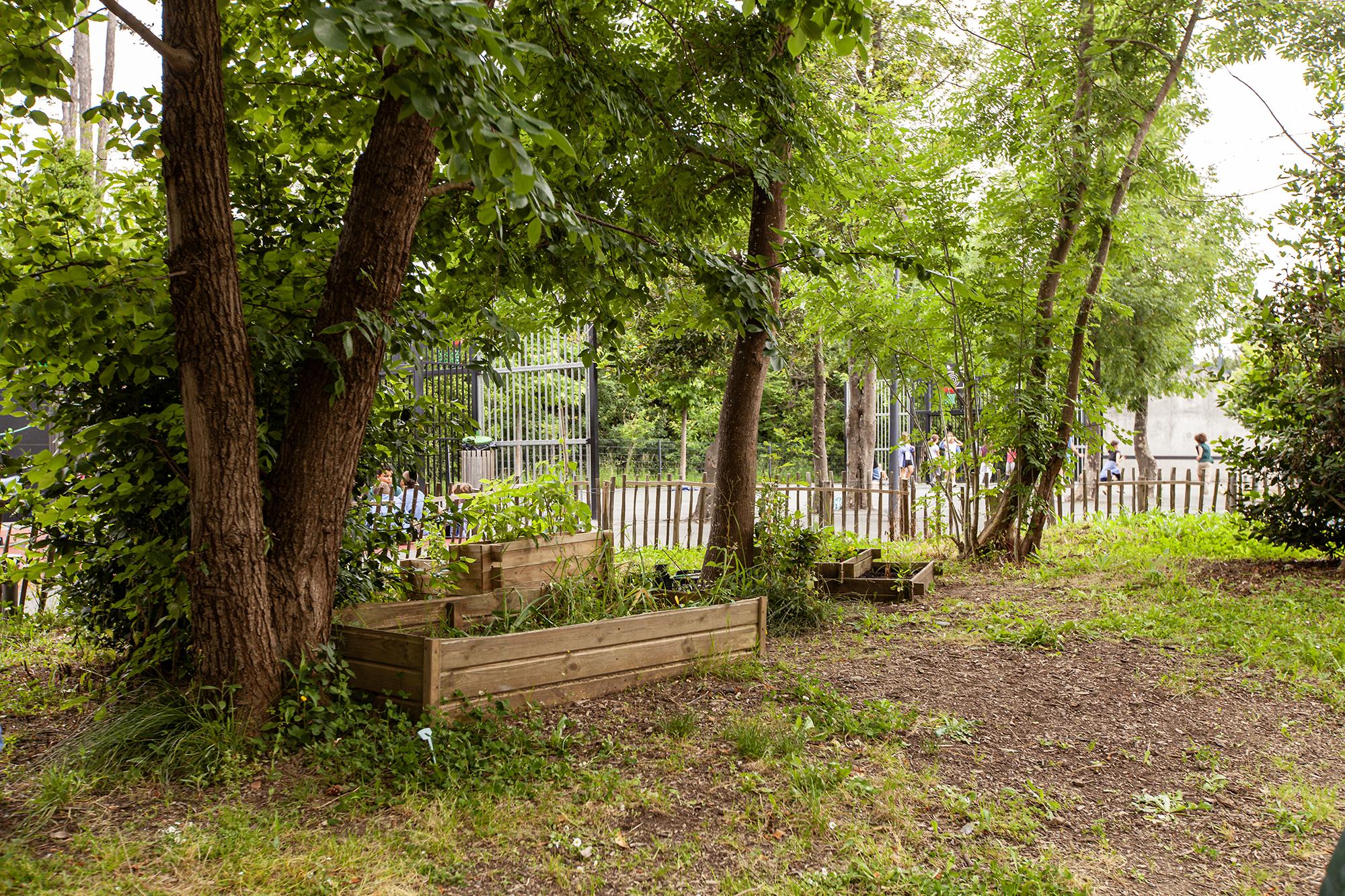
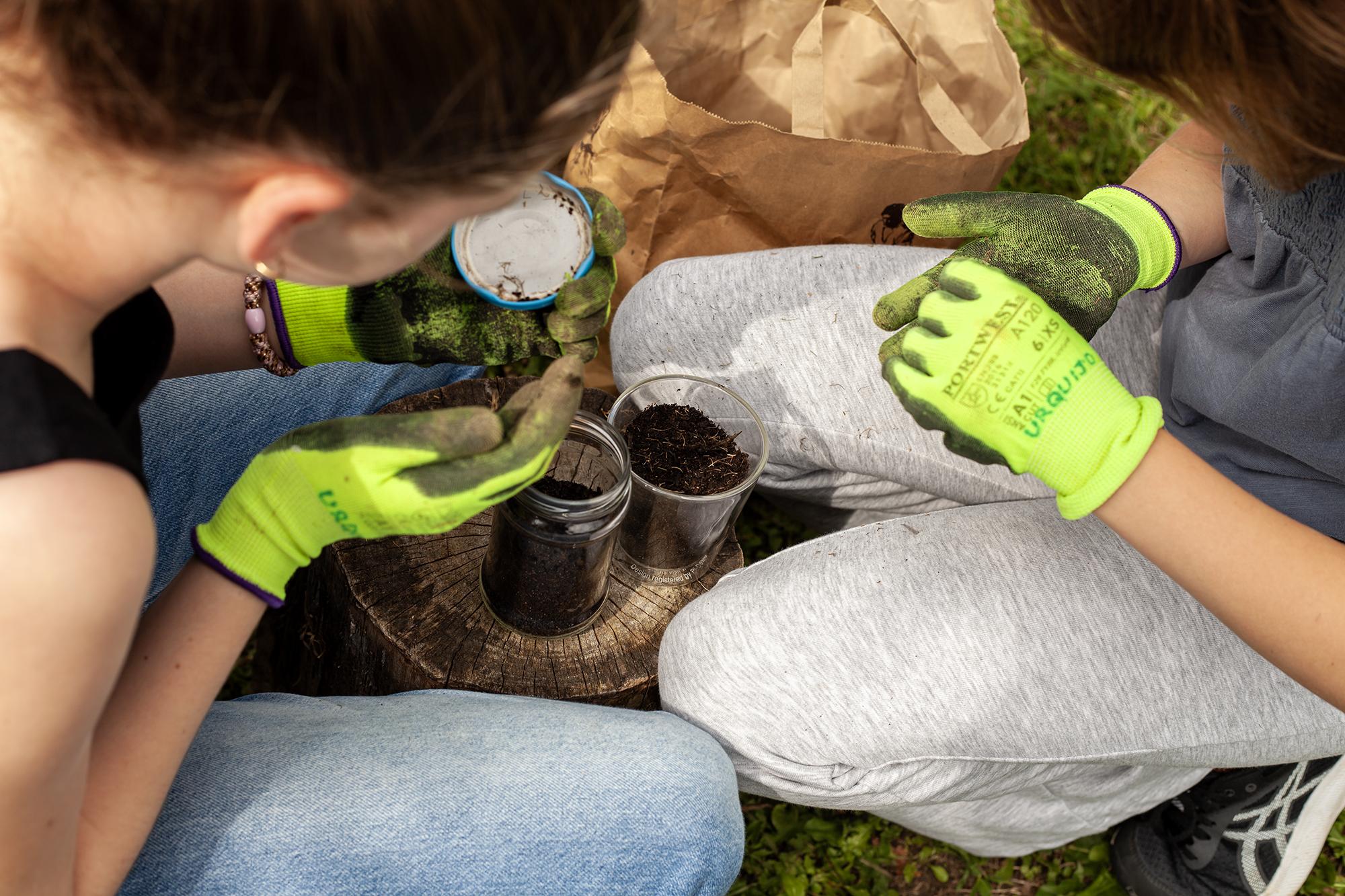
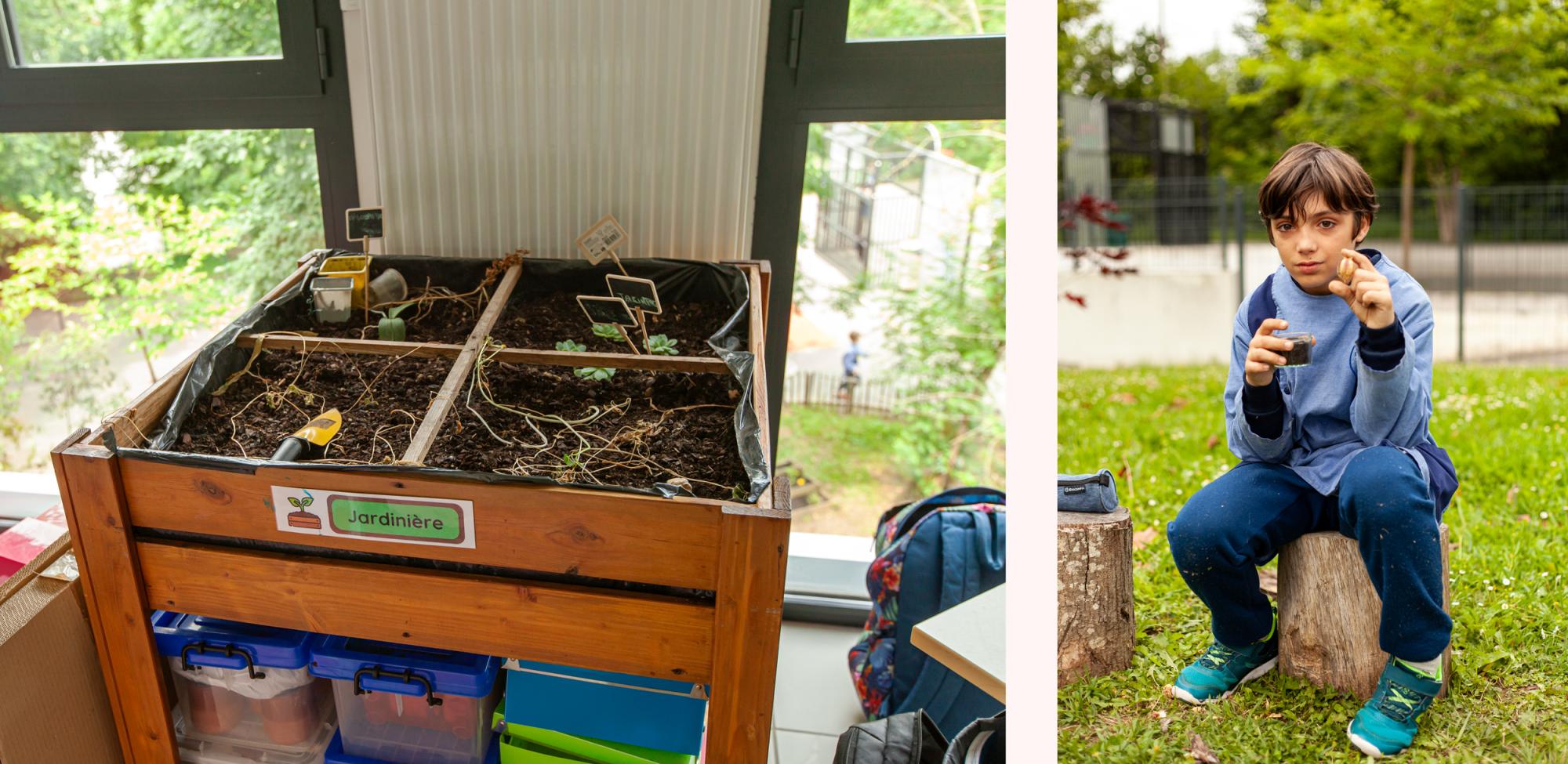
A school garden can be a fully de-paved area in the schoolyard with vegetable plots, a set of raised beds or planters, or even, in some cases, a nearby external plot that the school can access regularly. What matters is not the exact layout, but the fact that children can see plants grow, touch soil and plants, and observe insects and other living organisms over time. This flexibility makes school gardens adaptable and multimodal: they can be tailored to different budgets, spaces, and local contexts.
What the programme offers
Across France, many primary schools are now equipped with some form of garden, yet these spaces are often underused. Teachers report lacking the time, resources, and training needed to use them regularly, and describe difficulties integrating garden-based activities into an already dense curriculum. They also express concerns about classroom management outdoors and often view gardens as “seasonal” spaces, usable only in late spring or summer (Eval-Lab, 2025).
To address these challenges, WWF France and a multi-disciplinary research team co-developed L’Ecole Jardinière, a light-touch, low-cost support programme designed to help teachers make the most of their school gardens. The research team is now evaluating the programme through a large-scale randomised evaluation to better understand whether additional support and resources enable teachers to make better and more intensive use of pedagogical gardens during school time, in turn increasing students’ connection to nature and positively engaging teachers and families.
The L’Ecole Jardinière programme provides teachers with high-quality educational content aligned with the national curriculum and ready-to-use activity plans for hands-on gardening activities, both inside and outside classrooms.
It was designed to be actionable, since teachers do not need prior training in gardening or environmental education, and all materials - seeds and games - are sent directly to schools. It is also flexible, as the activities fit within the regular rhythm of school life and can be adapted to different class levels and local contexts. Finally, it is inclusive because it can be implemented even in schools without a fully developed garden.
In total, the programme includes seventeen activities delivered in four mailings over the school year. Some activities focus primarily on environmental education, such as exploring soil composition or understanding the life cycle of plants, and can take place in the classroom or outdoors. Others are specifically designed for the school garden and give pupils the chance to learn through hands-on experience.
A unique collaborative effort
Since 2023, WWF France has supported the creation of school gardens in French primary schools through L’École Jardinière and partnerships with cities and mayors to install and maintain gardens. To gain a deeper understanding of what actually works when investing in these programmes, WWF France funded a rigorous impact evaluation. They selected Eval-Lab to run a large-scale randomised evaluation, and Global Impact Metrics (GIM) to conduct a socioeconomic evaluation of school gardens.
On the research side, a multidisciplinary team was assembled, with economists, environmental psychologists, and psychologists from universities in Montpellier, Toulouse, Bordeaux, and the CNRS. A sociologist and a social psychologist carried out interviews in schools to enrich the quantitative data. J-PAL Europe, through the IDEE programme, supported the evaluation in line with its mission to promote experimental research and the use of evidence in the French education system.
The study took place in France during the 2024–2025 school year. Before the start of the school year, around 3,500 pupils and 184 teachers in 89 schools were enrolled in the study. Schools were randomly assigned either to receive the L’École Jardinière programme during the year (treatment group) or only at the end of the study (comparison group).
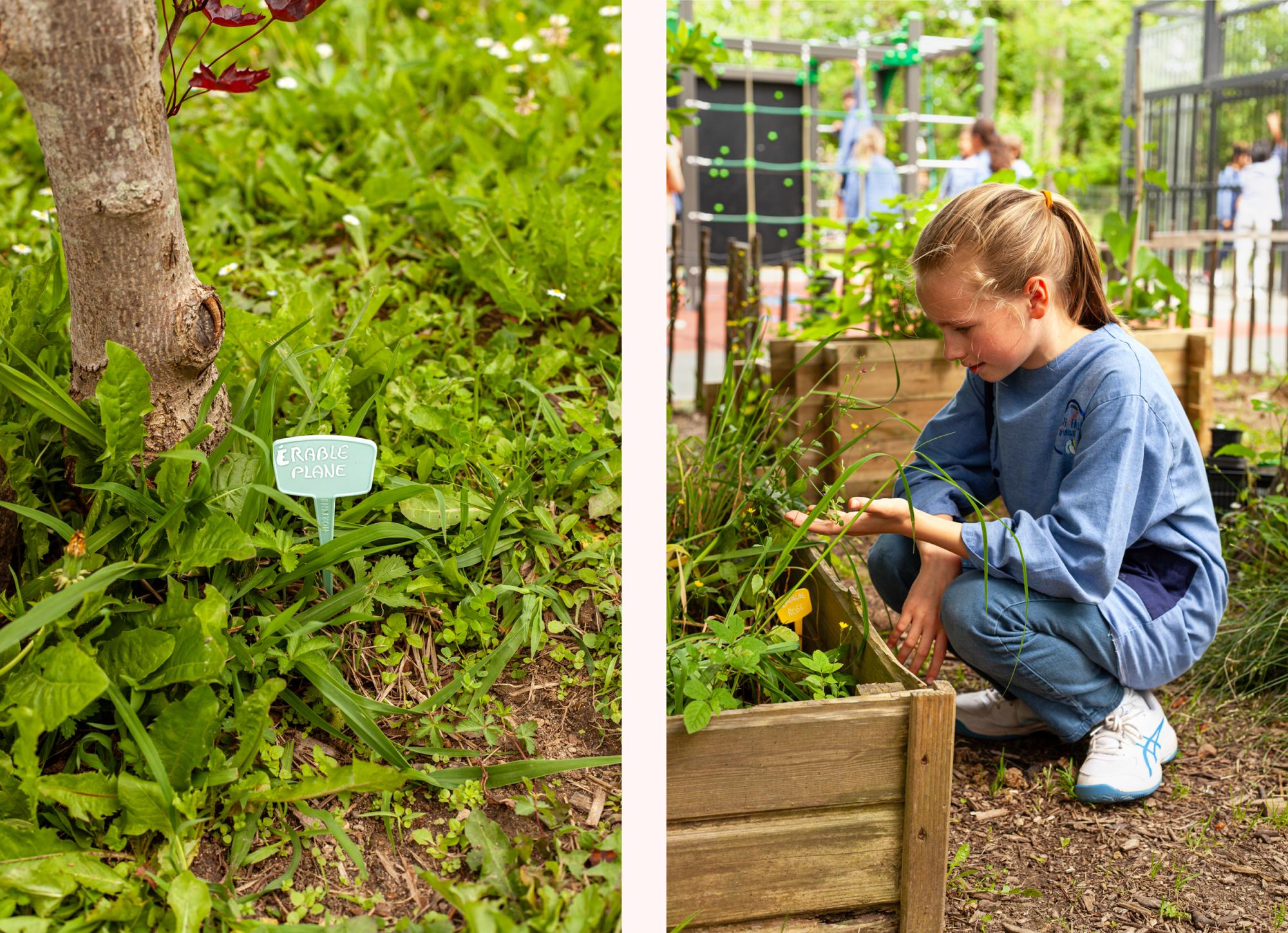
Inside classrooms and gardens
During the school year, the research team conducted semi-structured interviews with teachers. A team from Eval-Lab and J-PAL Europe in June 2025 visited a subset of schools receiving the programme to observe how the materials were used in practice.
Teachers highlighted how the programme helped them structure their sessions and save time in preparation:

"I saved time. I had ready-made lesson plans, which made a real difference and allowed me to set things up properly."
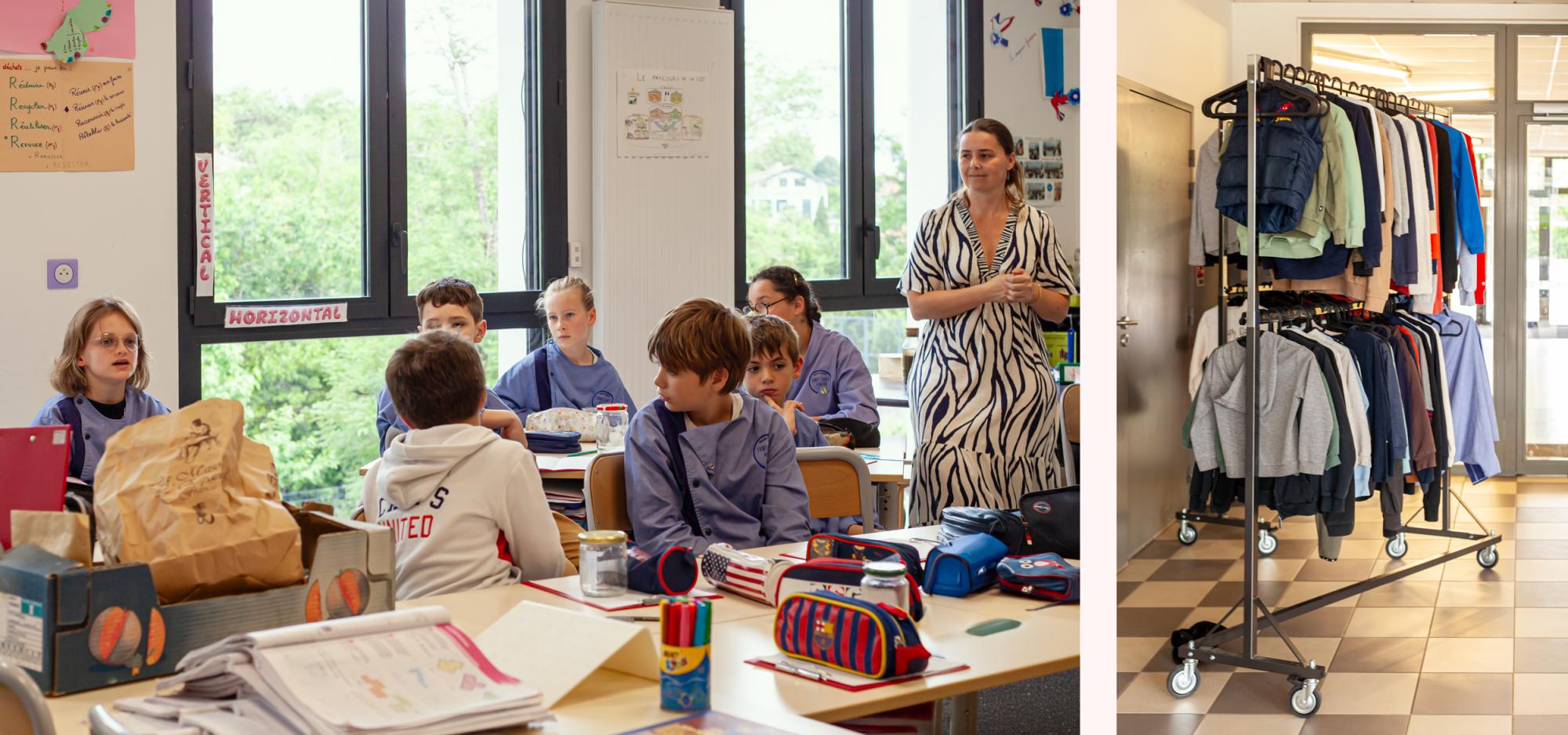
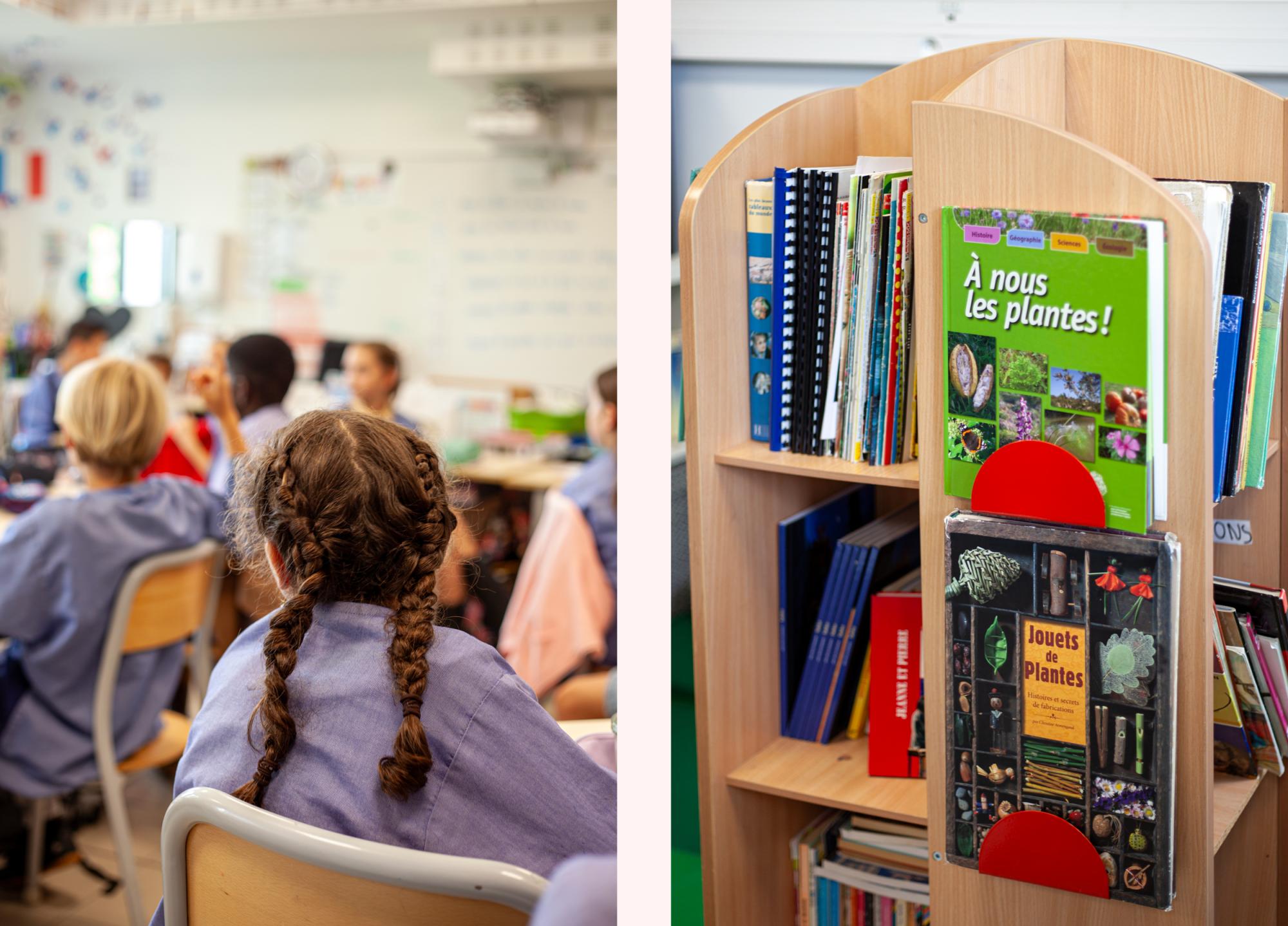
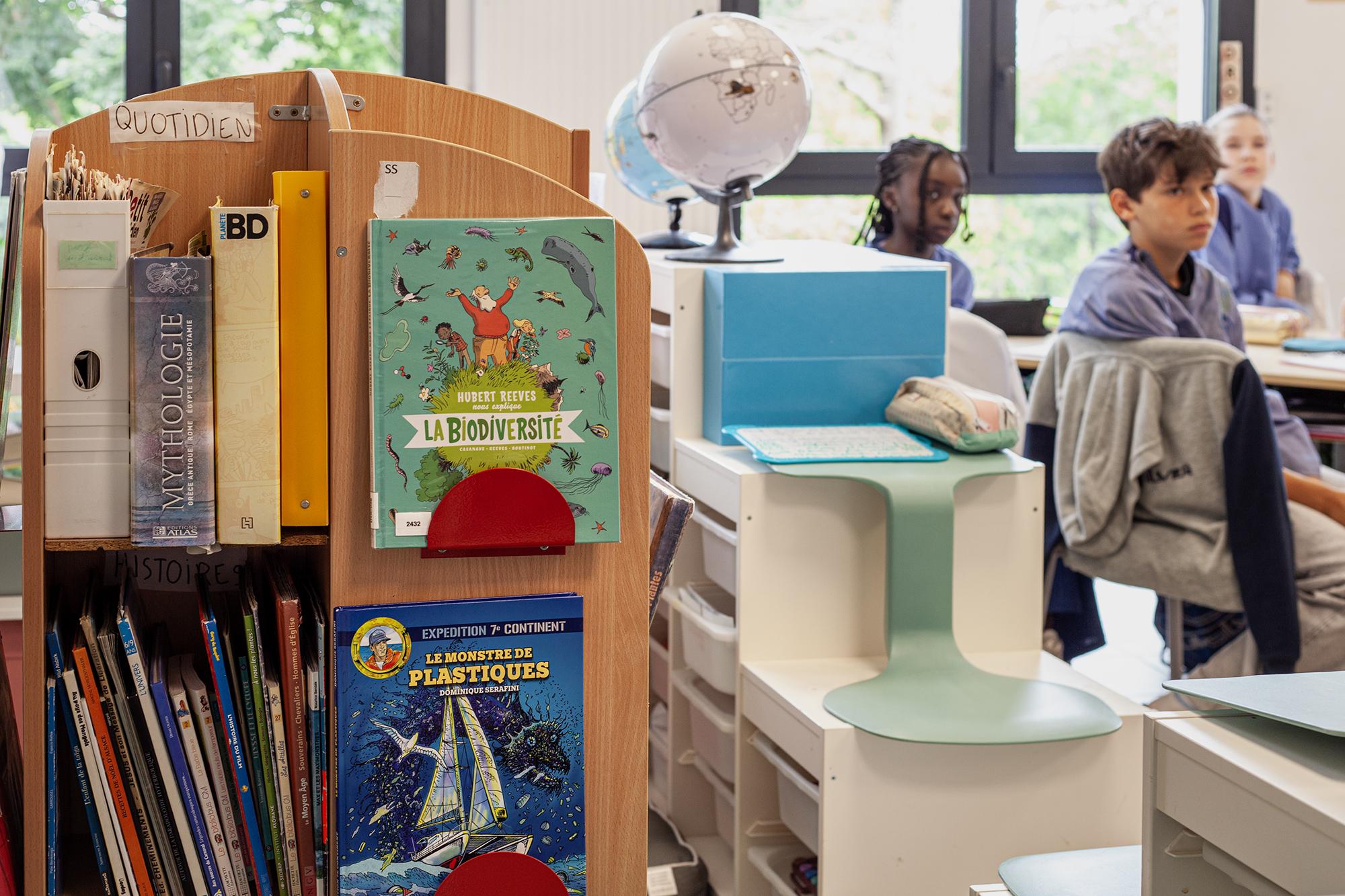
In a classroom in Saint-Jean-de-Luz, on the French Atlantic coast, teachers connected the sessions to their local environment, weaving themes related to the sea and coastal ecosystems into their teaching. The classroom displayed books and posters about marine ecosystems and coastal environments, reflecting the students’ familiarity with the ocean and its importance in their everyday learning.
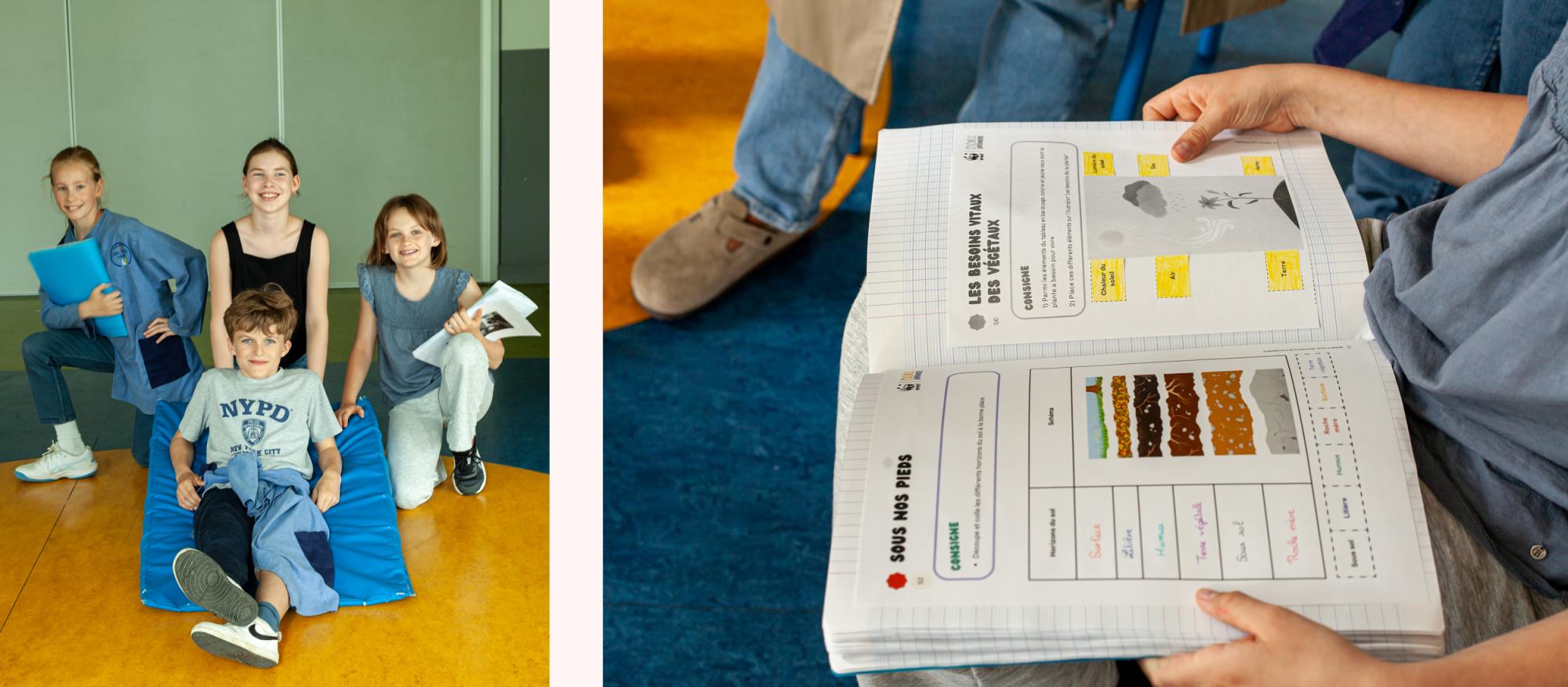
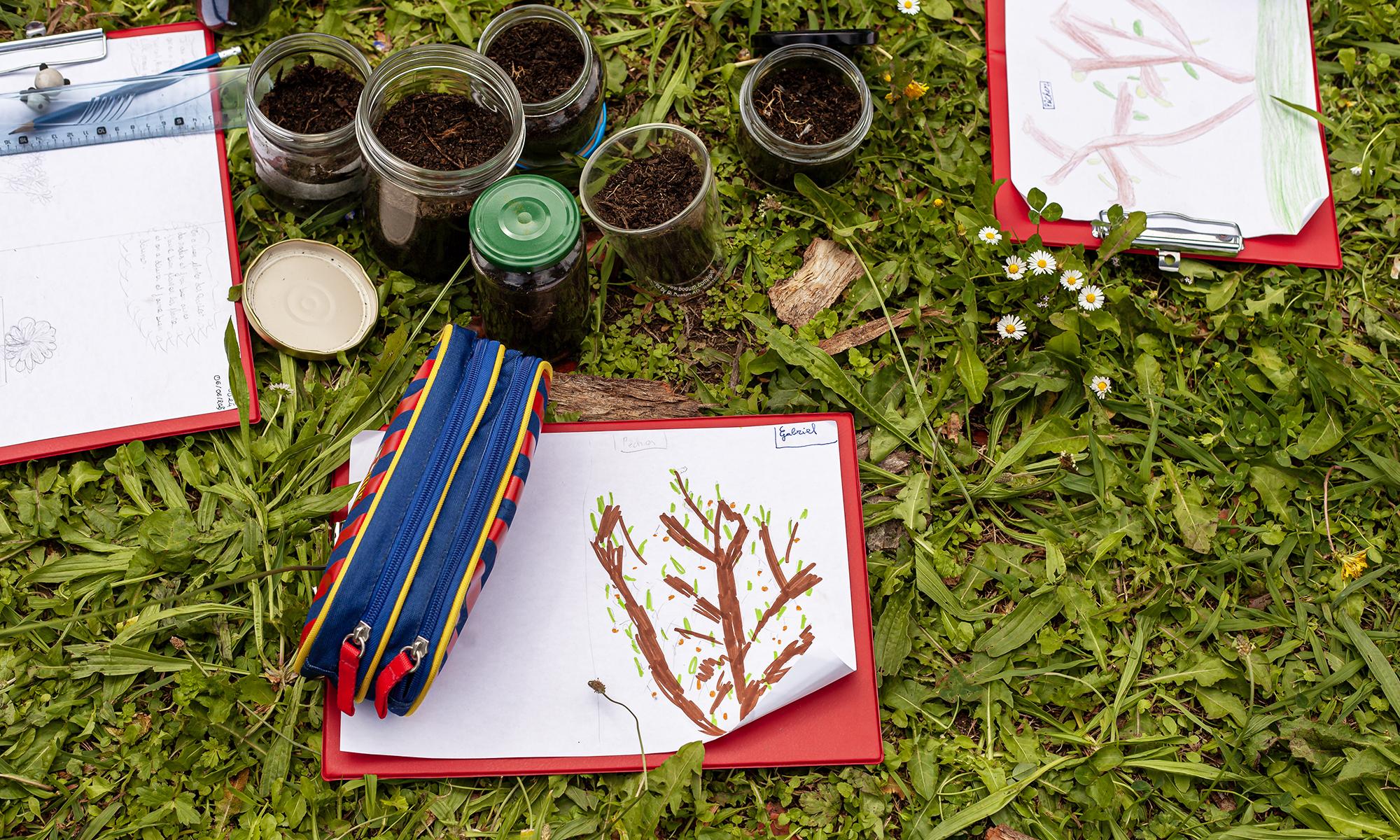
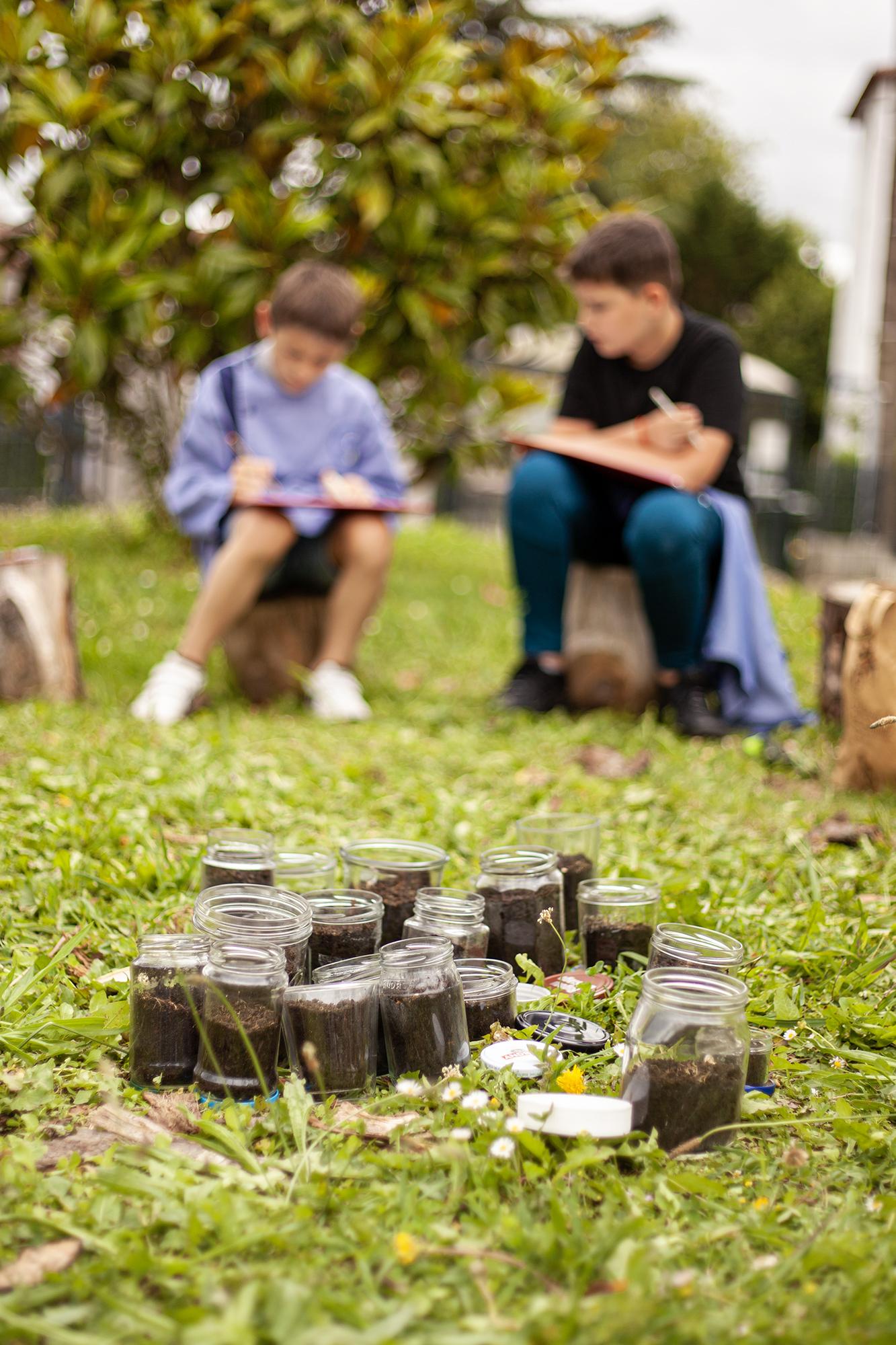
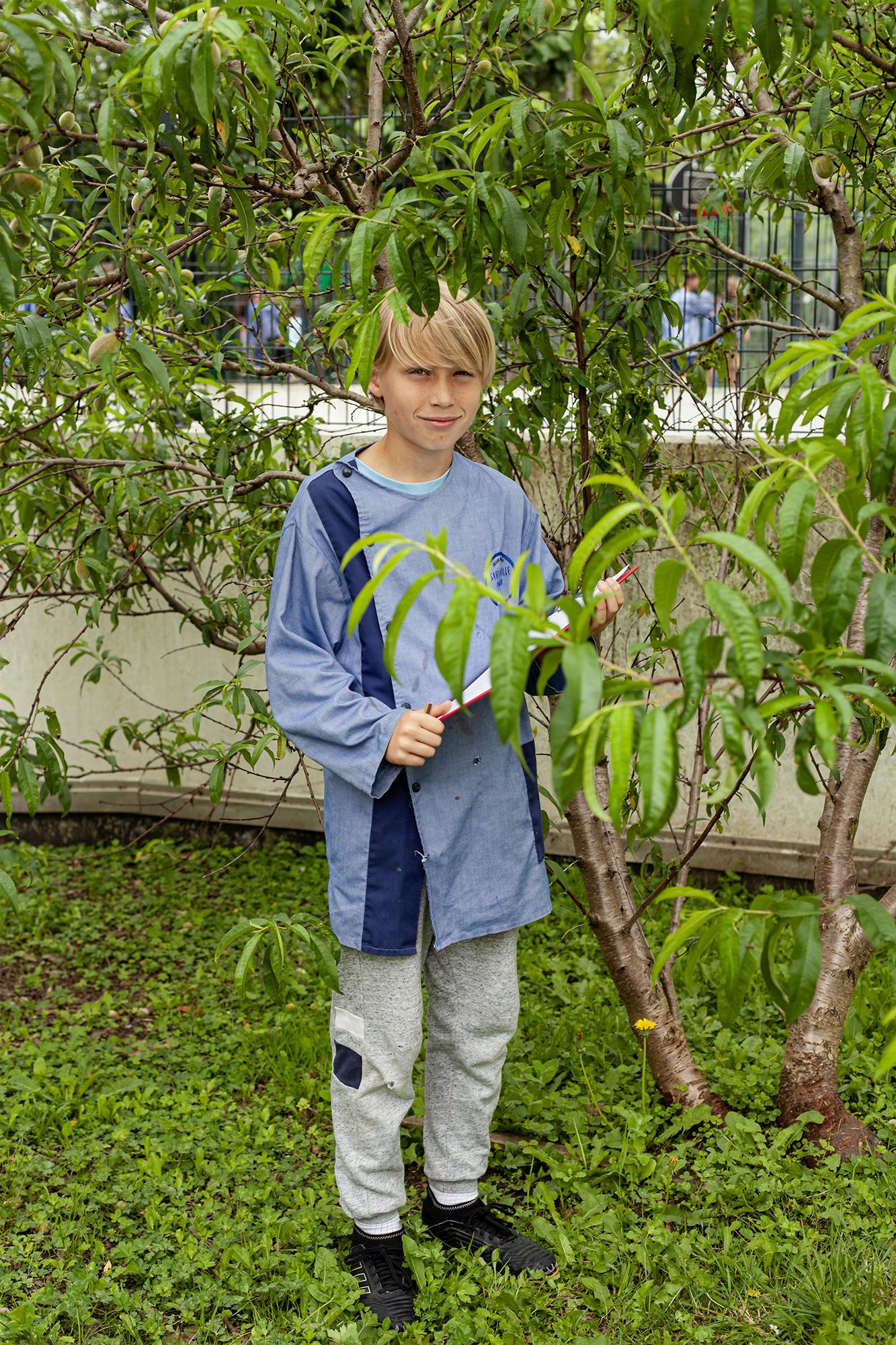
Pupils spoke enthusiastically about what they had learned and shared notebooks filled with leaf rubbings, plant sketches, and labelled diagrams. Teachers also described clear signs of pupils’ enthusiasm:
“Yes, the children are doing better. They are more enthusiastic when they know we will go outside. I can see it in their excitement.”
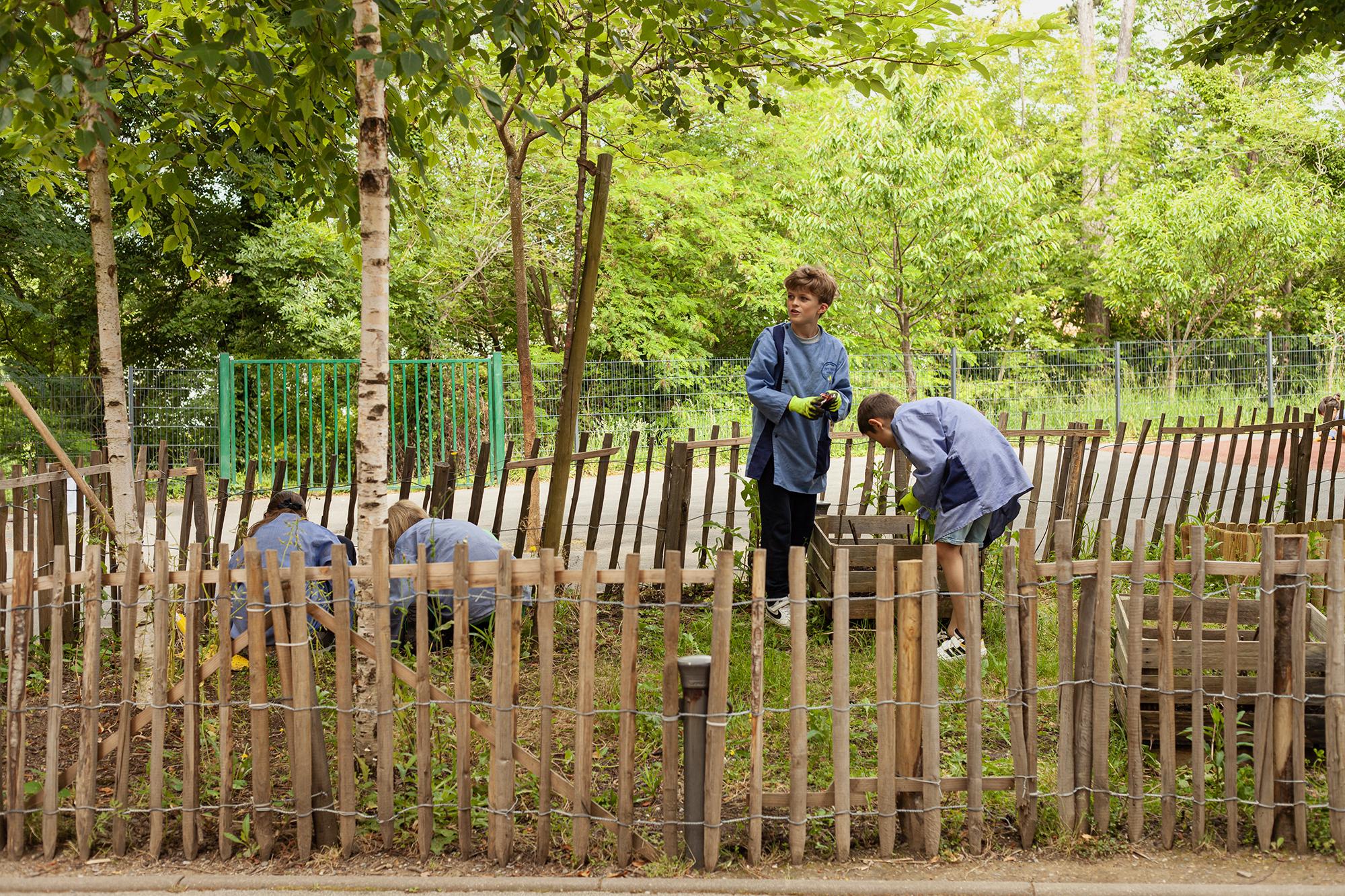
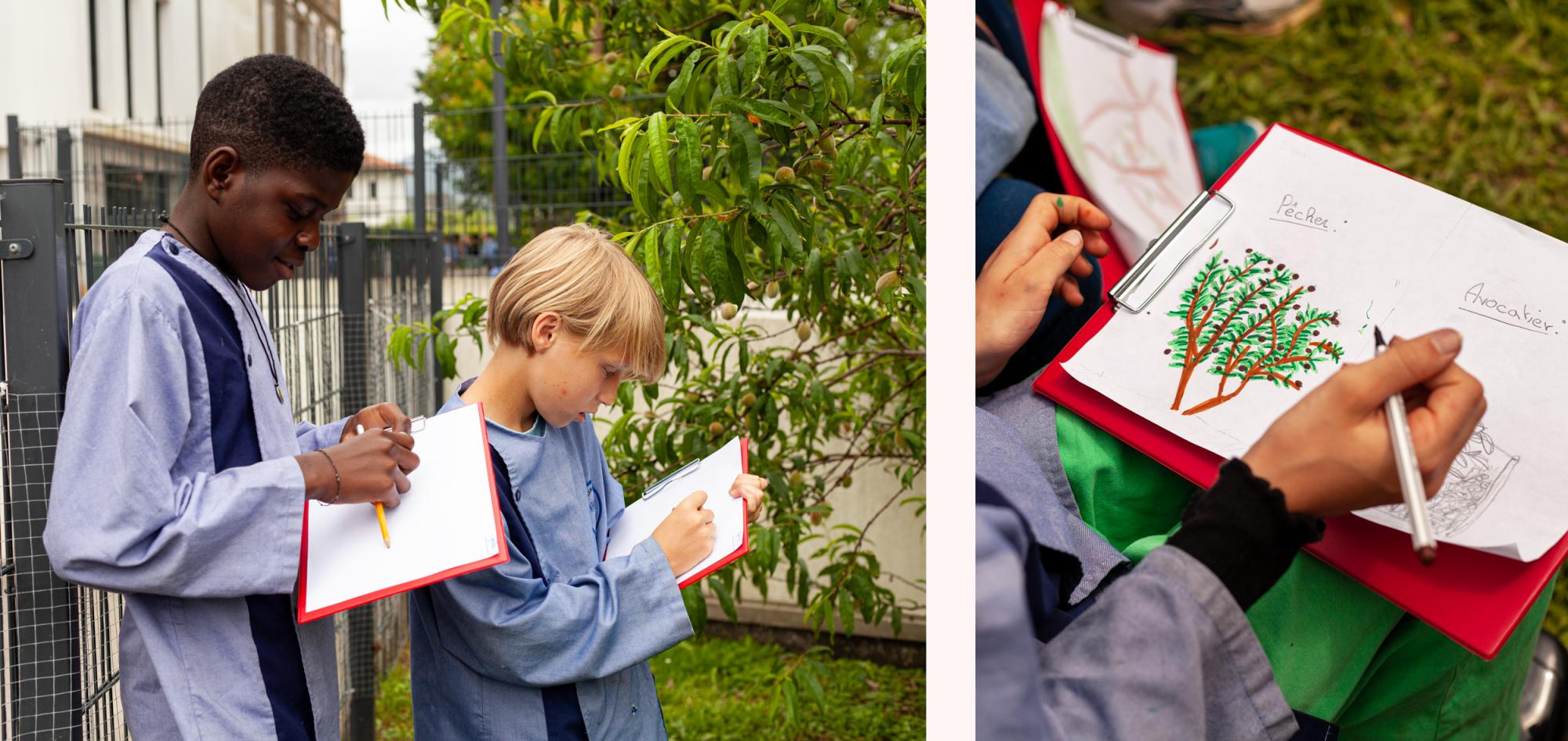
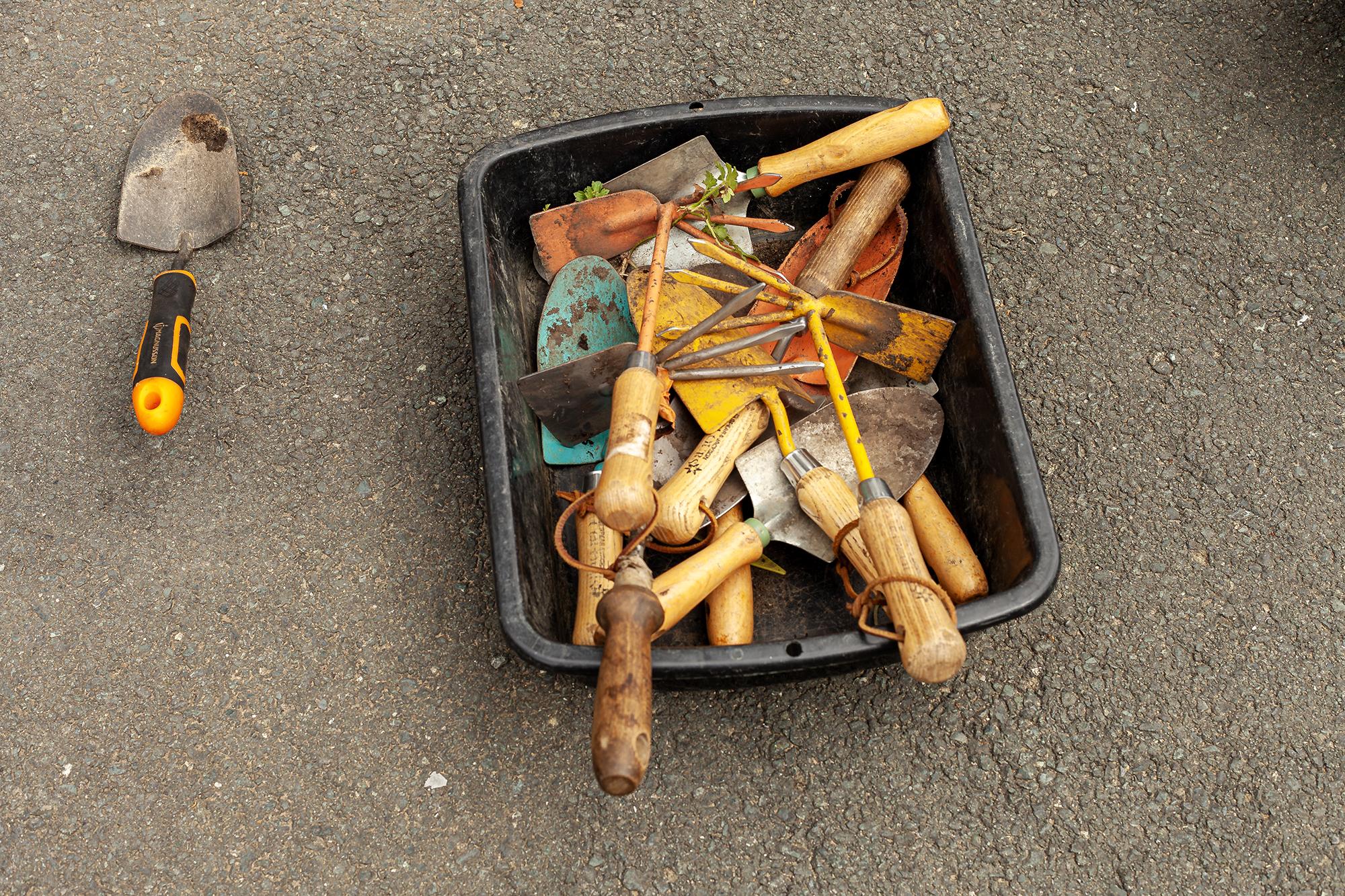
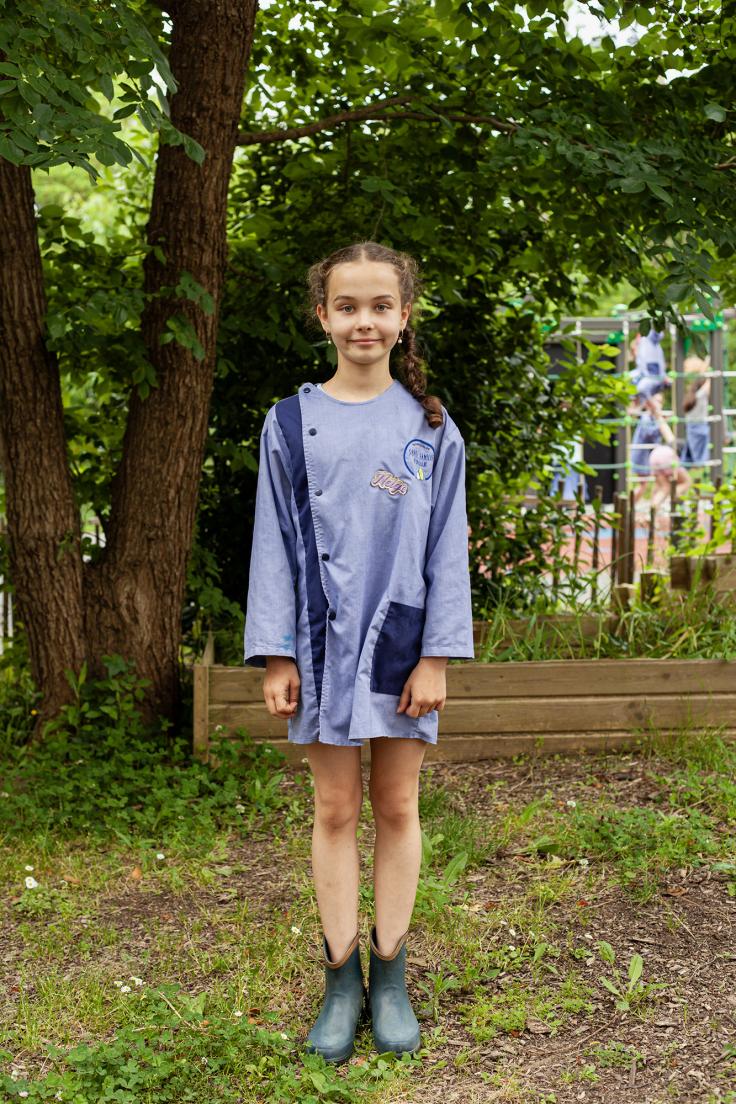
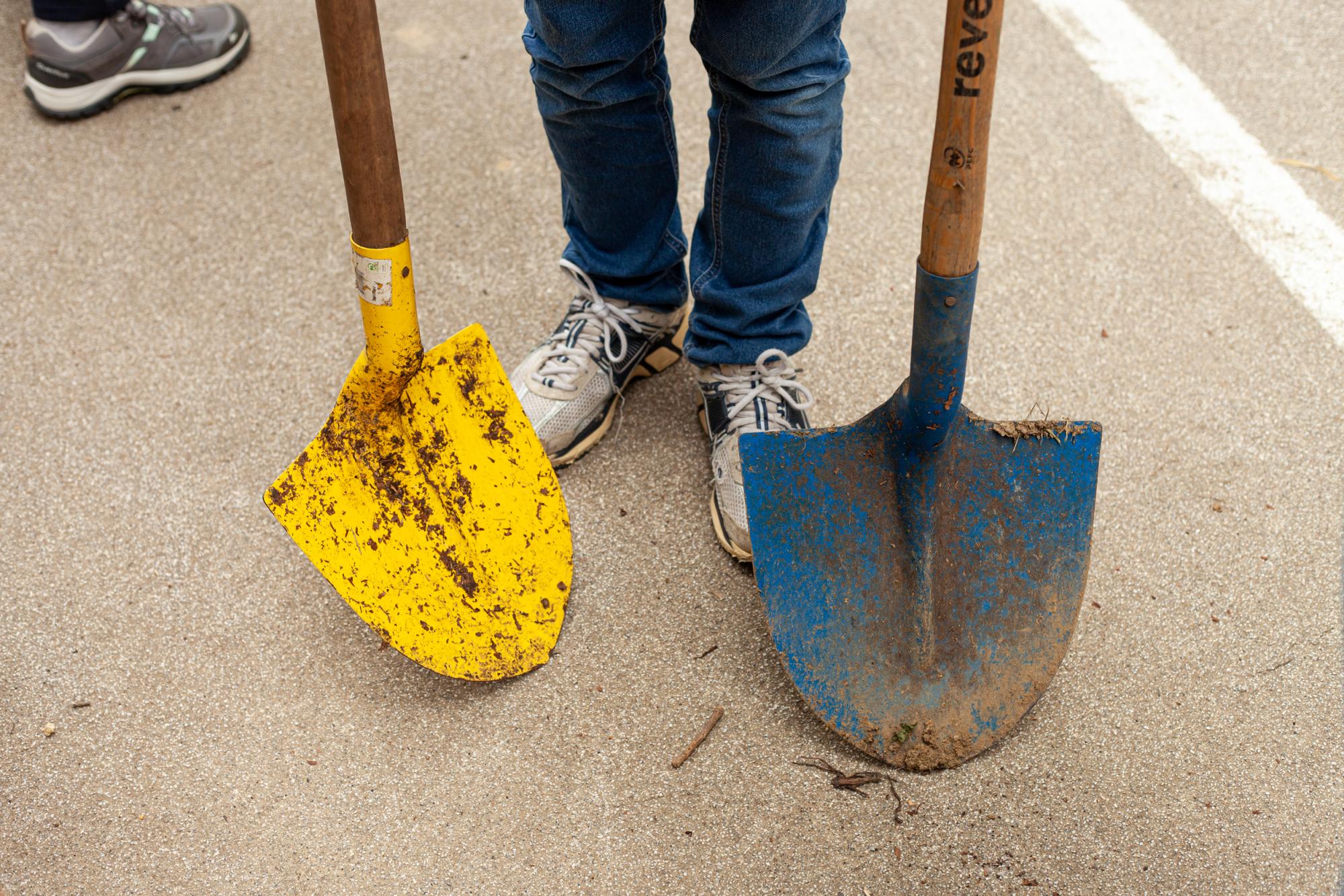
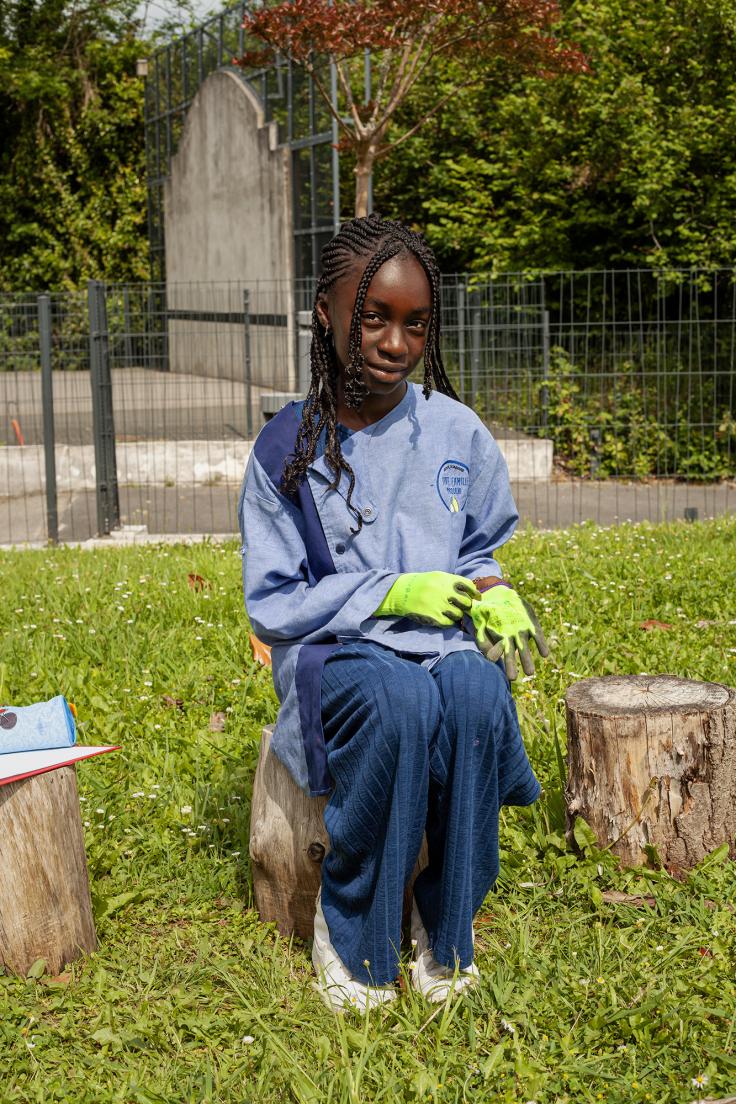
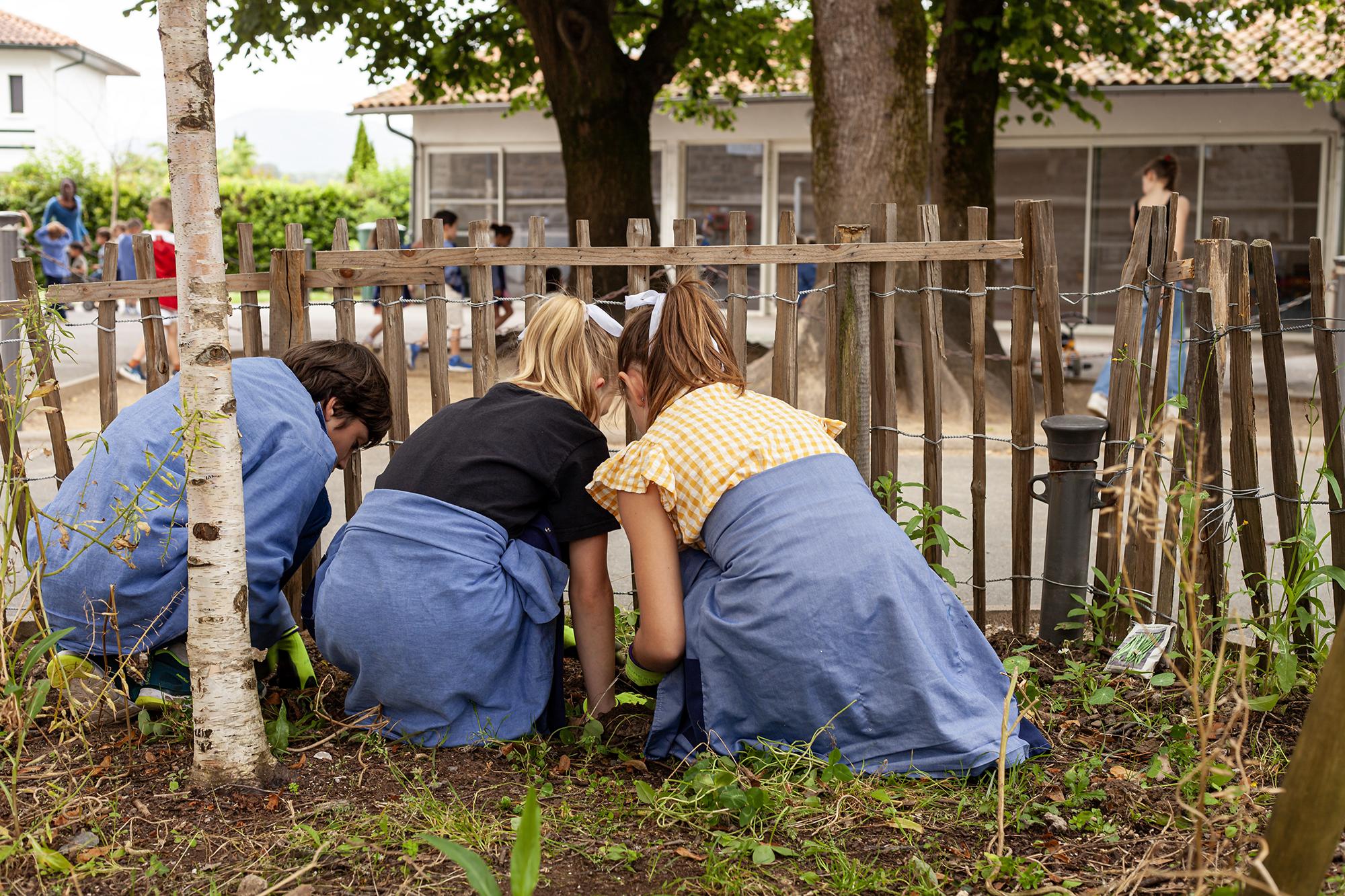
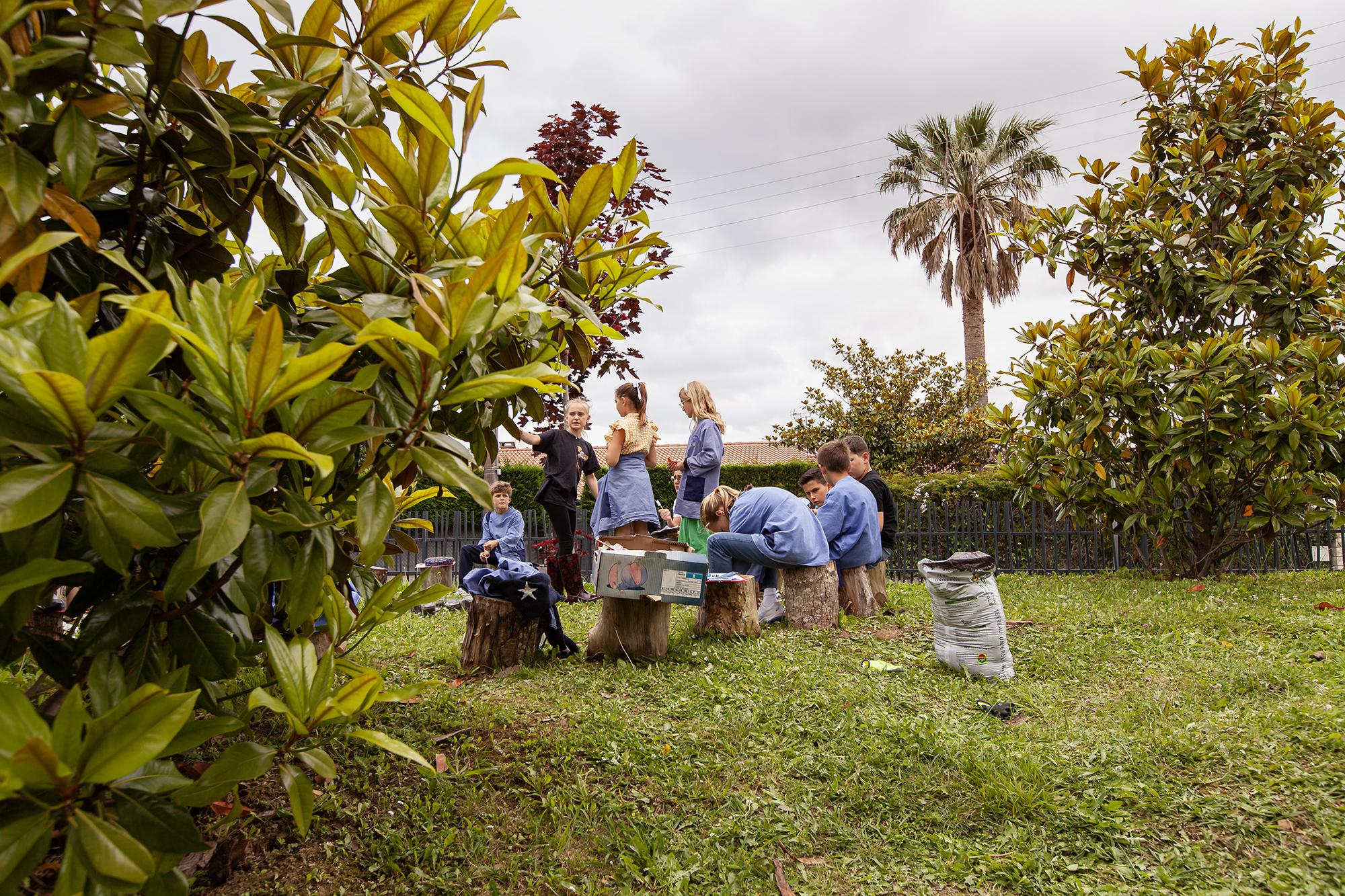
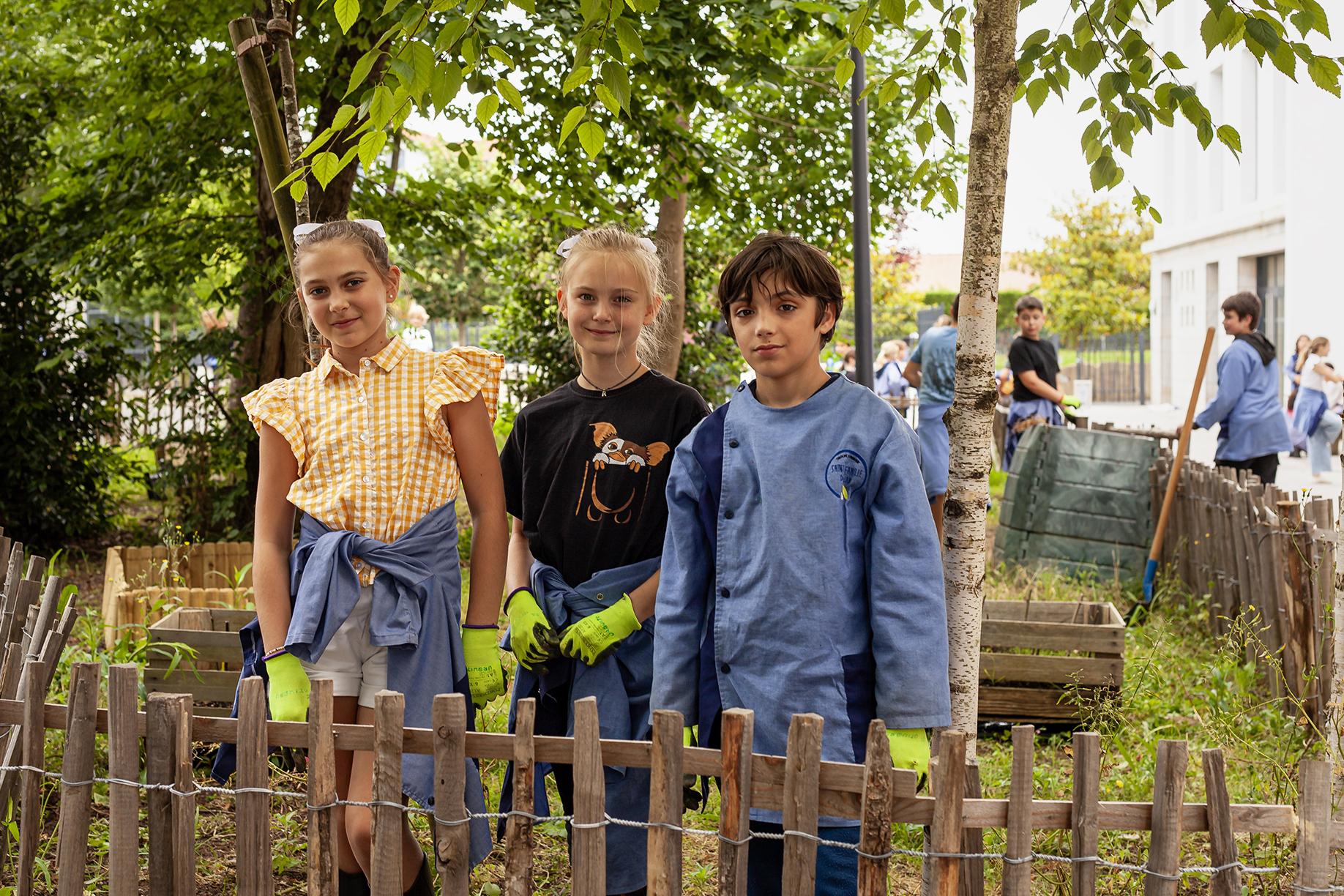
On a sunny day at the end of the school year in Saint-Jean-de-Luz, the enjoyment was obvious for students and teachers alike, as pupils prepared soil, planted seeds, watered beds, and proudly showed visitors around their plots. The garden also became a springboard for written and oral expression as one teacher shared:
“When the children come back to the classroom, we build on what was done in the garden: the students can describe a plant, write a short text. We keep a garden logbook that we update with our activities. The first achievement of the November–December period was creating posters describing the garden for an exhibition space.”
What we have learned so far
The study generated new, large-scale data on children’s relationship to nature.
Further analyses are underway, and a detailed research paper will present the full results, including longer-term outcomes. In the meantime, early findings already tell a compelling story.
The intervention enabled teachers to spend more time outdoors with their classes, leading pupils to spend around 50 percent more time on garden-based activities, whether in the classroom or outside in the school garden. This increased exposure translated into improvements in children’s connection to nature and ecological awareness, with particularly strong benefits for pupils in priority education networks, for whom access to green spaces is often more limited. Crucially, this hands-on approach strengthened declared engagement without increasing eco-anxiety, showing that environmental education can be both ambitious and positive.
The publication of the final results should help decision-makers to evaluate effective and scalable approaches to connecting schools with nature.
Authors

Zahra Boudalaoui-Buresi (Author)
– Senior Policy and Research Associate, J-PAL Europe

Quentin Daviot, PhD (Author)
– Director of Eval-Lab

Thomas Escande (Author)
– Deputy Director of Eval-Lab
Mariajose Silva-Vargas, PhD (Author and photographer)
– Senior Research and Policy Manager, J-PAL Europe | Researcher, LISER
Acknowledgements: This project is the result of the collective work of WWF France, Eval-Lab, Global Impact Metrics, J-PAL Europe and the IDEE programme, and a multidisciplinary team of researchers in economics, psychology, environmental psychology, and sociology from several French universities and research institutions. We are grateful to the participating schools, teachers, pupils, and local authorities for their engagement and trust throughout the study.
Impact evaluation partners:
- Eval-Lab: Quentin Daviot, Thomas Escande.
- Partner research team: Gladys Barragan-Jason (Université de Toulouse), Simon Briole (Université de Montpellier), Lisette Ibanez (Université de Montpellier), Joanna Lucenet (Université de Bordeaux), Sébastien Roussel (Université de Montpellier), Arielle Syssau-Vacarella (Université de Toulouse)
- Qualitative evaluation team: Noémie Caplet, Pauline Misset
- Global Impact Metrics: Paulo Gugelmo Dias, Germain Marchand, Benjamin Michallet.
- The educational activities design team (vegetable garden): Albane du Boisgueheneuc, Florence Sevin
- IDEE (Innovations, Données et Expérimentations en Éducation), J-PAL Europe.
- WWF France