

Browse the latest research and insights from J-PAL’s eleven sectors. Led by J-PAL affiliated professors, sector teams manage initiatives that fund research, create publications that summarize lessons from randomized evaluations, and host policy and training outreach events.
File: Policy publication
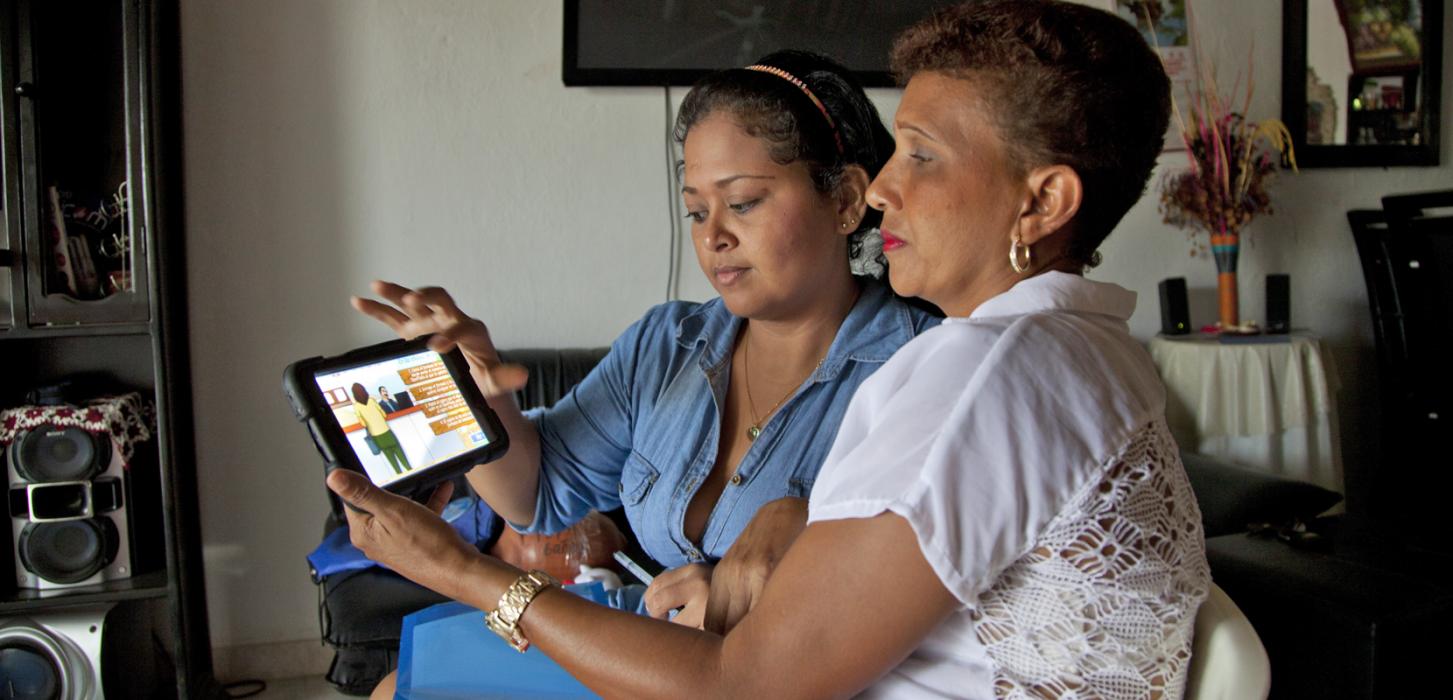
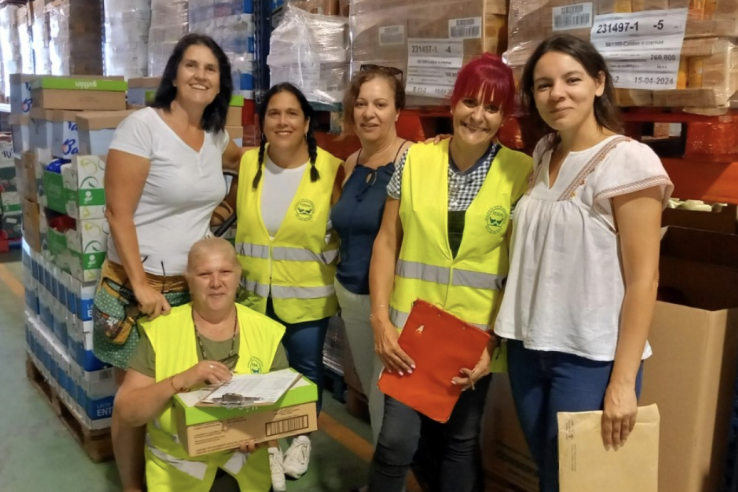
Promoting Labour Market Inclusion: Evidence from the Inclusion Policy Lab in Spain and Across Europe
This report reviews the evidence on labour market inclusion programs generated by the Inclusion Policy Lab (the Lab) and places it in context alongside broader evidence from randomized evaluations of labour market policies across Europe.

Policy insight
Leveraging mobile phones for learning
Mobile phones are a scalable, low-cost platform to improve learning by engaging students, teachers, and parents in hard-to-reach settings.
Policy insight
Teaching socioemotional skills for a safe and supportive school environment
Teaching children socioemotional skills reduces bullying and peer violence in schools by helping students manage emotions, build empathy, and resolve conflicts peacefully. Programs can be particularly effective when teachers use inclusive teaching practices and parents model empathy.

Case study
Using machine learning and mobile phone data to improve the speed and cost-effectiveness of social protection
In partnership with the Togolese government, researchers developed a rapid and cost-effective approach to deliver emergency cash to households in need by leveraging machine learning and mobile phone data. This approach helped expand emergency cash transfers to vulnerable rural households in Togo and...
Case study
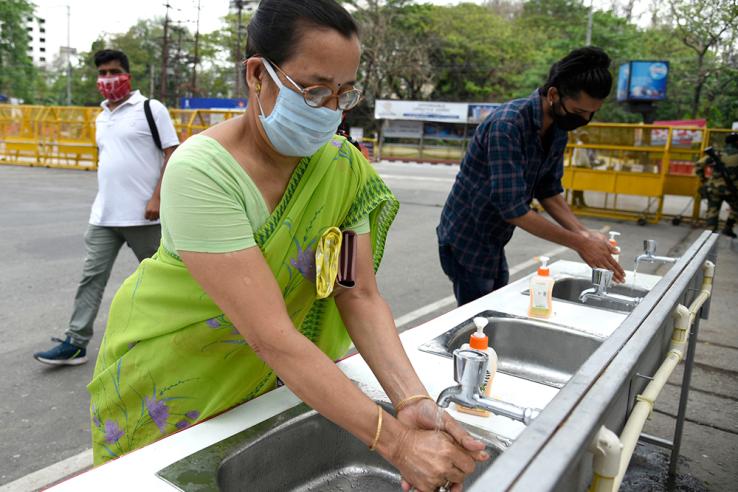
Encouraging Covid-19 preventive behaviors via celebrity messages
At the outset of the Covid-19 pandemic, J-PAL affiliated researchers used evidence from Indonesia to support the state government of West Bengal, India in designing a public health campaign that reached over 32 million people.

Policy insight
Cash for conservation: Climate action on a budget
Payments for Ecosystem Services can protect nature, reduce carbon emissions, and decrease local pollution at a low cost. But success depends on getting the scheme right—changing key aspects of program design can make them even more cost-effective.
Case study
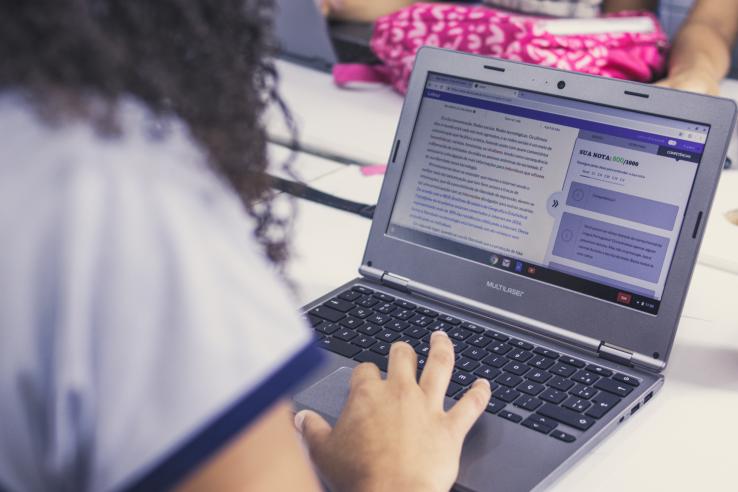
Artificial intelligence to strengthen high school students’ writing skills
The state government of Espírito Santo, Brazil applied research findings to scale an AI education technology that gives public school students feedback on their writing, reaching more than 100,000 high school seniors to date.

Policy insight
Increasing small-scale farmers’ access to agricultural markets
Farmers in low- and middle-income countries face challenges accessing markets and earning profits on their agricultural goods. When small-scale farmers have better access to both markets where they buy inputs for their own farming and markets where they sell their goods, they can often invest more...
Evaluation
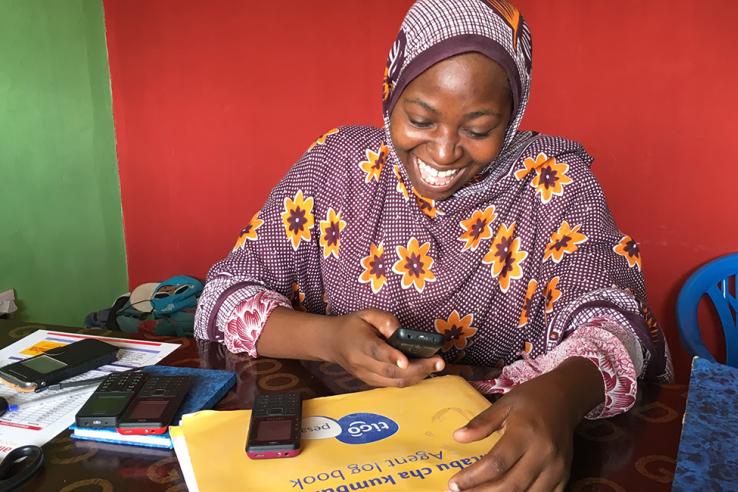
Empowering women through mobile money in Tanzania
Empowering women not only has the potential to improve their lives, but also their children's health and education. In partnership with Innovations for Poverty Action (IPA) and BRAC, researchers conducted a randomized evaluation to test whether encouraging women to make weekly loan repayments...