Gender
In addition to supporting policymakers in applying evidence from randomized evaluations to their work, sector chairs and staff write policy insights that synthesize general lessons emerging from the research and condense results from evaluations in policy publications and evaluation summaries. The Gender sector also funds new research through the Gender and Economic Agency Initiative.

Basic page
What Works to Enhance Women’s Agency
This literature review draws from 160 randomized and natural experiments in low and middle-income countries to distill key lessons on what we know about supporting women’s agency based on quantitative evidence.
Blog
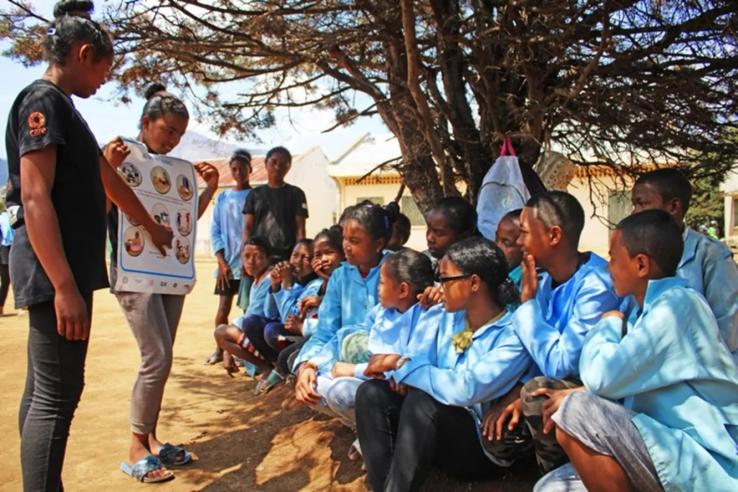
The hidden cost of menstrual stigma on learning, and the evidence on what works
May 28 marks Menstrual Hygiene Day, an annual reminder to governments, NGOs, and communities to confront the barriers that still surround menstruation like limited access to products, inadequate sanitation facilities, and a lack of basic information.
Blog
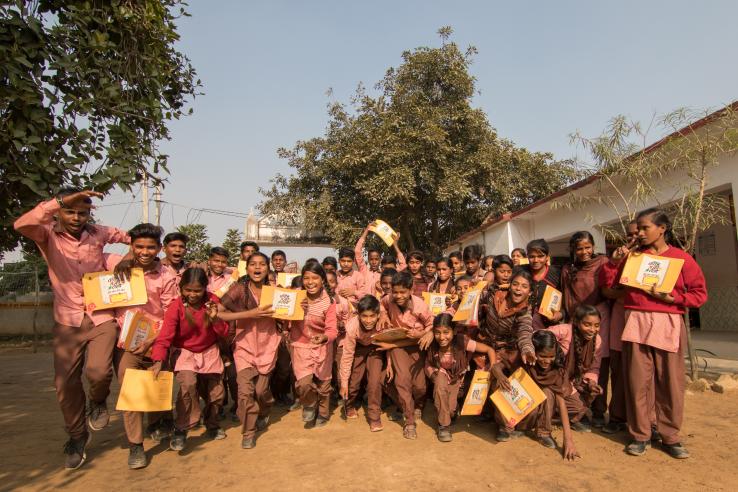
Celebrating Women’s Day: Eight stories of evidence-informed change for women and girls
This International Women’s Day, we are highlighting stories of evidence-informed programs transforming the lives of women and girls globally. We hope that as you read, you see how crucial rigorous research is to each of these examples, and are inspired to put evidence at the center of your own...
Policy insight
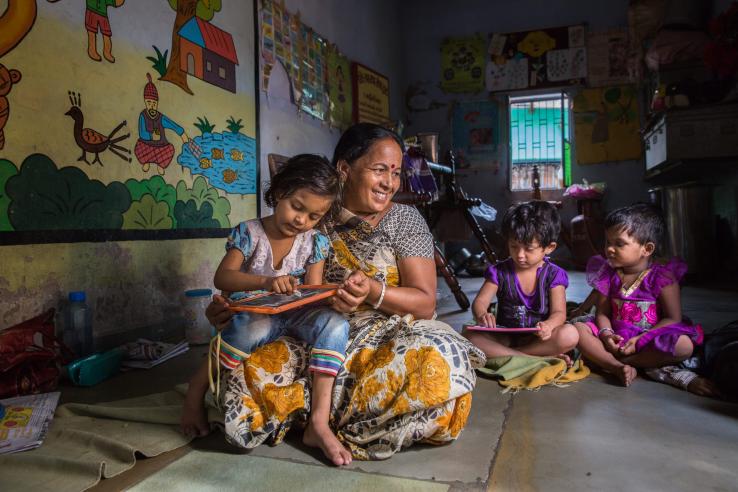
Access to childcare to improve women’s economic empowerment
Access to childcare can increase women’s employment outcomes by enabling their labor force participation, shift to more desirable work, or increase the productivity in their businesses. However, in cases where there are additional barriers to working outside the home, childcare may not be sufficient...

Policy insight
Advancing women’s representation and opportunities in STEM fields through exposure to role models
In high-income countries, exposure to women role models often positively impacts women students’ participation and educational performance in science, technology, engineering, and mathematics (STEM) fields, by improving students’ perceptions and aspirations of having STEM careers.
Case study
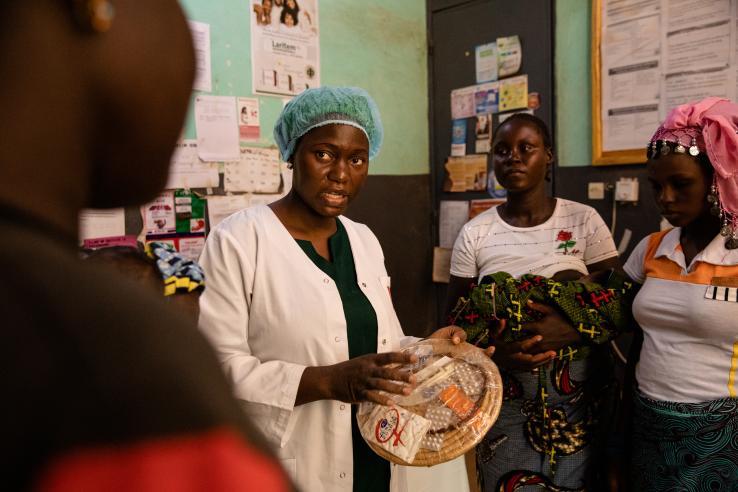
Lowering barriers to contraception use through mass media
An evidence-based family planning campaign delivered via mass media was scaled up across Burkina Faso, reaching 80 percent of the country’s population, and adapted in seven countries in southern and eastern Africa.

Blog
Gender norms and women's work: Reflecting on current evidence and policy opportunities
While the challenges women face in entering and remaining in the labor market are not new, they have worsened in the wake of the pandemic. One of the barriers to women’s economic empowerment and labor market participation is restrictive gender norms relating to the acceptability of women working...
Basic page
A Practical Guide to Measuring Women’s and Girls’ Empowerment in Impact Evaluations
Policymakers and practitioners around the world are increasingly interested in supporting women's and girls’ empowerment, and many researchers are grappling with how best to measure empowerment in impact evaluations.

File: Policy publication
Enhancing Women’s Agency: Cross-Cutting Lessons From Experimental and Quasi-Experimental Studies in Low- and Middle-Income Countries
This Evidence Review highlights key research findings on evidence that cuts across multiple domains of women’s agency and identifies research questions that remain to be answered.