

Displaying 3976 - 3990 of 7226
Evaluation
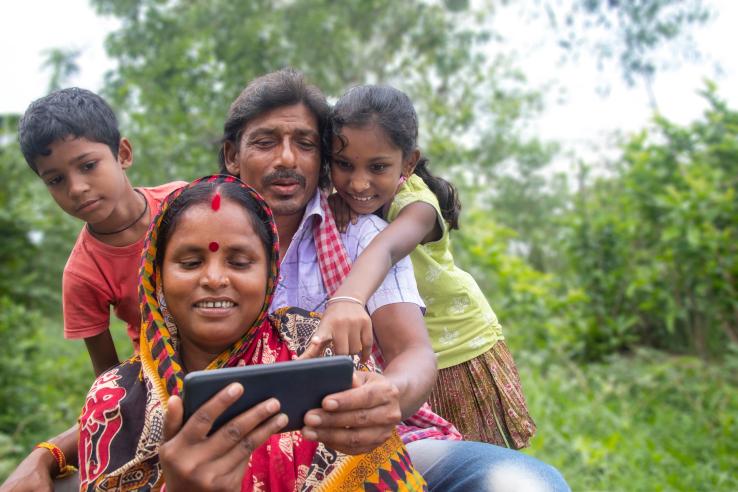
Improving Female Labor Force Participation through Flexible, Internet-mediated Gig Work in India
In India, researchers conducted a randomized evaluation to test the impact of a flexible, digital gig work opportunities on women’s labor supply, take uptake of employment opportunities, implications for worker productivity, and women’s interest in future outside-the-home work opportunities. as well as on gender attitudes of women and their children. Women offered flexible working arrangements were three times more likely to take -up work than those offered an office job, and were more likely to accept outside-the-home work several months later.
Event
Summer School: Development Methodologies
As part of the "Development Methodologies" Professorship held by Abhijit Banerjee and Esther Duflo, a summer school for African researchers and policymakers will be organised from 5 to 8 July 2022 in Abidjan, on the campus of the Institute of Statistics and Applied Economics (ENSEA).
Update
J-PAL Updates
March 2022 Newsletter
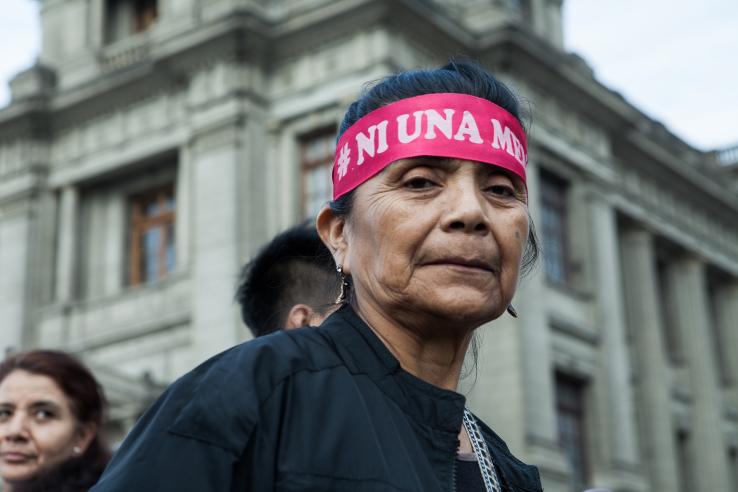
In the March 2022 newsletter, we highlight evidence-informed ideas to improve gender equity in Latin America and the Caribbean, a new policy insight from J-PAL's Gender sector that identifies gender-specific barriers to learning, and a new evidence review from J-PAL North America which finds that...
Evaluation
The Impact of Cognitive Behavioral Therapy on Low-Income Individuals in Rural Ghana
Researchers worked with Innovations for Poverty Action and the University of Ghana Medical School to design, implement, and conduct a randomized evaluation of the impacts of a group CBT curriculum on low-income individuals in rural Ghana. CBT improved participants’ mental and physical well-being, socio-emotional and cognitive skills, and economic outcomes two to three months later. Results held true whether participants had reported mental distress before the program or not, suggesting that CBT has the potential to address both mental health vulnerability and participants’ mental bandwidth regardless of mental health status.
Event
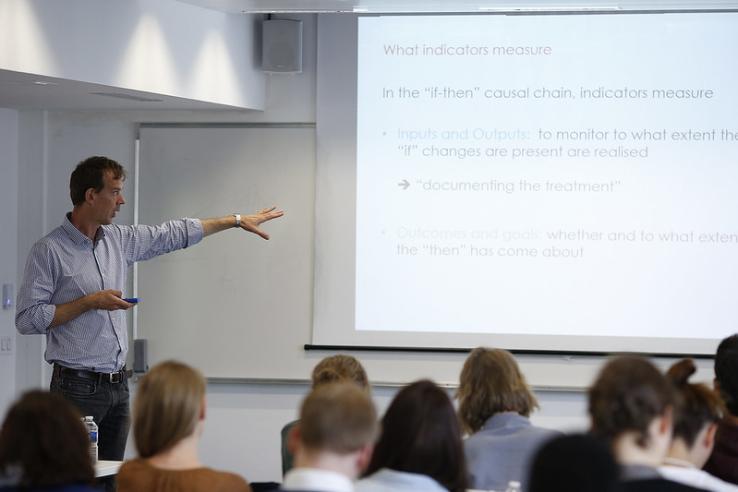
J-PAL/MIT Evaluating Social Programs Course, 2022
Held live over Zoom, this five-day training will equip participants with the resources and knowledge to engage with impact evaluations of social programs. The interactive course provides an in-depth look at why and when randomized evaluations can be used to rigorously measure social impact, methods...
Person
Anggia Nahomy
Update
J-PAL Updates
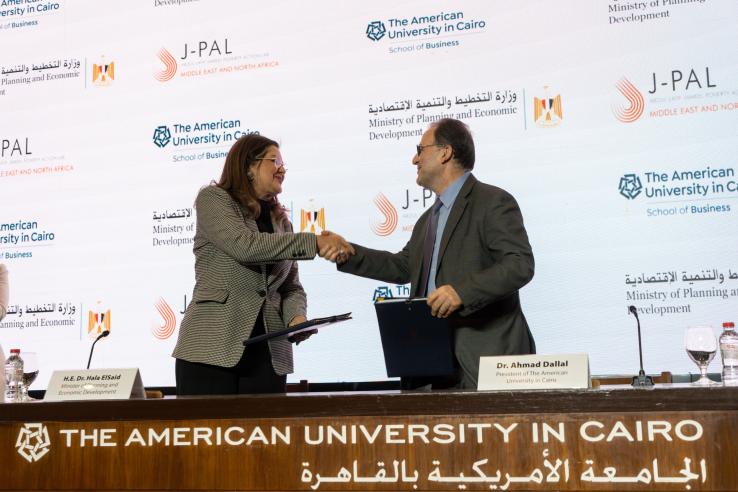
The Ministry of Planning and Economic Development and J-PAL MENA at AUC Launch the Egypt Impact Lab to Strengthen Evidence-Informed Policy and Improve Development Outcomes in Egypt
J-PAL MENA at AUC, represented by Dr. Ahmed S. Dallal, and the Ministry of Planning and Economic Development, represented by H.E. Hala El Said, signed a Memorandum of Understanding on Thursday March 17, 2022 to launch the Egypt Impact Lab to strengthen evidence-informed policy and improve...
Update
J-PAL Updates
March 2022 North America Newsletter
J-PAL North America's March newsletter highlights Evaluating Social Programs; our training partnership with CalData; and the Baby's First Years study.
Event
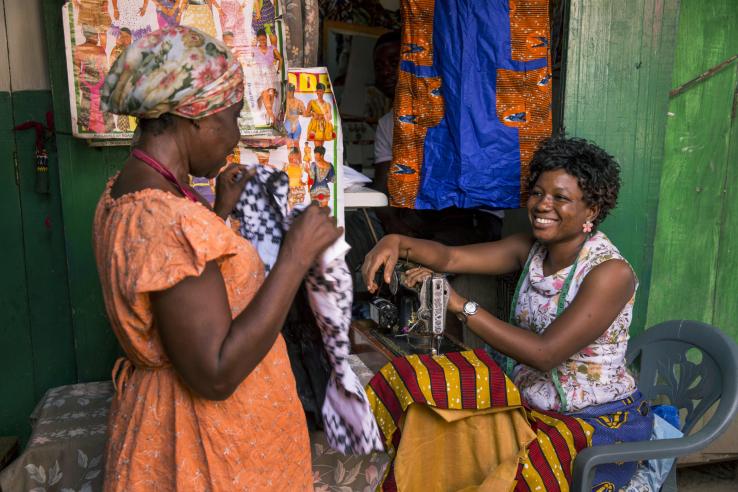
Gender Norms and Women's Work
To add to ongoing discourse on gender norms and women’s work, this policy event brings together different stakeholders working to shift gender norms and attitudes on women’s work. These include policymakers, universities, think tanks, implementing organizations, and development agencies, among...
Evaluation
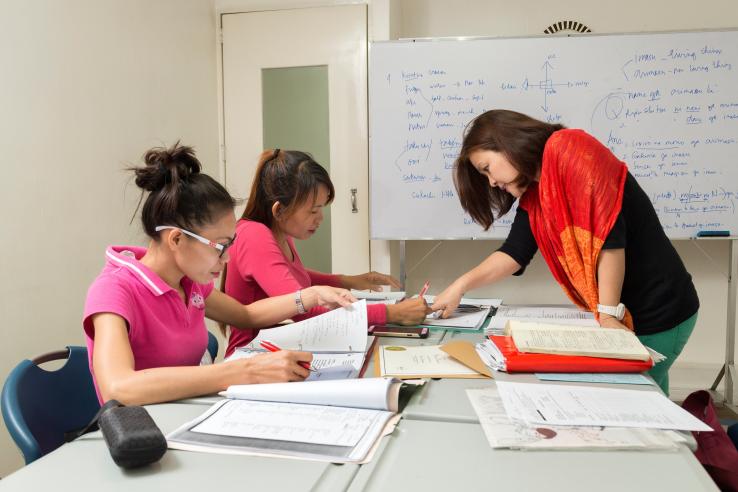
Increasing Financial Aspirations to Improve Financial Decision-Making and Outcomes in the Philippines
Researchers conducted a randomized evaluation to test whether encouraging entrepreneurs to raise their aspirations helped them improve their financial decisions and outcomes. The aspirations training led individuals to set higher savings goals, but most participants failed to achieve their goals.
Person
Yash Dumaswala
Yash Dumaswala is responsible for project design and its implementation on the ground.

Blog
Behind the scenes with researchers from the Baby’s First Years study
Baby’s First Years (BFY), a J-PAL North America-funded study, recently published results showing that monthly cash support impacts infant brain activity. In an interview with J-PAL staff, J-PAL affiliated professor Lisa Gennetian (Duke University) and researcher Kimberly Noble (Teachers College...
Resource
Basic page
J-PAL's response to Covid-19
Resource
Basic page
Frequently Asked Questions (FAQ) Survei Kesejahteraan
Evaluation
The Impact of Transportation and Information Access on Women's Job Search and Employment in Pakistan
Researchers conducted a randomized evaluation to test the impact of increased access to transportation and assistance with interview scheduling on women’s employment.