

Displaying 7456 - 7470 of 8536
Person
Niraja Pamulapati
Niraja Pamulapati is a Senior Associate (Software Developer) at J-PAL South Asia, IFMR, where she has been working for the past 11 years

Initiative Resource
Initiative projects and documents
SfPI Rolling RFP
Person
Divija Samria
Divija Samria is a Research Associate at J-PAL South Asia, currently working on the Demand for Cooling project in Mumbai.
Evaluation
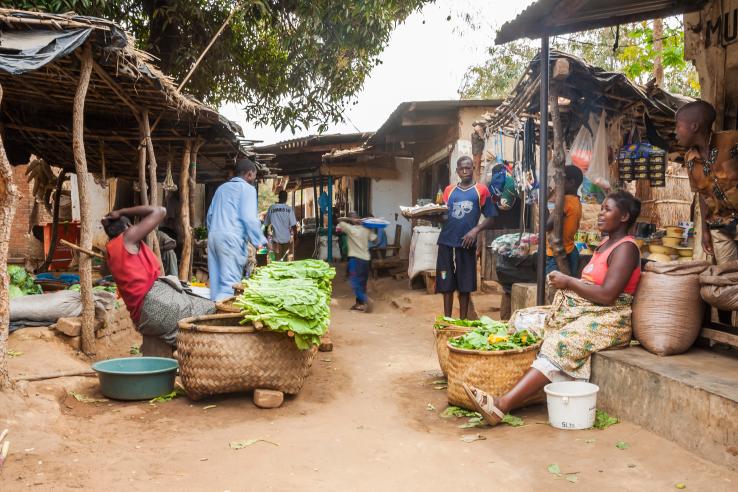
The Impact of Delayed Wage Payments on Spending and Investment in Malawi
Researchers conducted a randomized evaluation to test the impact of paying workers on a weekly basis or in one lump sum, as well as of receiving payments in contexts with greater temptation to spend, on their spending and investment decisions. Workers assigned to receive lump-sum wages were more likely to purchase a high-return investment, but receiving wages in a tempting market environment had no impact on total expenditure nor spending on temptation goods.

Evaluation
The Impact of Information on Selective and Less-Selective Schools in Chile
Researchers conducted a randomized evaluation to test the impact of providing information to students on enrollment at different quality schools. Students who were provided information applied to and enrolled in different types of schools. However, overall a greater number of students did not enroll in school despite receiving information.
Evaluation
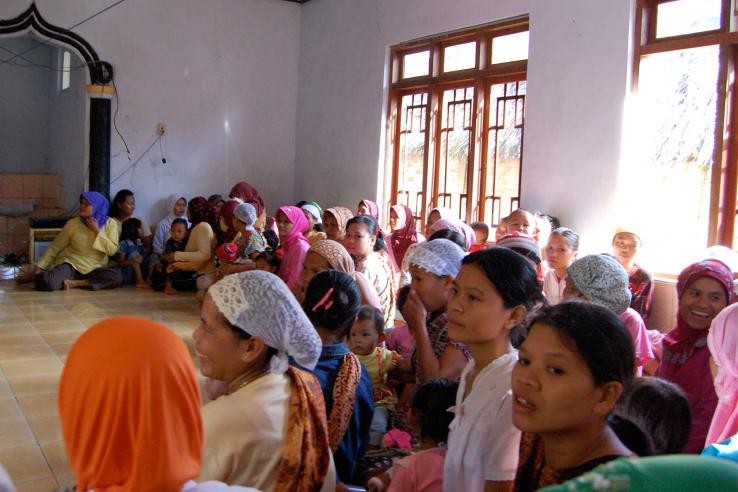
Empowering Female Migrant Workers to Access Quality Overseas Placement Services in Indonesia
Researchers conducted a randomized evaluation to test the impact of providing information about the quality of migration agencies to potential migrants on migration choices and welfare. Information reduced the rate of migration in the short term, which lowered workers’ use of low-quality agencies, but did not change their intentions to migrate in the future or beliefs about the returns to migration. Those who did migrate received better pre-departure training and reported higher-quality job experiences abroad.
Evaluation
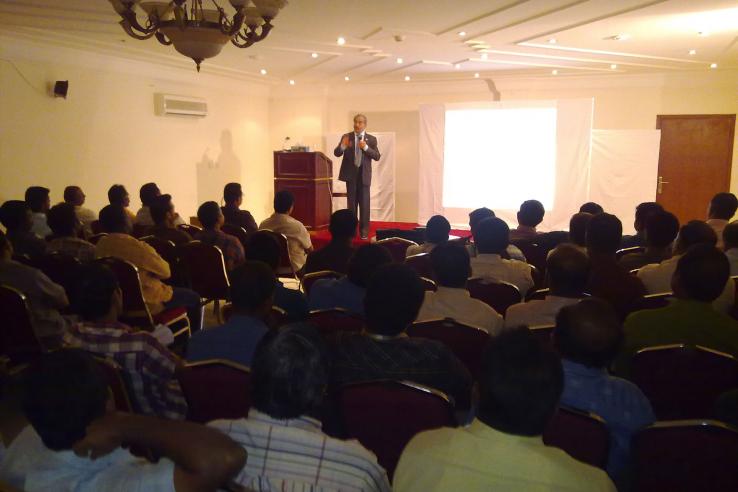
Financial Education for Indian Migrant Workers in Qatar
Researchers examined the impact of receiving an invitation to a savings-focused financial literacy workshop on the financial decisions of Indian migrant workers in Qatar and their wives in India. A one-time financial literacy workshop in Qatar increased migrant workers’ joint financial decision-making with their wives. Among migrant workers with initially low savings, the workshop also increased total savings.

Evaluation
Incentives, Selection and Productivity in Labor Markets in Malawi
Researchers evaluated the effect of randomly offering varied wages to bean-sorting workers in rural Malawi. While offering higher wages caused workers to increase their productivity, it did not attract more productive workers.
Evaluation
The Degree of Ethnic Bias in Kenya
Researchers in Kenya conducted multiple lab studies at the Busara Center for Behavioral Economics to explore the degree of ethnic bias in the local population and assess how bias may affect participants’ behavior. Contrary to existing assumptions about ethnic preferences in Kenya, researchers found no evidence of ethnic bias in decision-making related to sharing of economic benefits and political alignment.

Evaluation
The Role of Extrinsic and Intrinsic Motivations for Tax Compliance in Germany
Researchers partnered with a Protestant church district in metropolitan Bavaria, Germany, to conduct a field experiment to reveal taxpayers’ motivations to comply with a local church tax. Researchers found that simplifying the tax notification, highlighting the possibility of tax enforcement, and offering rewards and recognition for timely payment affected taxpayers’ compliance behavior.

Evaluation
The Impact of Mobile Money on the Purchase of Improved Sanitation Services in Senegal
The proliferation of mobile money across low- and middle-income countries has led to increased availability of mobile payment systems, which can potentially allow more flexible payment terms for customers. Subsidies increased the use of mechanized desludgings, while pre-paid deposit requirements had no impact on their use. The flexibility of being able to save in advance in an earmarked savings account through the save-at-will treatment increased take-up through the program, but did so at the expense of take-up outside the program.

Evaluation
The Role of Protest Experience and Social Networks in Protest Movements in Hong Kong
In Hong Kong, researchers conducted a randomized evaluation to test the impact of indirectly incentivizing protest participation on sustained participation in a political movement and to identify the role social networks play in protest turnout. Indirectly incentivizing participants to attend a political protest increased their participation regardless of how many of their peers received the same incentive. Participants’ subsequent protest participation remained persistently higher a year later, but only when at least half of their social network was also incentivized to attend the initial protest.
Evaluation
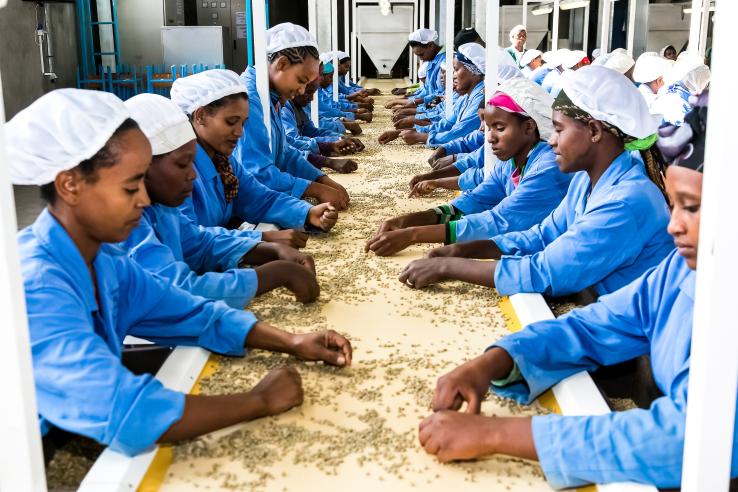
Anonymity or Distance? Removing Obstacles to Youth Employment in Urban Ethiopia
Researchers evaluated and compared the impact of two different job search assistance policies on employment outcomes for young job seekers in Addis Ababa. Helping youth signal their skills to employers improved their earnings and job duration four years later, especially for youth who would usually fare the worst in the labor market. Reducing the cost of job search through a transportation subsidy improved the likelihood of having a formal job in the short run, but had no impact after four years.

Evaluation
The Effects of a Nationwide Medicare Bundled Payment Reform Program in the United States
Researchers examined the impact of bundled payments on Medicare spending, utilization, and quality of care for knee and hip replacements, two common and expensive medical procedures. Evidence from the first year of implementation of a five-year mandatory bundled payment model showed a reduction in health care utilization, but no evidence of an impact on health care quality, the volume of patients treated, or the mix of patients treated.