

Displaying 4006 - 4020 of 7218
Blog
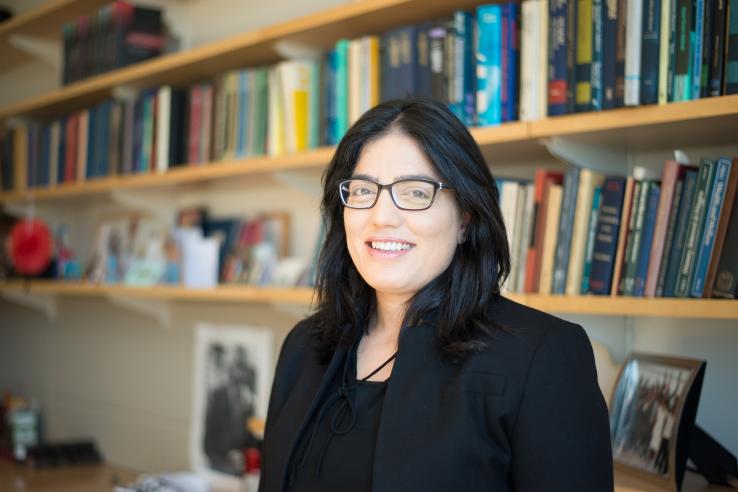
Affiliate Spotlight: Tavneet Suri on the importance of locally-grounded research
A weak internet connection did not stop J-PAL Africa Scientific Director Tavneet Suri from getting her point across in our interview: Good research is done with an ear to the ground and a connection to the community. Calling in from her home country of Kenya, Tavneet emphasized how important it is...
Resource
Basic page
Register for the Evidence for Social Protection Policy: Introducing the Social Protection Initiative webinar
Registration is now closed.
Resource
Basic page
Register for the Countering Discrimination: Combating Innate and Societal Biases webinar
Registration is now closed.

Evaluation
The Impact of Poverty Reduction Among New Mothers on Child Brain Development in the United States
Researchers evaluated the impact of poverty reduction via an unconditional cash transfer to mothers on child neurodevelopment. Children in families that received a $333 monthly transfer displayed different brain activity patterns than children whose mothers received only $20 a month.
Resource
Basic page
Frequently Asked Questions (FAQ) Survei Pendaftar Kartu Prakerja
Resource
Basic page
Frequently Asked Questions (FAQ) Survei Sosio-Ekonomi
Blog
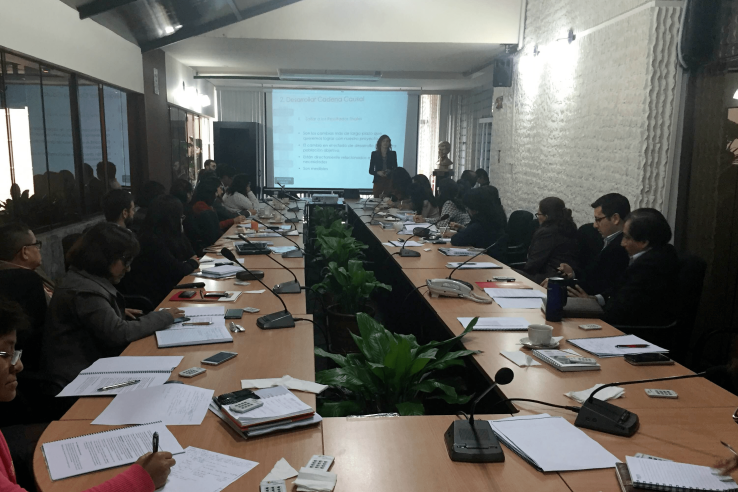
Joining forces to address gender-based violence in Peru
How can we identify the best strategies to confront gender-based violence? With this question in mind, in 2016 MIMP, Innovations for Poverty Action (IPA) Peru, and J-PAL LAC launched a collaboration to develop a learning cycle and institutionalization of evidence-informed decision-making in Peru.
Resource
Basic page
Register for Early Childhood Development: Guiding Investments in Long-Term Human Capital Development
Registration is now closed.

Blog
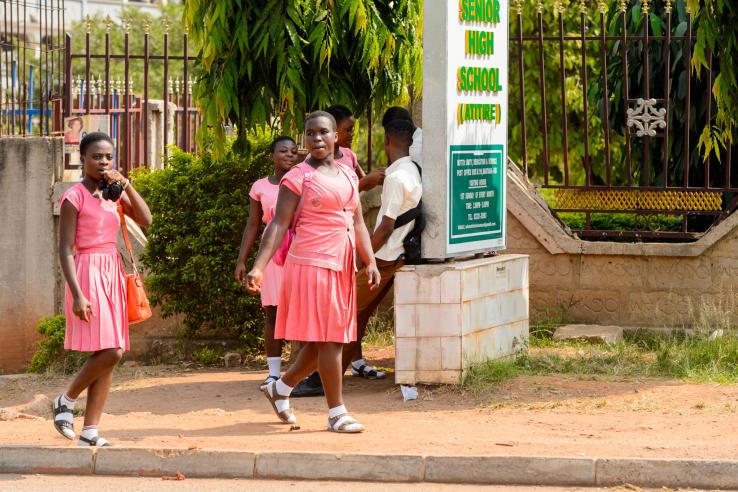
Want to get girls to school in sub-Saharan Africa? Tackle poverty
Female education remains a key challenge in sub-Saharan Africa, which is home to the largest population of out-of-school girls. Poverty remains a key barrier to school enrolment, especially following the economic disruptions triggered by the Covid-19 pandemic. Can governments really hope to tackle...
Person
Sharada B Chandankar

Update
J-PAL Updates
May 2022 Newsletter
In the May newsletter, we highlight the Economics Transformation Project, the impact of climate change on food security and nutrition, the Humanitarian Initiative Learning Agenda, and the professional journeys of J-PAL alumni.
Event
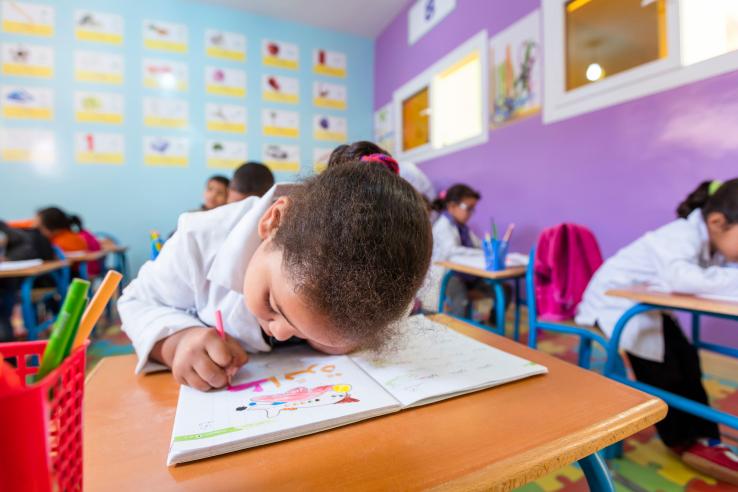
Morocco Employment Lab’s Evidence Sharing Seminar: Using Evidence to Improve Youth Economic Inclusion in Morocco
This seminar will focus on youth economic inclusion, including three panel discussions led by senior policymakers, academics, and staff from the Morocco Employment Lab.
Resource
Basic page
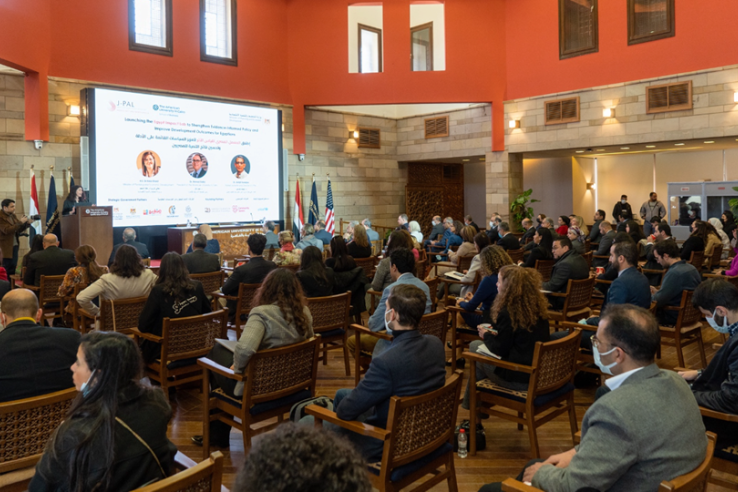
Egypt Impact Lab: An embedded lab in the National Institute for Governance and Sustainable Development
The Egypt Impact Lab seeks to strengthen evidence-informed policy and improve development outcomes for Egyptians.

Update
J-PAL Updates
May 2022 North America Newsletter
J-PAL North America's May newsletter features a new evidence review on summer youth employment programs; a blog series on the Economics Transformation Project; and a staff spotlight on our health team.