

Displaying 3271 - 3285 of 7212
Page
Landing page
Careers
Blog
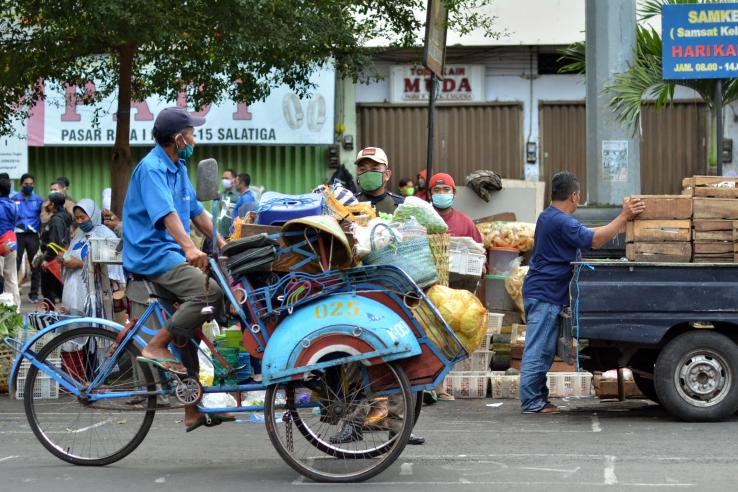
Strengthening Indonesia’s social protection in the COVID-19 era: Strategy and lessons from evidence
Indonesia has massively expanded its social assistance programs to respond to the crisis. How can we strengthen existing institutions as a backbone to provide assistance to the crisis? As a commitment to supporting the Indonesian government in mitigating the economic impact of COVID-19, J-PAL...
Blog
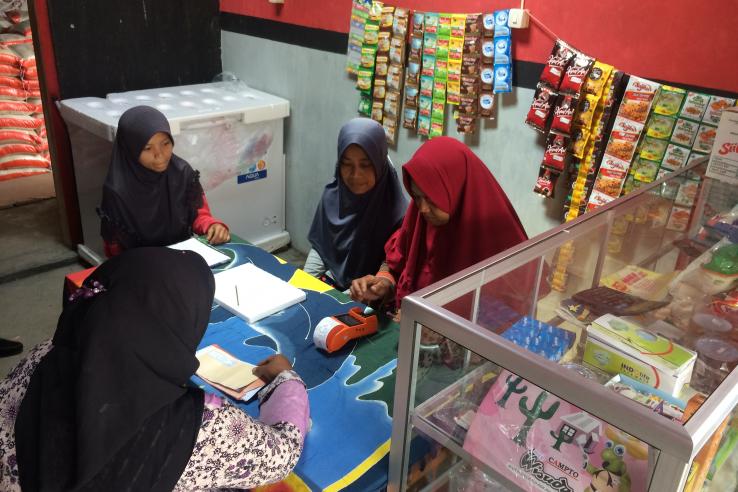
Improving women’s digital literacy as an avenue for financial inclusion
To ensure Indonesia continues to experience gender-equitable growth, e fforts geared towards financial inclusion must take into consideration women’s needs, in particular among poor and digitally illiterate populations. How can insights from Indonesia’s past financial inclusion experiences inform...
Blog
Meningkatkan kemampuan digital perempuan untuk inklusi keuangan
Agar pertumbuhan setara gender terus berlanjut, upaya inklusi keuangan di Indonesia harus memenuhi kebutuhan perempuan, terutama kelompok berpendapatan rendah dan kemampuan digital yang terbatas. Bagaimana wawasan dari pengalaman inklusi keuangan Indonesia dapat menginformasikan kebijakan untuk...
Person
Rulof Burger
Rulof Burger is a Professor of Economics at Stellenbosch University. Burger conducts much of his work in South Africa.

Blog
Overcoming under-subscription of welfare programs: Digital solutions to low take-up
Welfare programs are in developing countries can have low coverage as a result of low take-up. One barrier to take up may be the perceived lack of IDs. We explore if digital IDs and payments offer a possible solution.
Evaluation
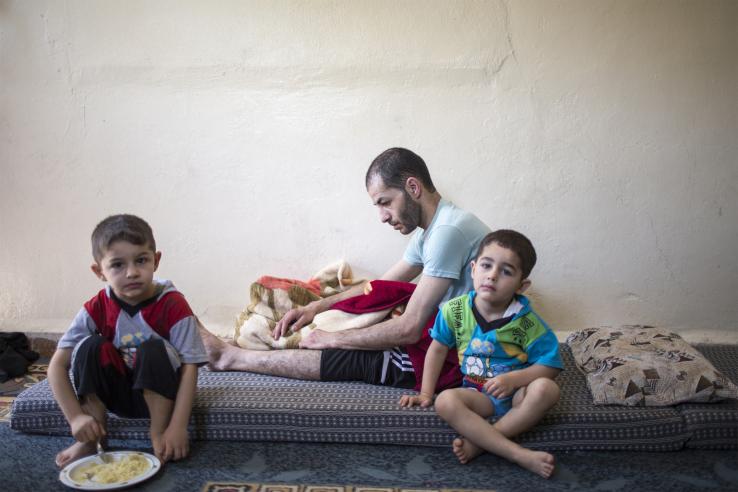
Subsidized Housing to Change the Economic Outcomes and Social Integration of Syrian Refugees in Jordan
Researchers are conducting a randomized evaluation of a subsidized housing assistance program for refugees in Jordan to assess its impact on their economic outcomes, psychological well-being, long-term migration decisions, and social integration into their host community.
Page
Landing page
Partners

Evaluation
The Impact of Stigma on Labor Market Assistance Take-Up in Egypt
Researchers studied the impact of acknowledging and refuting stigma on take-up of labor market assistance programs. The results of three randomized evaluations indicated that mentioning stigma, even with the aim of dispelling it, generally reduced take-up of these programs.

Evaluation
Improving Youth Employment Opportunities and Reducing Information Barriers through LinkedIn Training in South Africa
Young job seekers in many countries face higher rates of unemployment, underemployment, and unstable employment than older groups, caused in part by information barriers. Researchers conducted an evaluation to test the impact of LinkedIn training on labor market outcomes for young, low-income job seekers in South Africa. Providing LinkedIn training increased end-of-program employment rates by 10 percent (7 percentage points), with effects persisting for twelve months.
Person
Lina Marliani
Lina Marliani is the Executive Director of Abdul Latif Jameel Poverty Action Lab (J-PAL) Southeast Asia, which is hosted by the Institute for Economic and Social Research (LPEM FEB UI) at the University of Indonesia's Salemba campus.
Resource
Basic page
Covid-19 Messaging Working Group
The Covid-19 Messaging Working Group was formed to develop insights and implement strategies at scale for better communication on Covid-19. It includes economists, physicians, and epidemiologists.
Blog
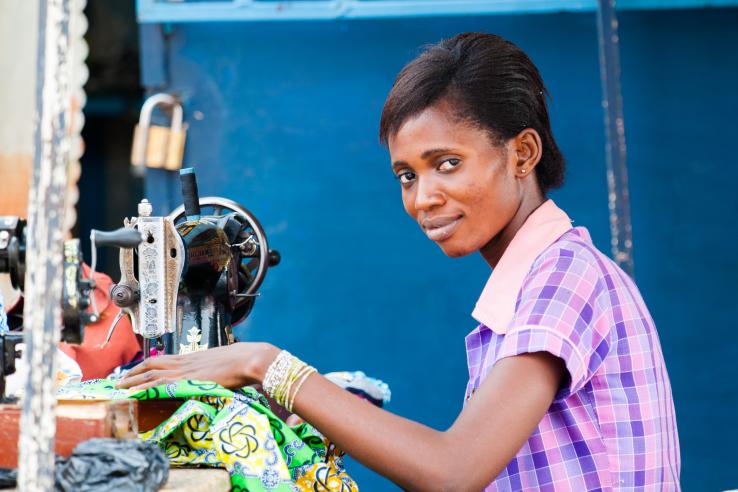
Reflecting on J-PAL’s Jobs and Opportunity Initiative’s first year
Quality employment is one of the many ways people can graduate from poverty. Yet, unemployment remains is a problem that has only become more salient through the COVID-19 pandemic. Over the course of 2020, the Jobs and Opportunity Initiativehas funded more than twenty projects that seek to answer...
Evidence to Policy Case Study
Case study
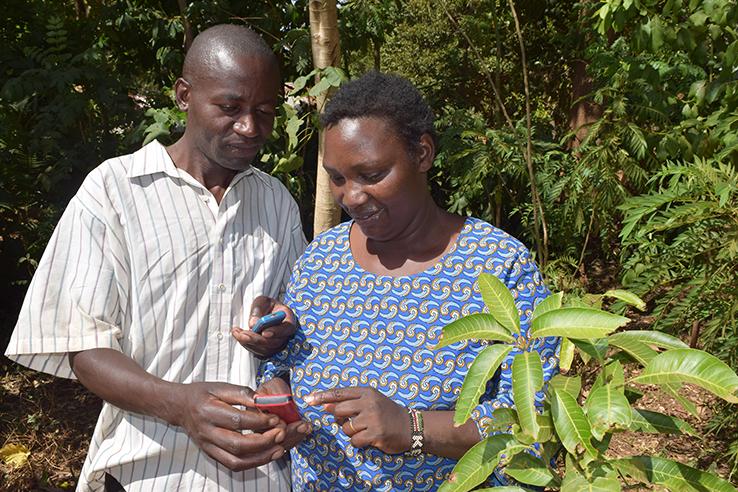
Phone-based technology for agricultural information delivery
In this Evidence to Policy case study, see how Precision Development leveraged findings from two randomized evaluations to create and diffuse a new mobile-phone based model for agricultural extension.
Blog
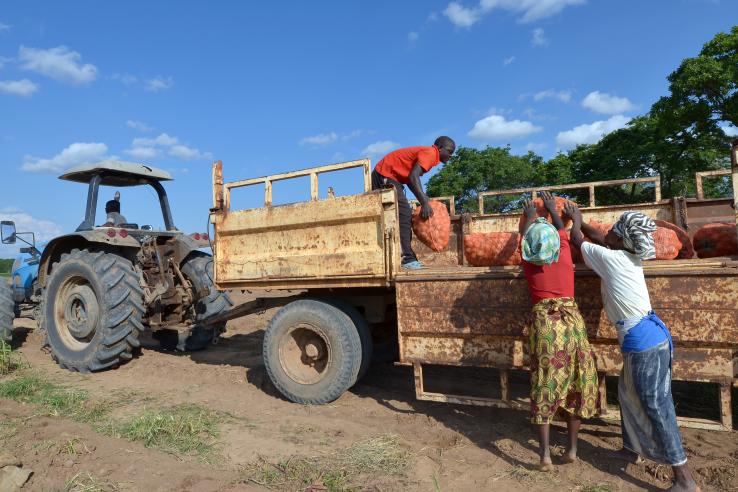
Affiliate Spotlight: Kelsey Jack
J-PAL affiliate Kelsey Jack is leading a movement of climate-focused research within development economics and poverty alleviation through her own research and as co-chair of the King Climate Action Initiative.