

Displaying 3256 - 3270 of 7226

Evaluation
The Impact of Personalized SMS Messages to Parents on Student Achievement in Kenya
Researchers are partnering with Bridge International Academies to evaluate the impact of an SMS-based information provision program on students’ learning outcomes in Kenya.
Blog
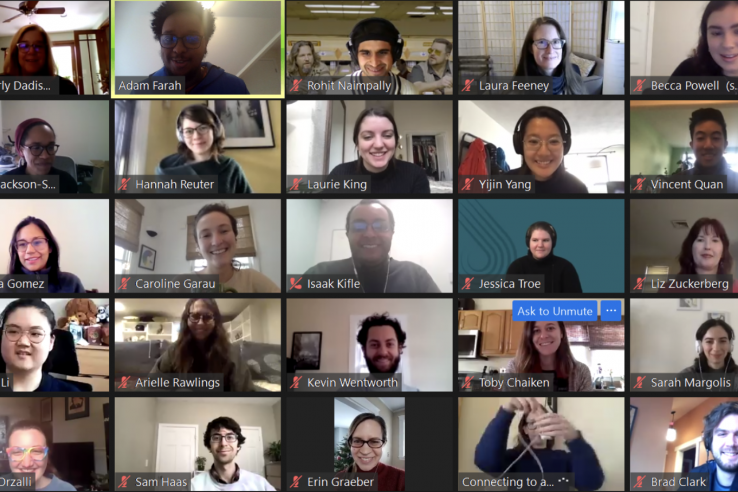
J-PAL North America's reflections on 2020
J-PAL North America Executive Director Mary Ann Bates reflects on the last year in this post.
Evaluation
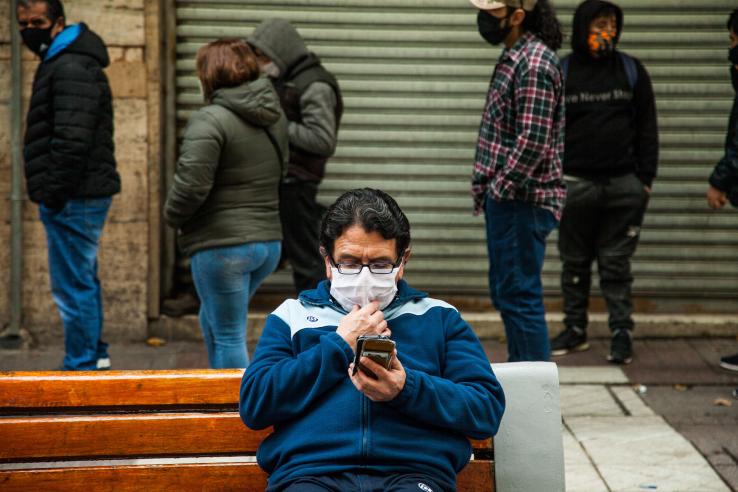
Impact of Covid-19 Stimulus Packages on Small and Medium Enterprises in Chile
Researchers are conducting a randomized evaluation to test the impact of Chile’s economic stimulus package on the profits and survival of SMEs.
Evaluation
The Impact of Emergency Job Retention Assistance on Labor Market Outcomes for Informal Firms and Workers in Ghana
Researchers are conducting a randomized evaluation to test the impact of providing emergency job retention assistance to firms and workers on firm survival, worker-firm match survival, and labor market outcomes for firm owners and workers in Ghana’s informal sector. Research is ongoing; results are forthcoming.
Evaluation
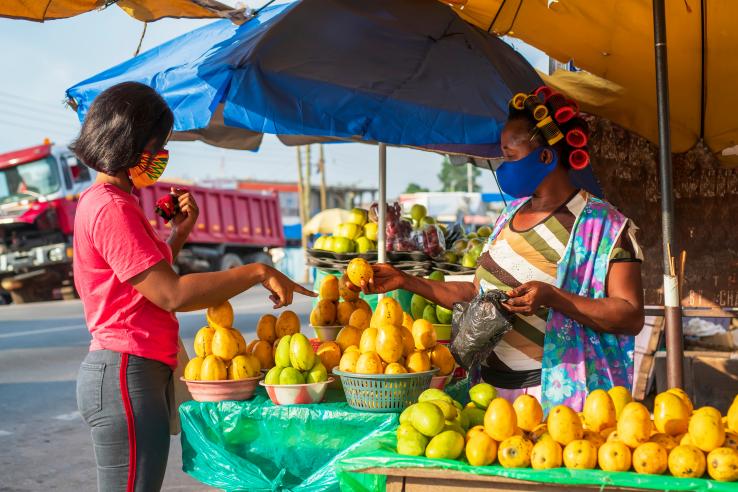
Cash Transfers During a Pandemic: Evidence from a Kenyan Slum
Researchers conducted a randomized evaluation to test the impact of providing cash transfers to female entrepreneurs during the pandemic on their business outcomes and behavior. Firm profit, inventory spending, and food expenditures all increased for business owners that received the cash transfer. Additionally, the transfers caused a re-opening of previously closed businesses; however, PPE spending and precautionary management practices only increased among those who perceived Covid-19 as a major health risk.
Evaluation
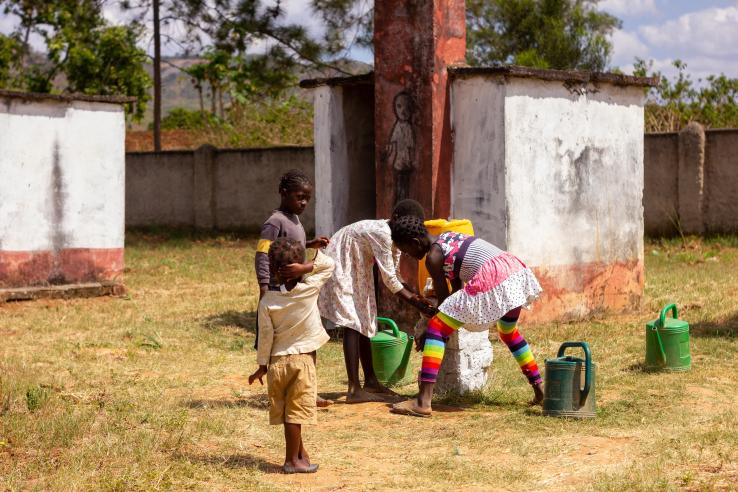
The Impact of Mobile Money on the Purchase of Improved Sanitation Services in Senegal
The proliferation of mobile money across low- and middle-income countries has led to increased availability of mobile payment systems, which can potentially allow more flexible payment terms for customers. Subsidies increased the use of mechanized desludgings, while pre-paid deposit requirements had no impact on their use. The flexibility of being able to save in advance in an earmarked savings account through the save-at-will treatment increased take-up through the program, but did so at the expense of take-up outside the program.
Evaluation
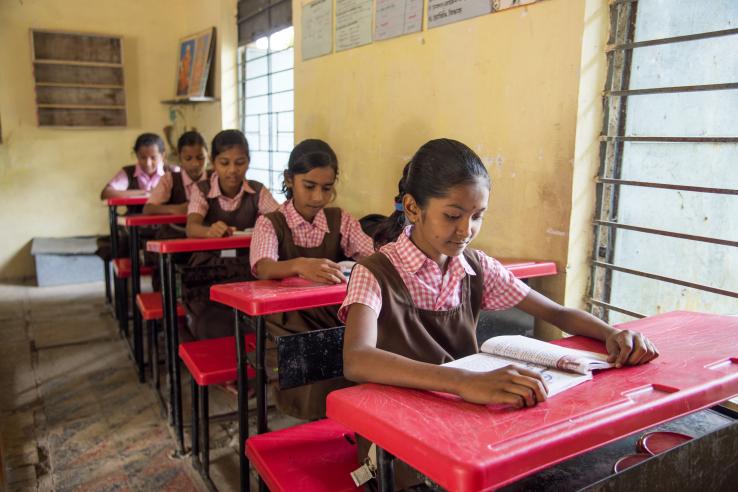
The Impact of Sustained Cognitive Effort on Student Performance in India
Researchers evaluated the impact of practicing sustained cognitive activity on cognitive endurance and school performance in Lucknow, India. Students that spent additional time engaging in sustained cognitive effort received higher grades in all of their classes, improved their performance on tests, and appeared more attentive in the classroom.
Evaluation
Accelerating Changes in Norms about Social Distancing to Combat COVID-19
Researchers are conducting a randomized evaluations to test the impact of different types of public health messaging on the practice of social distancing.
Evaluation
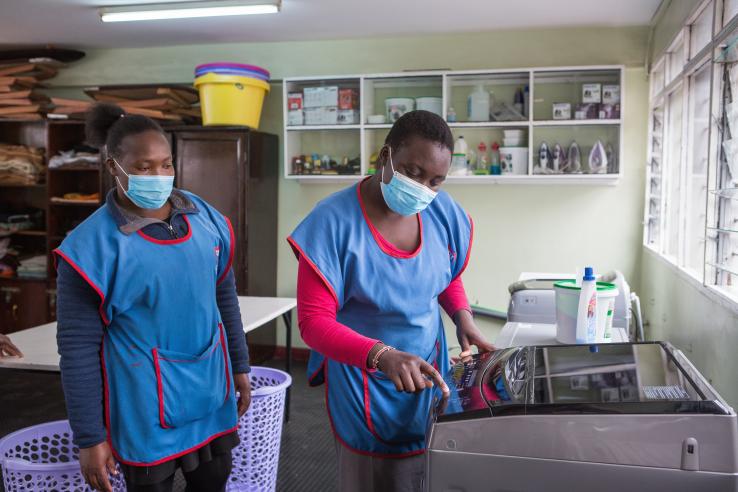
Mask Up! Testing strategies to increase mask use in Kenya
Although conflicting recommendations have been issued, recent evidence suggests that face masks may significantly reduce the spread of SARS-CoV-2. However, questions remain on how to effectively promote mask adoption. Research are conducting a randomized evaluation to evaluate the impact of free mask distribution combined with educational interventions on mask adoption in Kenya.
Evaluation
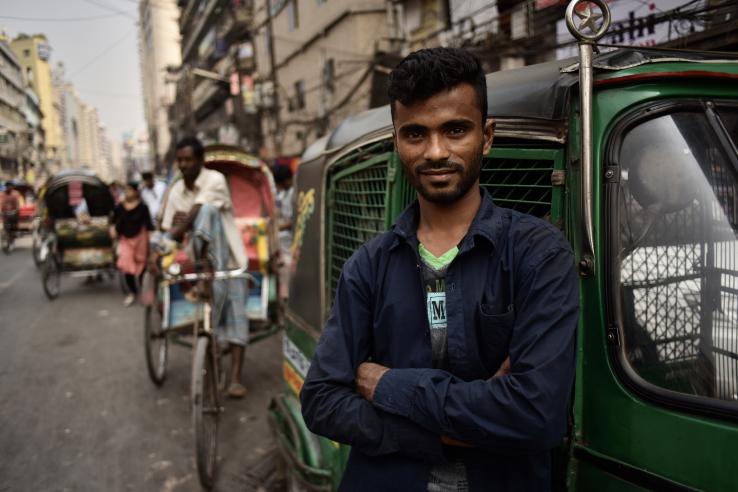
Increasing Caloric Intake to Improve Hours Worked, Earnings, and Physical and Cognitive Abilities in India
Low-income populations throughout the world often consume very few calories. At the time of this intervention in 2013, over 800 million people globally consumed fewer calories than were recommended to maintain a healthy weight. However, the impact of low caloric intake on economic productivity is not well researched. Researchers conducted a five-week randomized evaluation to test the impact of increased caloric intake on hours worked, earnings, and physical and cognitive ability for cycle-rickshaw drivers in Chennai, India. Drivers who consumed daily snacks worked and earned more and performed better on cognitive and physical tasks relative to drivers that received an equivalent value of cash. Supplemental survey data suggests that inaccurate beliefs and knowledge about the returns to calories and the caloric content of food may drive lower than recommended calorie consumption.
Evaluation
Giving effective information to fight COVID-19
Researchers are conducting a randomized evaluation to test the impact of public health messages on hand washing and compliance with government mandated guidelines in Mexico.
Page
Landing page
Affiliated Professors
Blog
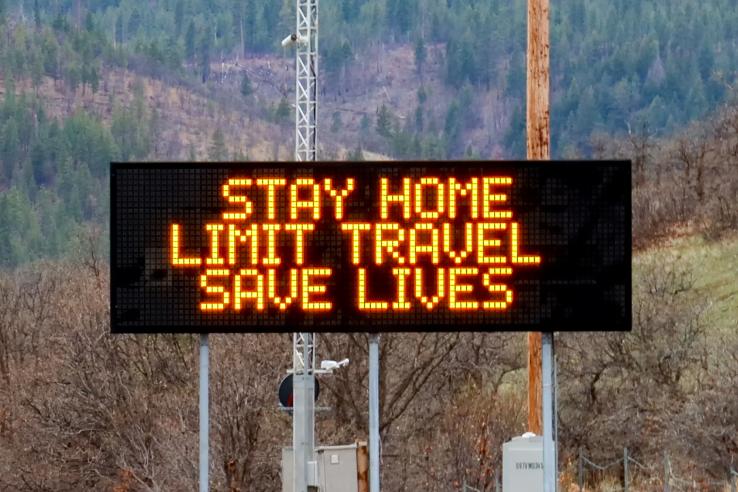
Encouraging adherence to preventive health guidelines during a pandemic: Lessons from rigorous Covid-19 evidence
This note provides an overview of the evidence from randomized evaluations that has come out during the Covid-19 pandemic thus far to combat these barriers. These general lessons on increasing uptake of healthy behaviors and improving the delivery of health products and services may be of value in...
Evaluation
The Impact of Messaging and Incentives on Survey Response Rates to Understand Barriers COVID-19 Testing in the United States
To better understand barriers to COVID-19 testing for underserved communities, researchers evaluated the impact of varying flyer messaging and survey incentive rates on survey responses. Researchers will use survey responses to identify the most important barriers to testing and potential community leaders to effectively disseminate vital public health information. This research is ongoing. Results forthcoming.

Evaluation
The Impact of Virtual Summer Instruction on Student Learning Loss during the COVID-19 Pandemic in the United States
COVID-19 school closures have led to widespread student learning loss in the United States. Researchers are evaluating the impact of individualized, virtual summer instruction on redressing these losses. This project is ongoing. Results forthcoming.