

Displaying 7816 - 7830 of 8537
Evaluation
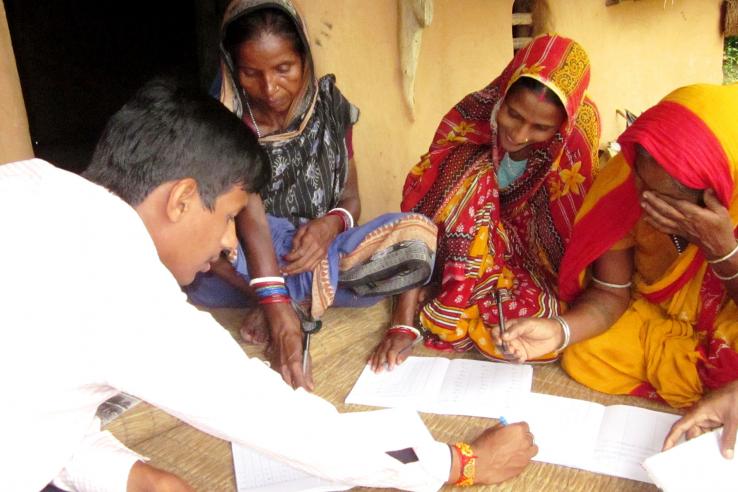
The Impact of a Multi-faceted Livelihoods Program on Low-income Households in India
In India, researchers partnered with Bandhan Konnagar to evaluate the impact of a multi-faceted livelihoods program known as the Graduation approach, which aims to encourage occupational change among people living in extreme poverty. The Graduation approach had large and positive effects on economic well-being and health over the long term, even ten years after the productive asset transfer.
Evaluation
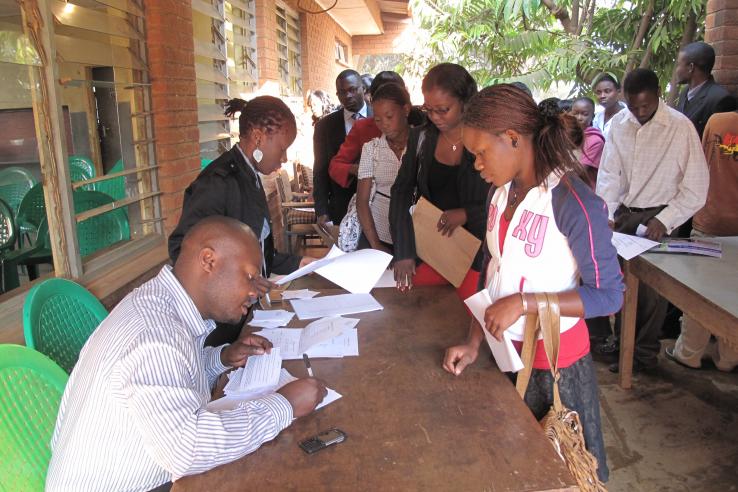
The Impact of Job Networks on Women's Recruitment in Malawi
Researchers introduced a recruitment drive for a firm in Malawi to evaluate the impact of referral-based hiring on women’s employment at the company. Results from the randomized evaluation indicate that men systematically referred fewer women, and women’s referral of other qualified women was not enough to offset men’s behavior.
Evaluation
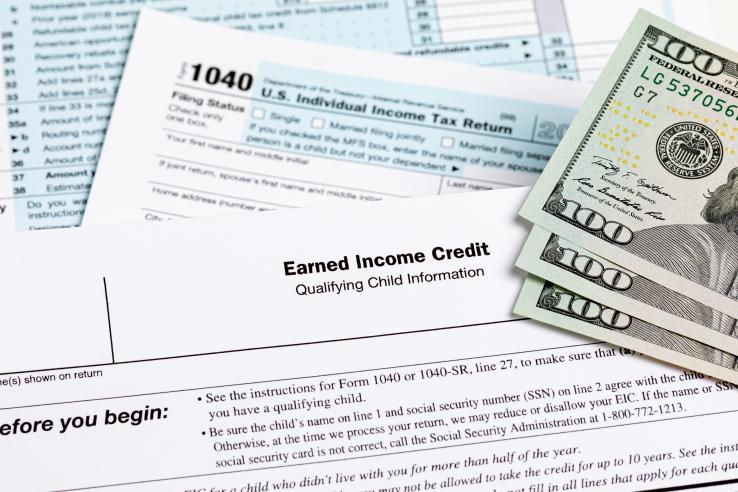
Increasing Take-Up of the Earned Income Tax Credit
Across six randomized evaluations, researchers studied the impact of low-cost, low-touch informational interventions, or “nudges,” on take-up of the federal and state Earned Income Tax Credit (EITC) in California. None of the interventions had an impact on EITC take-up, suggesting that information alone may be insufficient to overcome administrative burdens.

Evaluation
Influencing Higher Education Choices through a Customized Digital Application Platform in the Dominican Republic
Researchers are partnering with the Government of the Dominican Republic to introduce a custom tablet application to prospective students on what tertiary education programs, scholarships, and funding options exist based on their interests and finances, as well as employment rates and earnings potential by university and major
Evaluation
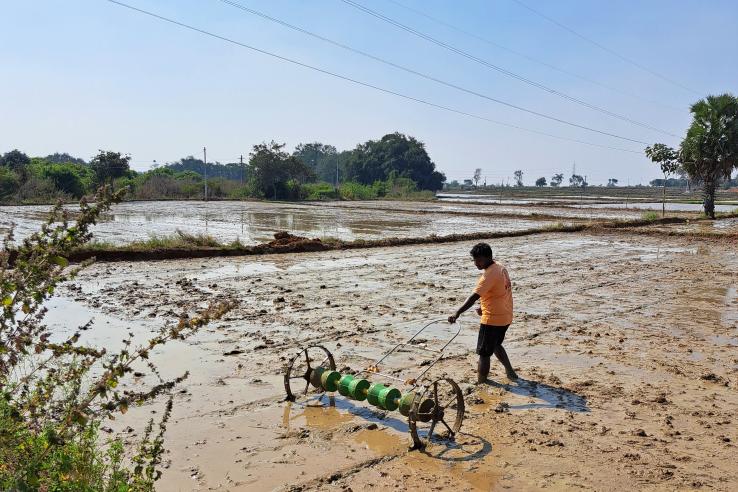
Leveraging Local Governments to Support Rice Mechanization in India
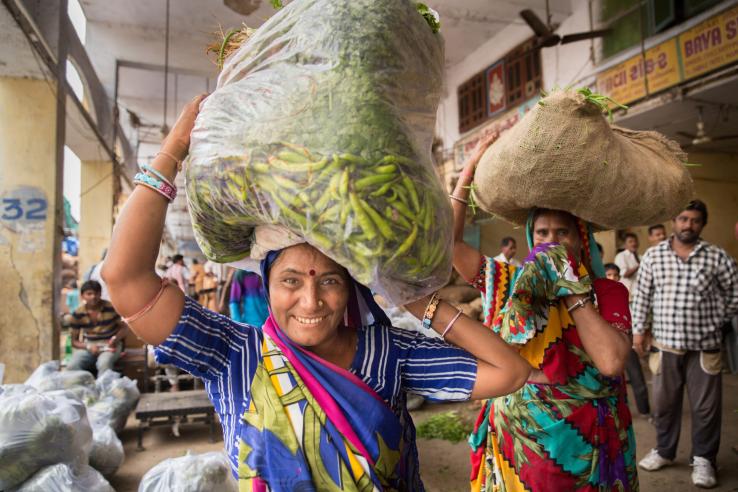
Working with local government leaders and agricultural extension agents, the researcher is conducting a randomized evaluation to test the impact of promoting a mechanization technology. Uniquely, the researcher will closely track how employment shifts for women who formerly did the mechanized work.
Evaluation
The Impact of Correcting Men's Misperceptions of Beliefs about Gender: Implications for Female Labor Participation and Time Use in India
In India, researchers are conducting a randomized evaluation to test the effects of providing men with correct information about other men’s views of women’s labor market participation.

Evaluation
Providing Information on the EITC to Increase Amounts Received in the United States
Researchers sought to determine whether providing information on the EITC could increase the amount individuals received by randomizing the information professional tax preparers supplied. They found that providing more information did not increase EITC transfers or annual earnings overall.
Evaluation
Street Police Patrolling Effects To Reduce Crime Against Women in Public Spaces in India
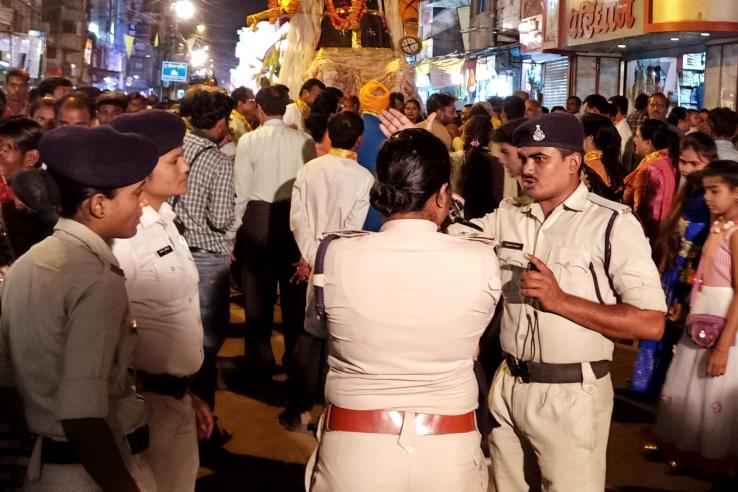
In partnership with the Hyderabad City Police (HCP), researchers conducted a randomized evaluation to test the impact of a police patrolling program aimed at improving women’s safety on the frequency of sexual harassment and women’s freedom to move around in public spaces. The presence of uniformed officers in public spaces reduced instances of severe forms of sexual harassment and led to fewer women relocating from the patrolled areas.
Evaluation
Safe Cities: Improving the Citizen-Police Interface in Pakistan
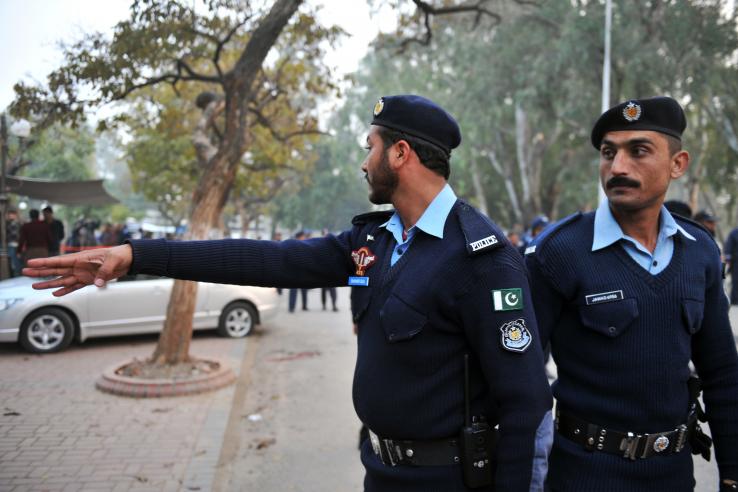
Researchers partnered with the Punjab Safe Cities Authority to evaluate how to improve citizen’s access to and experience with police services.
Evaluation
Institutional reform and de facto women’s rights in Punjab, Pakistan
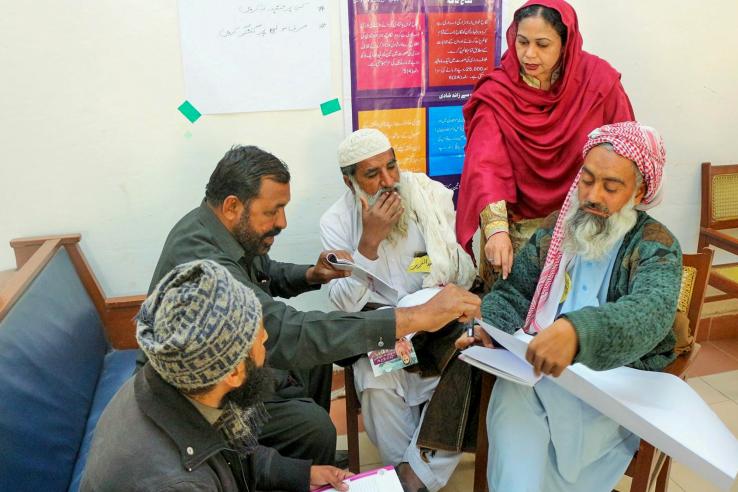
Researchers are partnering with the Punjab Commission on the Status of Women to evaluate the impacts of a training program for registrars on their knowledge of and adherence to the law.
Evaluation
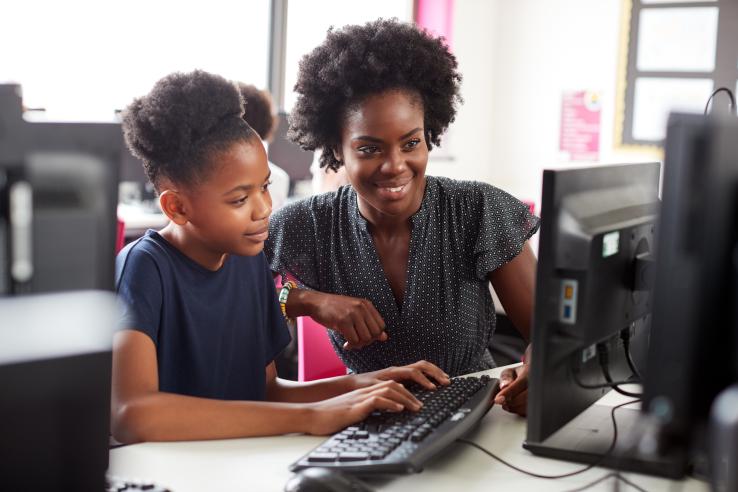
Leveling the Playing Field for High School Choice: A Field Experiment of Informational Interventions in the United States
Researchers evaluated the impact of several informational interventions with different modes of delivery and customization levels on high school choice outcomes among middle school students in New York City. All interventions made students less likely to rank a low graduation rate high school as their first choice and less likely to apply to any low graduation rate schools
Evaluation
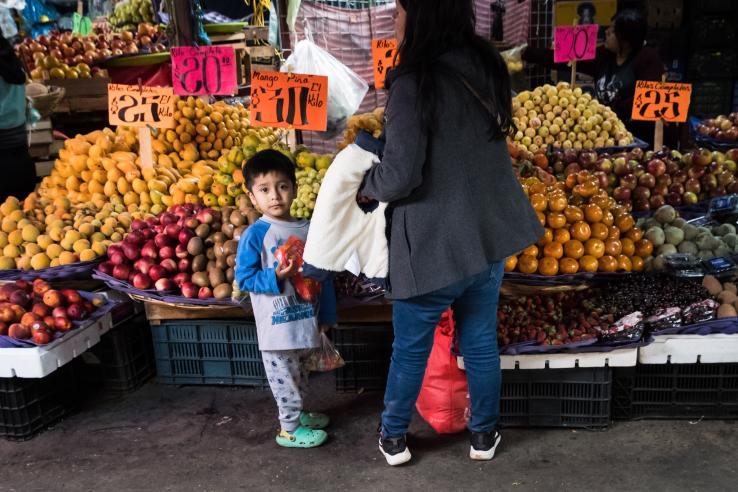
The Impact of PROGRESA on Health in Mexico
Conditional cash transfer (CCT) programs are designed to incentivize parents to invest in their children's health and wellbeing, while providing cash transfers to improve their current welfare. Researchers evaluated the impact of Mexico’s national CCT program (“PROGRESA”) on a wide range of health outcomes. Preventive care utilization increased by more than half, and both children and adults experienced significant improvements in health. Children experienced fewer illnesses, a reduction in anemia, and an increase in height.
Evaluation
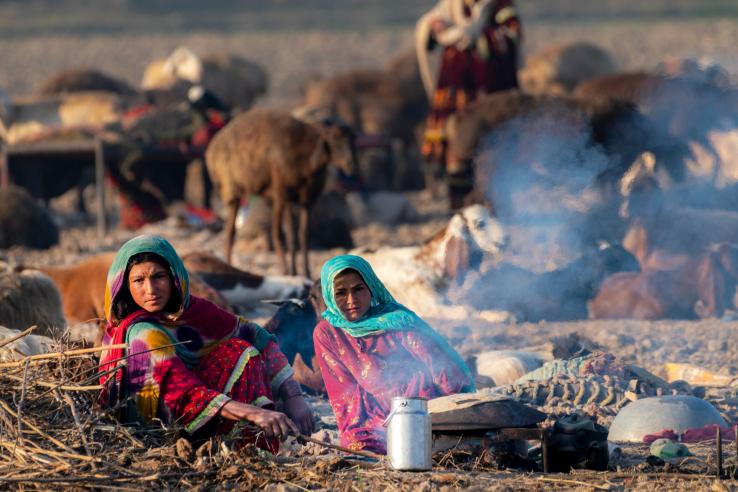
Afghanistan Targeting the Ultra-Poor Impact Evaluation
In Afghanistan, researchers evaluated the impact of a Targeting the Ultra Poor program on poverty reduction. The cost-effective program generated large positive impacts for women participants across key outcomes: consumption, assets, psychological well-being, total time spent working, financial inclusion, and women’s empowerment.

Evaluation
Using Peer Pressure to Encourage Handwashing in Argentina
Researchers examined the impact of peer pressure on handwashing behavior by varying whether men using a restroom in Buenos Aires, Argentina were observed by another restroom user. They found that being observed increased urinal flushing by 26.7 percent and handwashing by 19 percent, suggesting that peer pressure might be an effective way to increase socially desirable behaviors.
Evaluation
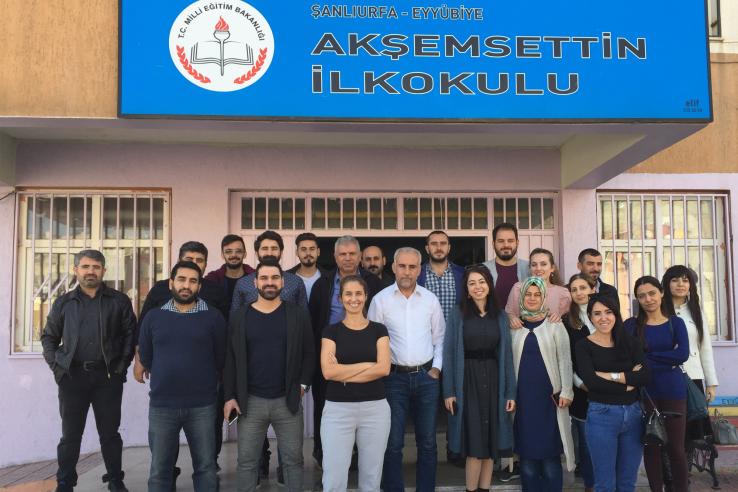
Teaching Students Perspective-taking to Mitigate Social Exclusion of Refugee Children in Turkey
Researchers partnered with the Ministry of Education in Turkey to conduct a randomized evaluation of Understanding Each Other, a program which aims to foster social cohesion through perspective-taking activities that encourage students to consider others’ perspectives. They found that the program improved students’ perspective-taking abilities, encouraged students to be more inclusive, and reduced peer violence.