

Displaying 1981 - 1995 of 7216
Blog
Pandemic provides unprecedented opportunities to take justice online
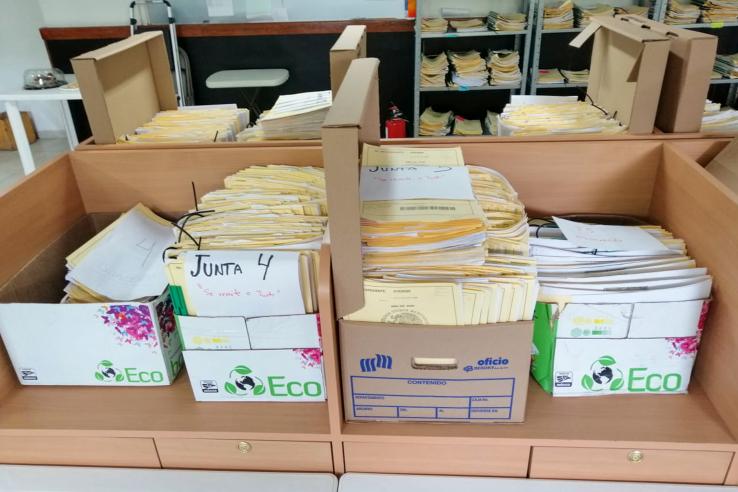
Labor courts in Mexico and many other low- and middle-income countries often provide low quality services. Since 2015, we have partnered with the Mexico City Labor Court, one of the largest courts dealing with firing cases in Latin America, to innovate in improving the court’s functioning.
Evaluation
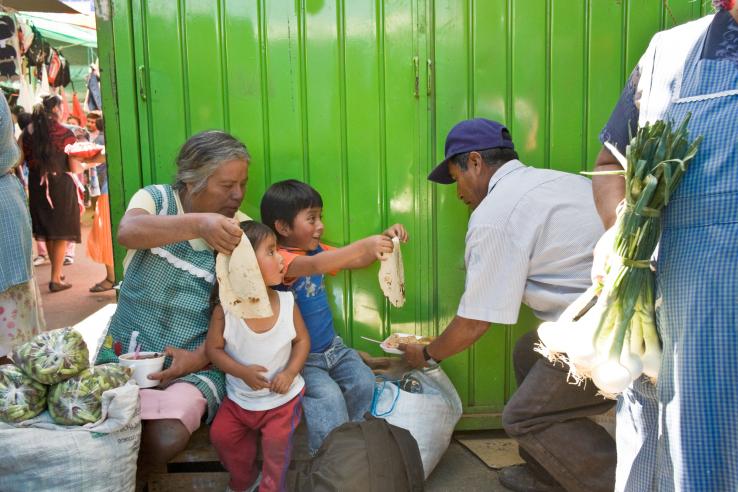
Family Networks, Consumption, and Investment in Mexico
Researchers studied a government-funded conditional cash transfer program to evaluate the impact of family networks on consumption and investment decisions for low-income households in Mexico. Food expenditure increased among both eligible connected households and ineligible households connected to families who were offered the program.
Evaluation
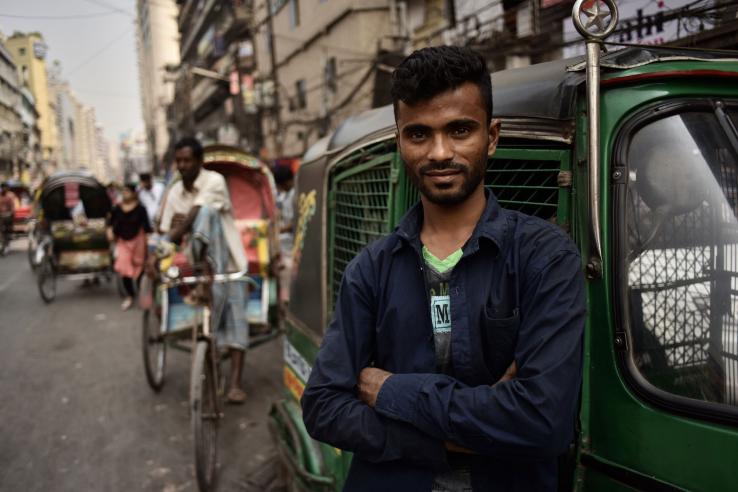
Temporary Labor Migration as Mitigation: Strategies for Managing Seasonal Famine in Bangladesh
Can monetary incentives induce rural farmers to migrate to cities and pursue seasonal labor opportunities during times of famine?
Evaluation
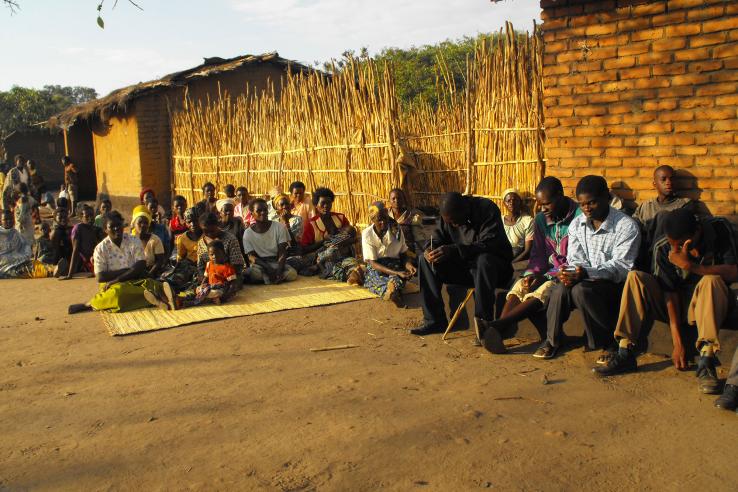
Promoting Sustainable Farming Practices in Malawi
Researchers conducted a randomized evaluation to test the impact of leveraging social networks to disseminate information about two technologies, pit planting and “Chinese composting,” on farmers’ adoption of these methods. Providing performance-based incentives to peer farmers had the biggest effect on technology adoption.

Evaluation
Targeting Central Lead Farmers to Boost Agricultural Technology Adoption in Malawi
Researchers conducted a randomized evaluation to test whether the position of a trained lead farmer within a community’s social network affected other farmers’ decisions to adopt a new agricultural technology in Malawi. Results suggest that having access to multiple lead farmers/central individuals has the potential to increase adoption and speed the diffusion process of the technology.
Evaluation
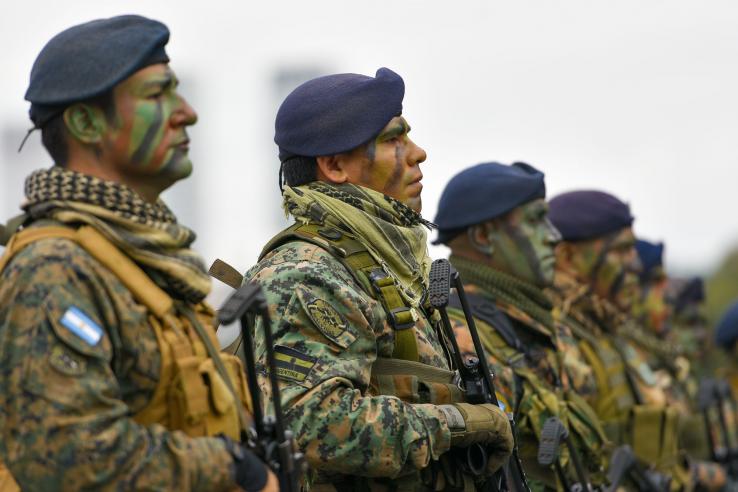
Military Conscription and Crime in Argentina
Researchers evaluated the effect of Argentina’s lottery-based conscription on draftees’ criminal activity. They found that conscription increased crime rates among draft-eligible Argentinians, especially those serving longer or during times of war.

Evaluation
Slum Housing Upgrading in El Salvador, Mexico, and Uruguay
Researchers measured the impact of improving the quality of slum housing on household wellbeing in El Salvador, Mexico, and Uruguay. Residents were selected to receive housing upgrades by lottery. Results show that slum upgrading significantly improved satisfaction with quality of life. In two countries positive and significant effects are detected in child health. In El Salvador, significant and positive effects are observed in the perception of safety. Finally, no effects are detected in labor market variables and in the accumulation of durable goods.

Evaluation
Discrimination in Hiring and Anonymous CVs in France (CV Anonymes)
In collaboration with the French employment agency Pôle Emploi, researchers evaluated whether interview and hiring rates of minority candidates changed when employers collect anonymous resumes. Making resumes anonymous did not affect the average number of interviews and job offers volunteer firms made, the length of the hiring process, or the use of other recruitment channels, but it reduced the likelihood that firms interview and hire minority candidates.
Evaluation
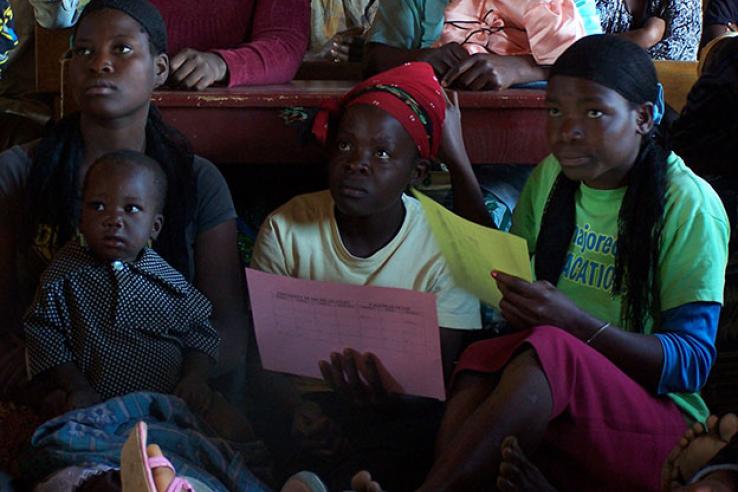
Price Sensitivity and Usage of Formal Transportation in Rural Malawi
In Malawi, researchers used a randomized evaluation to study the introduction of a daily minibus service that connected five rural villages and the nearby market town. Although a majority of households used the new bus service, demand was very sensitive to price and was never sufficient to cover operational costs.
Evaluation
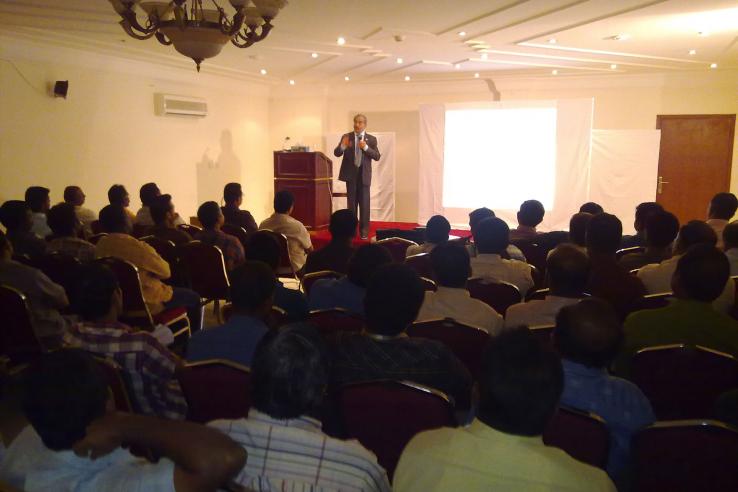
Financial Education for Indian Migrant Workers in Qatar
Researchers examined the impact of receiving an invitation to a savings-focused financial literacy workshop on the financial decisions of Indian migrant workers in Qatar and their wives in India. A one-time financial literacy workshop in Qatar increased migrant workers’ joint financial decision-making with their wives. Among migrant workers with initially low savings, the workshop also increased total savings.
Evaluation
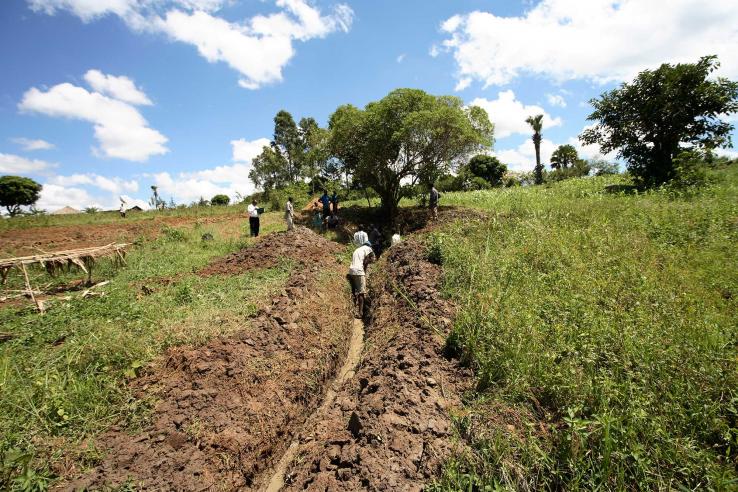
Encouraging Adoption of Rainwater Harvesting Tanks Through Collateralized Loans in Kenya
In partnership with Nyala Dairy Cooperative, researchers evaluated the impact of offering asset collateralized loans for rainwater harvesting tanks on both credit access for dairy farmers and profitability for the lender. Using the tanks as loan collateral led to higher take-up of loans by farmers without worsening repayment or leading to losses for the lender and also allowed farmers to invest in an agricultural technology.

Evaluation
The Impact of Alternative Fundraising Schemes on Charitable Giving in Germany
Researchers partnered with the Munich Opera House to conduct a randomized evaluation measuring the impact of a large-scale mail fundraising scheme on the frequency and amount of donations. While neither the presence of a lead donor nor differences in matching schemes affected the response rate to the mailer, having a lead donor nearly doubled the average amount donated.
Evaluation
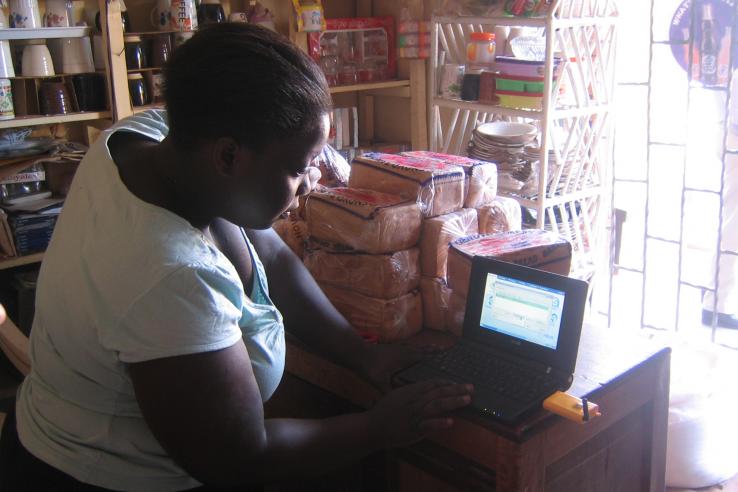
Network Effects between Small & Medium Enterprises in Uganda
Many governments and organizations use finance and management training as a tool to promote small and medium enterprise growth in developing countries, but it is not clear whether or how information from these trainings is shared across SMEs operating in the same area.
Evaluation
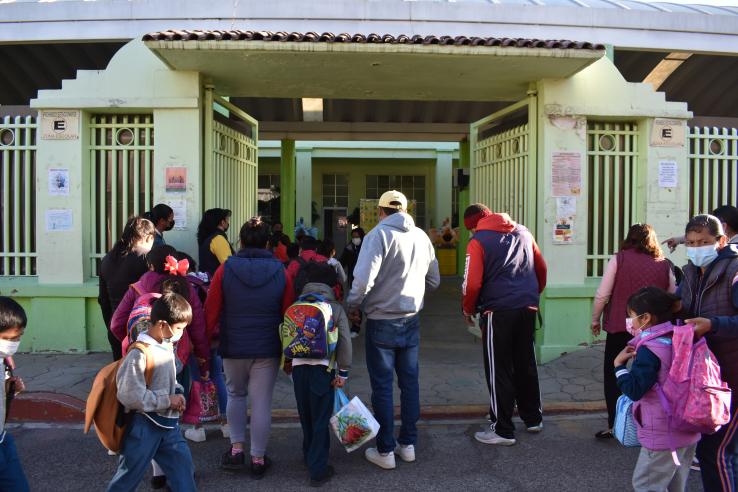
The Impact of Financial Incentives on School Participation in Mexico
In Mexico, researchers evaluated the impact of PROGRESA, a national CCT program, on both school enrollment and child wages.
Evaluation
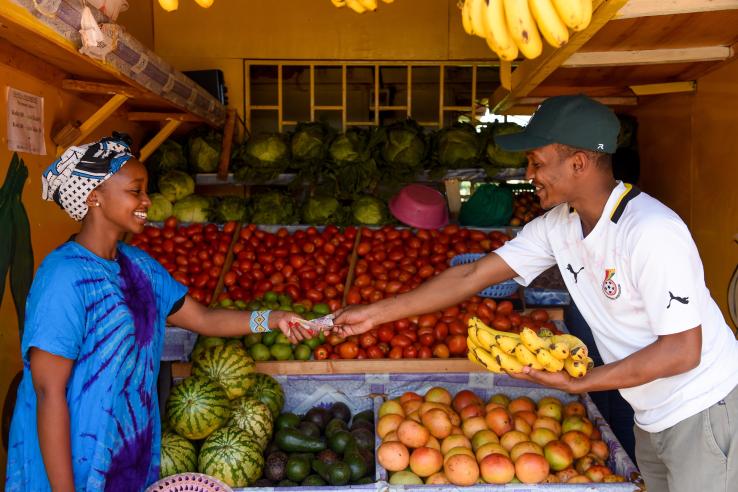
Credit, Change, and Lost Sales: A Field Experiment Among Firms in Kenya
Researchers in Kenya issued a questionnaire to firms which may have made lost sales and profits due to poor change management became more salient. A second intervention more explicitly emphasized the costs of having insufficient change. Highlighting the importance of carrying correct change helped firms to change their behavior and increase profits.