

Displaying 1021 - 1035 of 1309
Evaluation
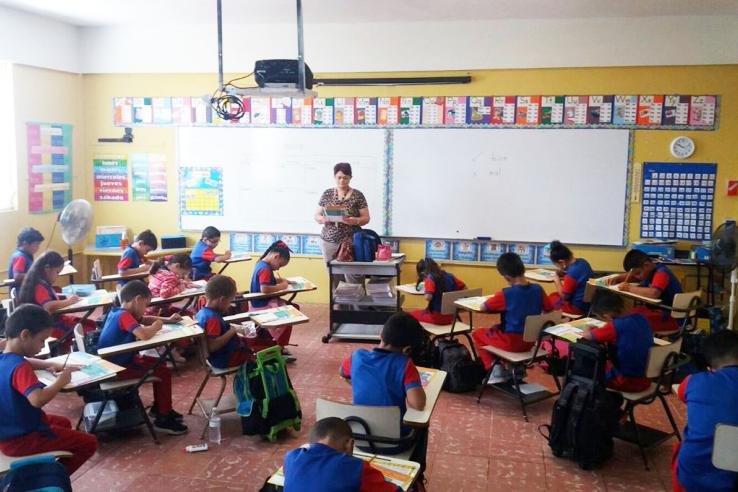
Principal Training to Improve Student Achievement in Puerto Rico
Researchers are evaluating the impact of changes in school management practices on student outcomes over time by introducing a large-scale principal training program for school directors in Puerto Rico and testing different strategies to sustain improved management practices after the program.

Evaluation
Price Incentives to Improve Coffee Quality in Uganda
Researchers are conducting a randomized evaluation to test whether providing traders “bonuses” for high-quality coffee affects the prices traders offer farmers for their coffee and whether this, in turn, affects farmers’ incentives to invest in the quality of their production.

Evaluation
A Multifaceted Approach to Increase Women’s Empowerment in the Democratic Republic of Congo
Researchers evaluated a multifaceted program for women experiencing extreme poverty in the Democratic Republic of Congo, a region facing protracted conflict. The intervention had positive and enduring effects on women’s consumption, employment, finances, and empowerment, and small positive impacts on health outcomes.

Evaluation
The Value of Communication for Mental Health in Ghana
Re searchers used a randomized evaluation to measure the impact of providing mobile calling credits to low-income adults on well-being outcomes in Ghana. Overall, the mobile credit intervention increased the ability for individuals to meet unexpected communication needs, particularly when delivered in installments, leading to meaningful improvements in mental health and modest decreases to domestic violence.
Evaluation
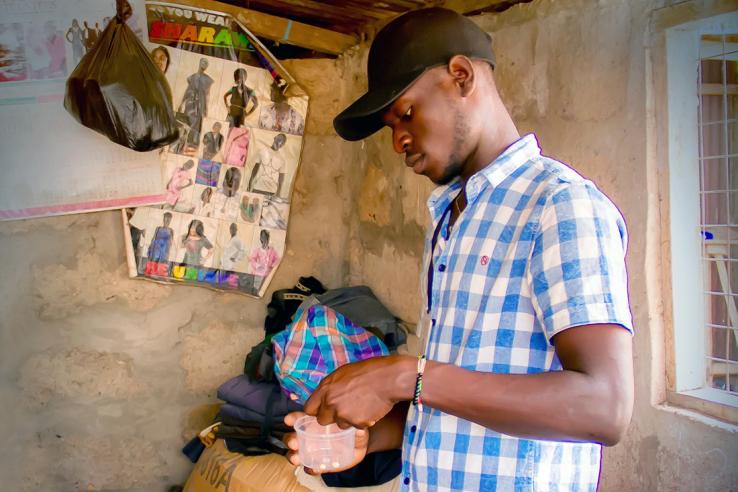
Providing Endowments to Improve Bargaining Outcomes for Microentrepreneurs in Ghana
Researchers randomly provided more or less cash to garment-making firm owners in Ghana before a bargaining game to evaluate the impact of endowment on the negotiated sale price of a good. Owners of garment-making microenterprises with lower household liquidity agreed to lower sale prices during the bargaining process, suggesting that the prior wealth of microentrepreneurs who participate in bargaining may impact how much they are able to earn.
Evaluation
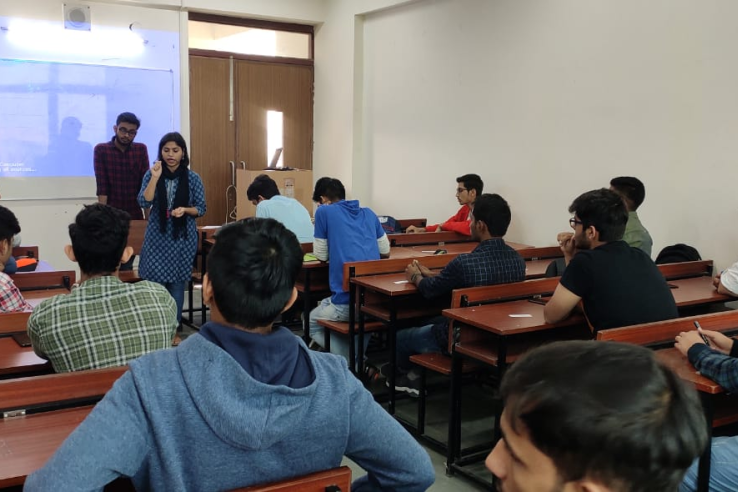
The Impact of Sexual Harassment Awareness Training on Attitudes and Norms in India
The researcher evaluated the impact of a sexual harassment training on the incidence of sexual harassment, opposite sex relationships, and attitudes and beliefs towards sexual harassment in India. Overall, the training reduced extreme forms of sexual harassment in the short run and intermediate forms of harassment in the long run, likely by changing men’s beliefs about others' attitudes to sexual harassment. The training also reduced opposite sex romantic relationships between classmates.
Evaluation
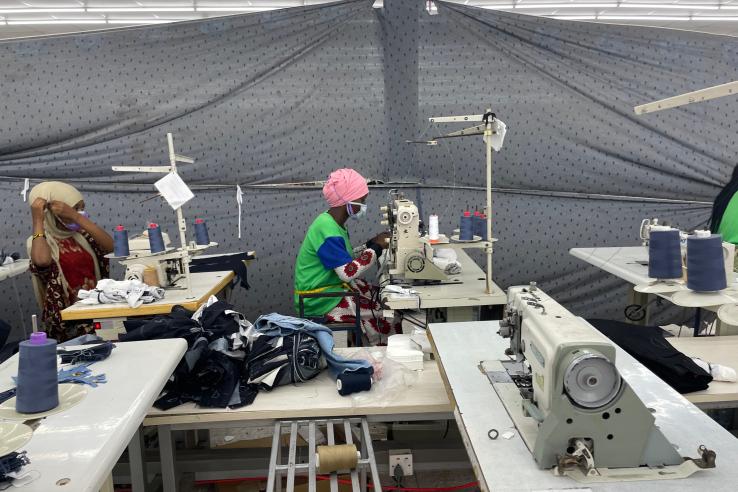
Gender Differences in the Workplace: Evidence from a Tanzanian Factory
In Tanzania, researchers are conducting a randomized evaluation to test the impact of factory employment and different compensation schemes on gender differences in labor market outcomes, taste for competition, and views on social and gender norms.
Evaluation
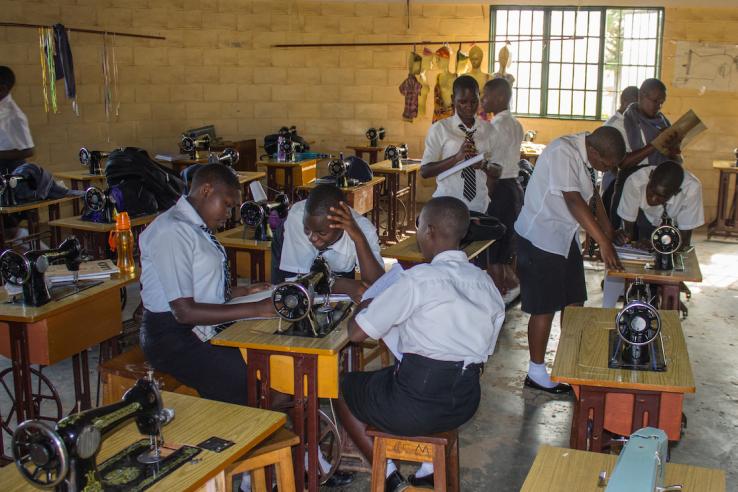
Meet Your Future – The Effect of Mentoring Ugandan Vocational Students on Employment and Earnings
In Uganda, researchers introduced a mentoring program to evaluate the impact of interactions between young, successful vocational training graduates and current vocational training students on their employment status and earnings. Students who received mentoring were more likely to be working three months after graduating, and had higher earnings a year after graduating.
Evaluation
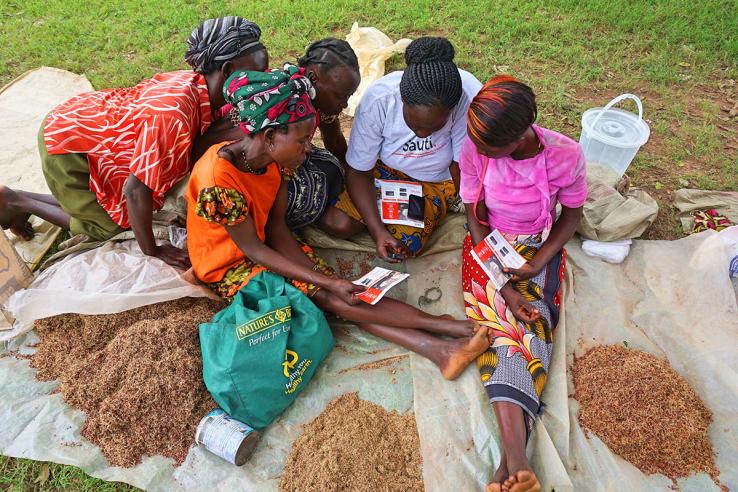
The Impact of Mobile-Based Market Information on Informal Cross-Border Trading in Kenya and Uganda
Researchers conducted a randomized evaluation to test whether reducing information disparities by giving access to critical market information through a mobile phone platform would improve traders’ profits and decrease incidences of corruption and bribery. Access to the mobile phone platform resulted in an increase in the likelihood of trading and trading being the primary source of income, profits, variety of goods sold, the number of viable buying and selling markets, official cross-border trade flows, as well as a reduction in consumer prices in selling markets.

Evaluation
Gender Violence and School Achievement in Mozambique
In Mozambique, researchers are evaluating the GBV and schooling impacts of implementing a GBV curriculum targeted at students.
Evaluation
The Direct and Indirect Effects of Female Training Interventions in a Traditional Society
Researchers are conducting a randomized evaluation to test the impact of a nursing skills training program targeting female youth based in Assiut and Sohag, Egypt, on employment outcomes on the treated group and more importantly, their local social network.
Evaluation
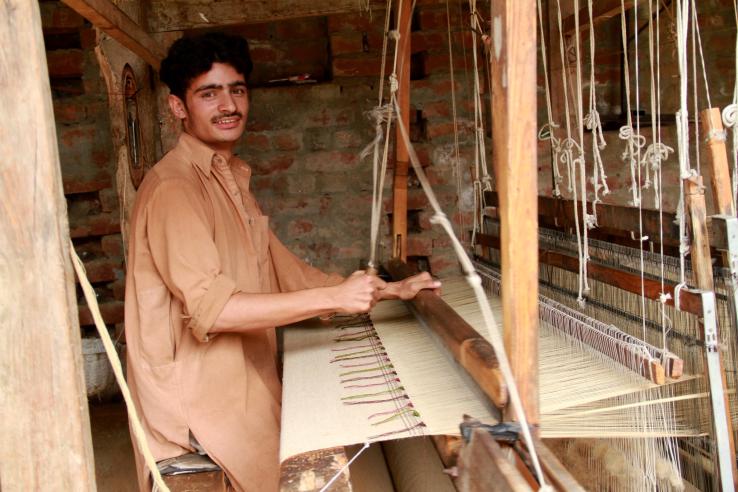
Asset-based Microfinance in Pakistan
In Pakistan, researchers partnered with a microfinance institution to conduct a randomized evaluation to test how larger asset-based loans for purchasing business equipment, combined with flexible repayment options, affected business performance and household well-being. Business owners who received these loans increased their profits, had larger businesses, and spent more on food and education, particularly for girls.

Evaluation
Information and Price Variations to Reduce Residential Energy Use in the United States
Researchers evaluated the effects of introducing price increases during peak periods and also real-time information about electricity usage to residential customers in the United States. Households that received feedback about usage reduced consumption and individuals were more responsive to pricing events that happened with more advance notice.

Evaluation
Union Leaders and Factory Workers’ Collective Action in Myanmar
Labor movements can improve workers’ lives but face great difficulty in getting workers to agree on common goals and take collective actions. In garment factory workers’ group discussions on minimum wage policies in Myanmar, researchers randomly included union leaders to study whether the presence of union leaders affected workers’ preferences and behavior. Union leaders’ presence at group discussions increased the degree of agreement between the workers’ and unions’ preferred wage levels, and made it more likely that workers participated in a subsequent group activity, suggesting that union leaders both helped form workers’ consensus and motivated them to take collective actions. Researchers found evidence that union leaders’ influence on these outcomes came from the leaders’ ability and skills rather than formal title or social ties.
Evaluation
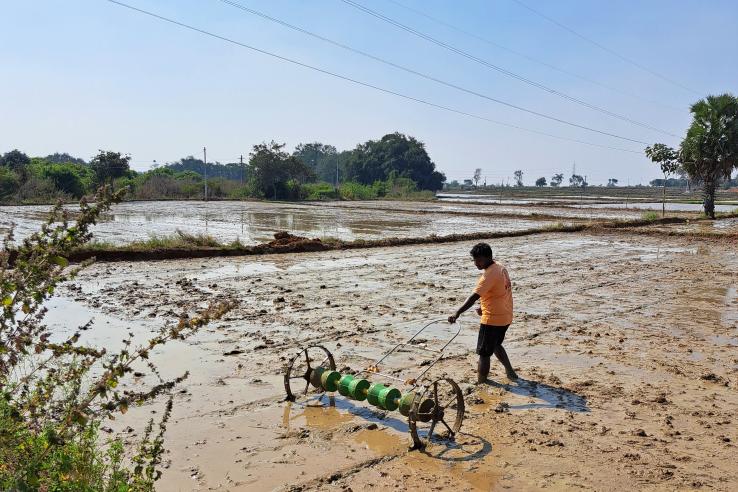
Leveraging Local Governments to Support Rice Mechanization in India
Working with local government leaders and agricultural extension agents, the researcher is conducting a randomized evaluation to test the impact of promoting a mechanization technology. Uniquely, the researcher will closely track how employment shifts for women who formerly did the mechanized work.