

Displaying 4546 - 4560 of 7225
Blog
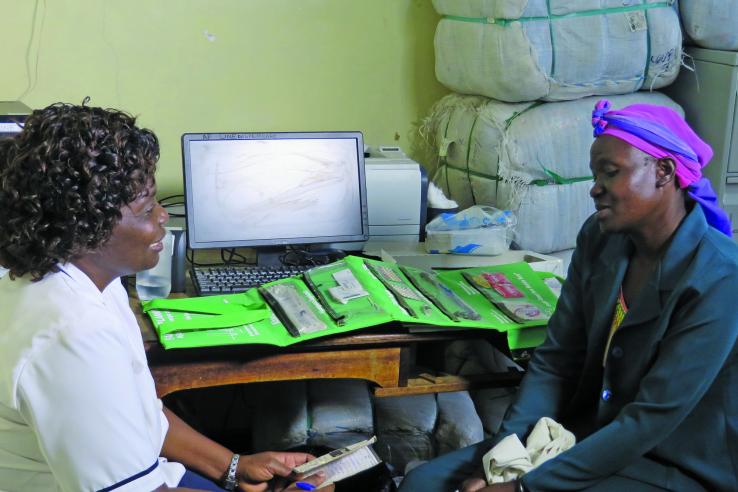
Women as decision-makers: Divergent fertility preferences, concealed contraception, and the need for impact evaluations
As of 2018, one in five women had an unmet need for modern contraceptive methods. Last week, as we marked the International Day for Maternal Health and Rights—just one year before the Family Planning 2020 goals are due to be met—we reflected on the multiple barriers preventing women from achieving...
Blog
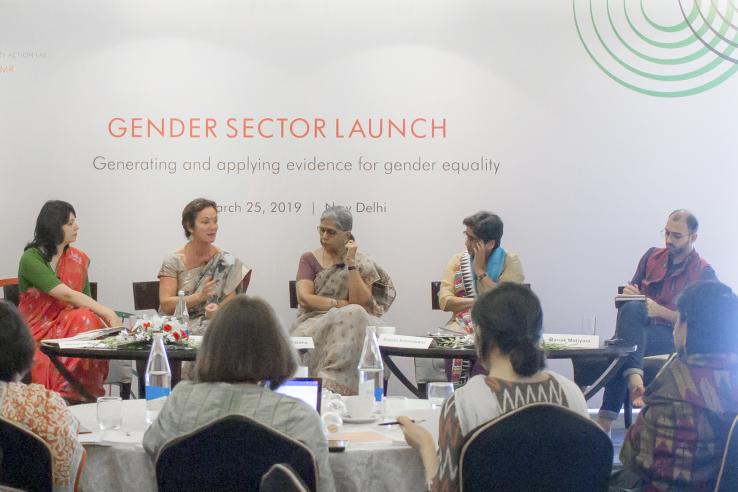
Catalyzing new partnerships for gender equality in South Asia
Program implementers, evaluators, and donors convened in New Delhi to formally launch J-PAL’s gender sector in South Asia and discuss the current context and future priorities for the sector.

Blog
Join the TaRL Africa team!
We’re looking for passionate program and policy experts to join our team and help lead efforts to expand TaRL to reach up to three million primary school students in Africa over the next five years.

Blog
We now have a Paris Agreement rulebook. Where do we go from here?
At the United Nations Climate Change Conference in December 2018 (COP24), parties agreed to a rulebook that lays out how governments will measure, report and verify emissions under the Paris Agreement. Now countries need to act—and know whether policies and programmes are meeting their climate goals...

Blog
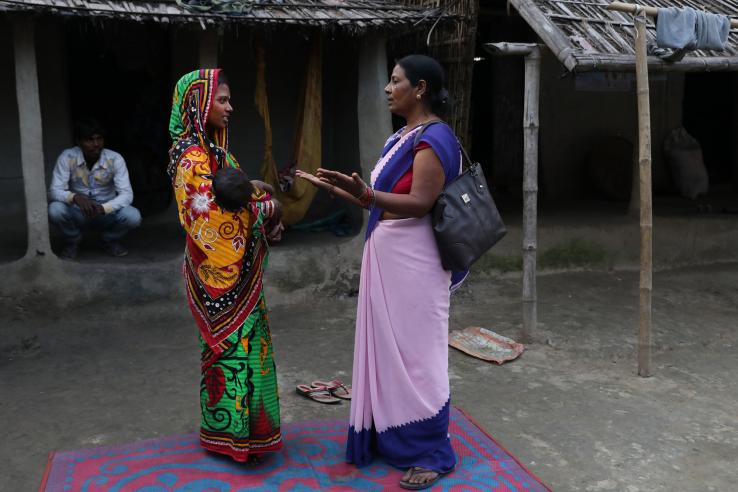
Announcing J-PAL’s new Innovations in Data and Experiments for Action (IDEA) Initiative
Around the world, vast amounts of data are now being digitally collected or stored, which creates tremendous opportunities to transform lives through better social policies. Using these data sets in creative and innovative ways to evaluate programs and therefore improve outcomes is a vital step...

Blog
Affiliate spotlight: Will Dobbie on conducting randomized evaluations to reduce inequalities in the United States
Will Dobbie is a J-PAL affiliate and an assistant professor of economics and public affairs at Princeton University. He is a recipient of a 2019 Sloan Research Fellowship, awarded to “early-career scientists of outstanding promise” in recognition of “distinguished performance and a unique potential...

Blog
Affiliate Spotlight: Paul Niehaus
Paul Niehaus is a co-founder and president of GiveDirectly, co-founder of fintech start-up Segovia, and professor of economics at the University of California, San Diego. Named one of 100 leading global thinkers by Foreign Policy magazine in 2013, Paul represents a new generation of development...
Event
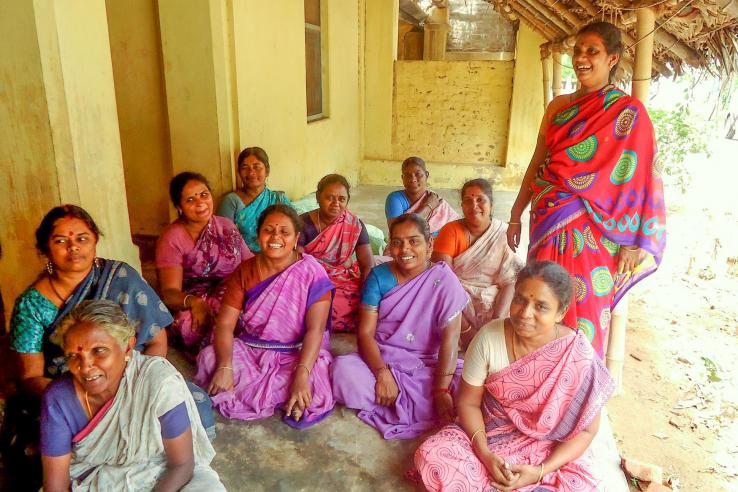
Measuring Women’s Agency, Empowerment, and Norms in Impact Evaluations: A webinar with Shagun Sabarwal
What does it mean for women to have agency? Can women’s empowerment be measured? How can we know if social norms have changed? Join us for a webinar with Shagun Sabarwal, Director of Policy, Training, and Communications at J-PAL South Asia, on strategies to measure gender outcomes—agency...


Blog
Olawunmi Ola-Busari, J-PAL ’18, balances the science of research with the art of policymaking
Olawunmi joined J-PAL Africa right after graduating college and spent three years building the office’s presence in the region. Now a graduate student in the Georgetown School of Foreign Service's Global Human Development program, she reflects on her path to international development, the experience...

Blog
Laura Abadia, J-PAL ’19, on her path from J-PAL Europe to the OECD
Laura joined J-PAL Europe after working in sub-Saharan Africa and spent nearly six years at J-PAL building the office’s presence in the region. Now working for the OECD Development Centre, she reflects on how her experiences have brought her to where she is today, and shares with us some of the...
Blog
Welcoming our first class of blended master’s students
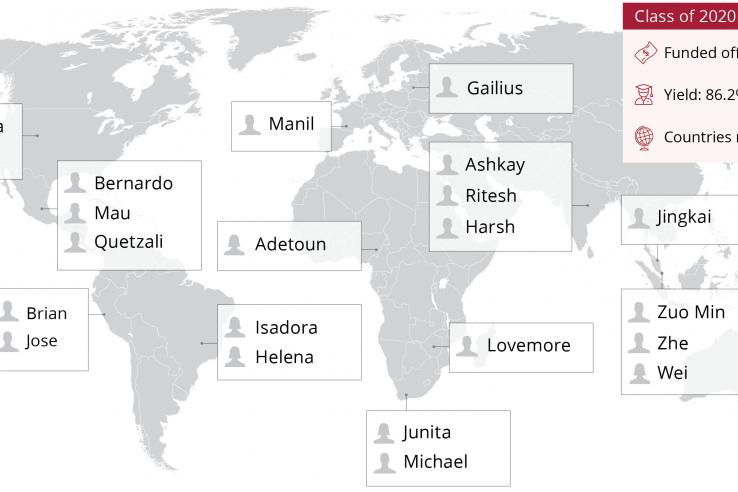
Twenty-one new students are due to arrive on MIT’s campus in January 2020. They are the first cohort of the new Master’s in Data, Economics, and Development Policy, the first master’s degree to be offered by MIT’s Department of Economics.
Blog
Policymakers and researchers collaborate to improve education quality in Puerto Rico
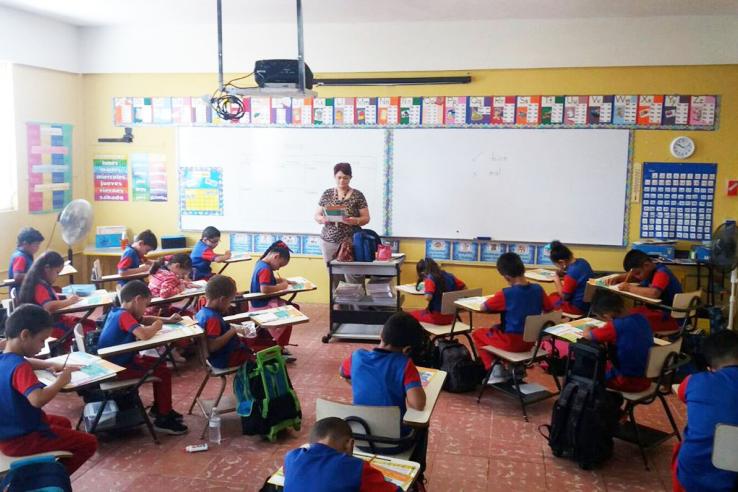
Puerto Rico faces deeply rooted and complex education challenges. We formed a partnership between the Puerto Rico Department of Education (PRDE) and academic researchers to study these challenges and promote decision-making based on data, research, and evidence.