The Abdul Latif Jameel Poverty Action Lab (J-PAL) is a global research center working to reduce poverty by ensuring that policy is informed by scientific evidence. Anchored by a network of more than 1,100 researchers at universities around the world, J-PAL conducts randomized impact evaluations to answer critical questions in the fight against poverty.
The Abdul Latif Jameel Poverty Action Lab (J-PAL) is a global research center working to reduce poverty by ensuring that policy is informed by scientific evidence. Anchored by a network of more than 1,100 researchers at universities around the world, J-PAL conducts randomized impact evaluations to answer critical questions in the fight against poverty.
Our affiliated professors are based at over 130 universities and conduct randomized evaluations around the world to design, evaluate, and improve programs and policies aimed at reducing poverty. They set their own research agendas, raise funds to support their evaluations, and work with J-PAL staff on research, policy outreach, and training.
Our Board of Directors, which is composed of J-PAL affiliated professors and senior management, provides overall strategic guidance to J-PAL, our sector programs, and regional offices.
We host events around the world and online to share results and policy lessons from randomized evaluations, to build new partnerships between researchers and practitioners, and to train organizations on how to design and conduct randomized evaluations, and use evidence from impact evaluations.
Browse news articles about J-PAL and our affiliated professors, read our press releases and monthly global and research newsletters, and connect with us for media inquiries.
Based at leading universities around the world, our experts are economists who use randomized evaluations to answer critical questions in the fight against poverty. Connect with us for all media inquiries and we'll help you find the right person to shed insight on your story.
J-PAL is based at MIT in Cambridge, MA and has seven regional offices at leading universities in Africa, Europe, Latin America and the Caribbean, Middle East and North Africa, North America, South Asia, and Southeast Asia.
J-PAL is based at MIT in Cambridge, MA and has seven regional offices at leading universities in Africa, Europe, Latin America and the Caribbean, Middle East and North Africa, North America, South Asia, and Southeast Asia.
Our global office is based at the Department of Economics at the Massachusetts Institute of Technology. It serves as the head office for our network of seven independent regional offices.
Led by affiliated professors, J-PAL sectors guide our research and policy work by conducting literature reviews; by managing research initiatives that promote the rigorous evaluation of innovative interventions by affiliates; and by summarizing findings and lessons from randomized evaluations and producing cost-effectiveness analyses to help inform relevant policy debates.
Led by affiliated professors, J-PAL sectors guide our research and policy work by conducting literature reviews; by managing research initiatives that promote the rigorous evaluation of innovative interventions by affiliates; and by summarizing findings and lessons from randomized evaluations and producing cost-effectiveness analyses to help inform relevant policy debates.
How do policies affecting private sector firms impact productivity gaps between higher-income and lower-income countries? How do firms’ own policies impact economic growth and worker welfare?
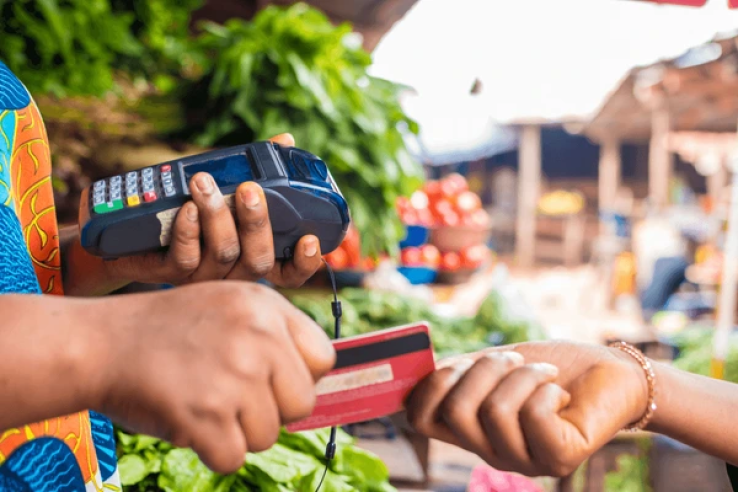
How can we identify effective policies and programs in low- and middle-income countries that provide financial assistance to low-income families, insuring against shocks and breaking poverty traps?
Researchers are studying programs like policing reforms, justice provisions, peacebuilding programs, and more. Over two decades, they’ve built a growing body of evidence on programs that work, and the conditions that maximize their potential. The Governance, Crime, and Conflict Initiative staff have...
In partnership with Melchia Investments, a private Ghanaian technology company, researchers are conducting a pilot randomized evaluation to identify the effectiveness of a new tax collection technology in increasing property tax revenues for local governments.
Naufal Ridwan is a Research Associate at J-PAL Southeast Asia, where he currently works on a pilot randomized controlled trial (RCT) focused on early childhood development.
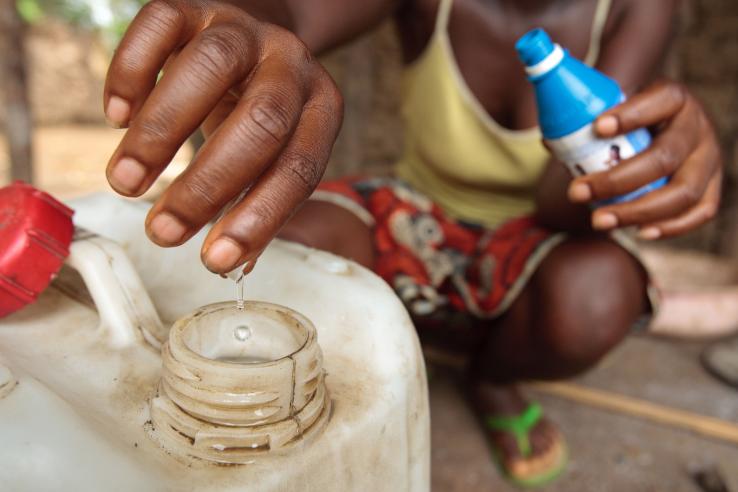
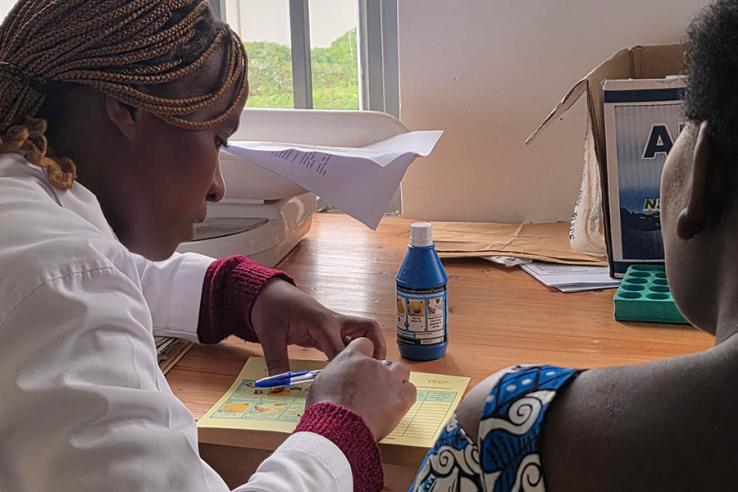
Access to safe drinking water is fundamental to a child’s health and survival, and yet for many families it is still out of reach. To help address this, Rwanda’s Ministry of Health, with the technical support of J‑PAL Africa, has launched a pilot program that will provide free, easy-to-use chlorine...
Shivani Jain is a Senior Communications Associate at J-PAL South Asia, where she leads strategic communications to translate research evidence into compelling stories that inform policymakers, engage donors, and reach wider audiences across India
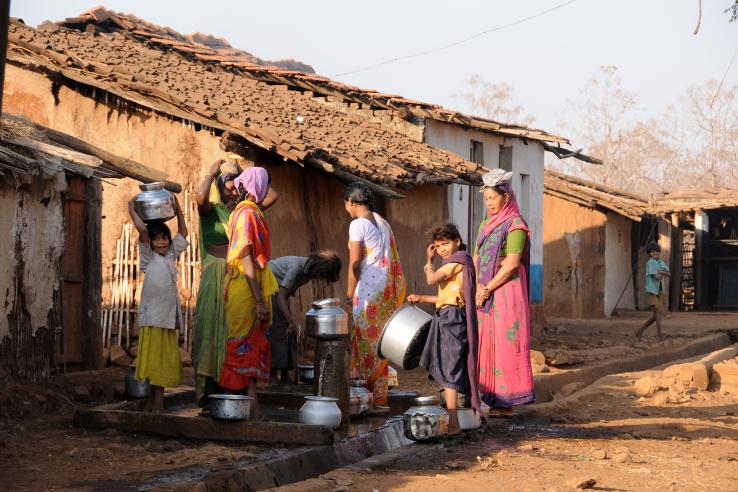
Solutions and Advancements through Research for Water and Air (SARWA) is an innovative program by J-PAL South Asia and Community Jameel to increase access to clean air and water for millions of Indians through solutions that have been rigorously tested for effectiveness.
Last year, J-PAL published a policy brief and implementation guide synthesizing evidence from sixteen randomized evaluations of life skills programs for adolescent girls. The findings show that such approaches can be particularly effective in boosting self-efficacy (confidence in achieving certain...
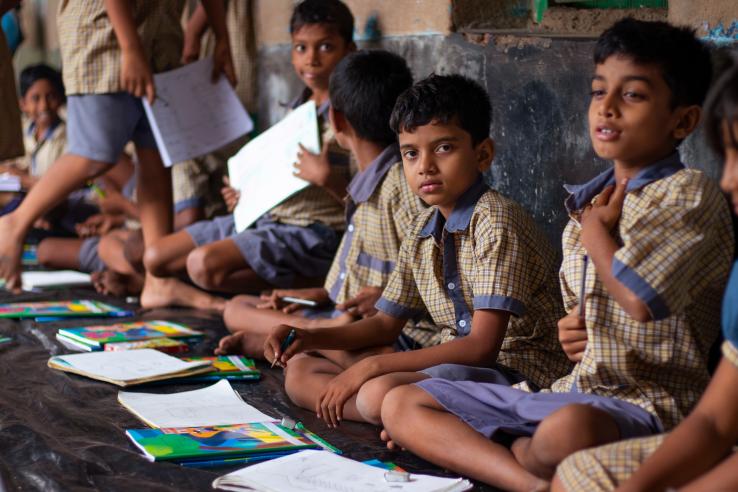
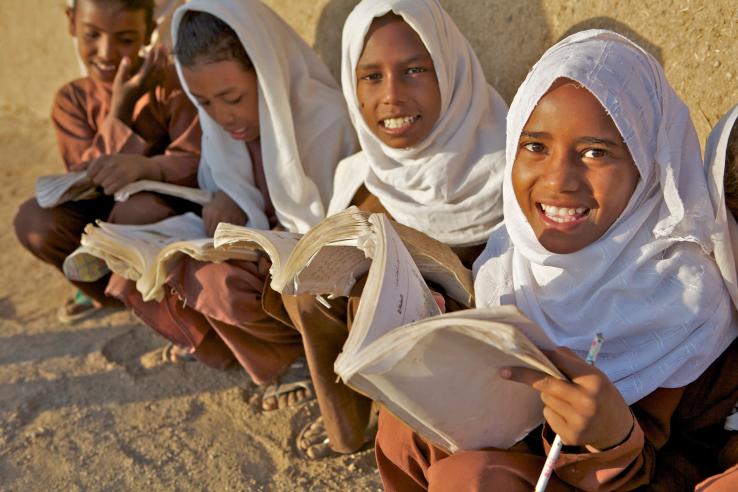
How can governments, donors and implementing partners decide on where to invest to improve girls’ enrollment? Global evidence on effective interventions can be a great place to start. J-PAL Africa highlight three key lessons everyone should keep in mind on keeping girls in school.
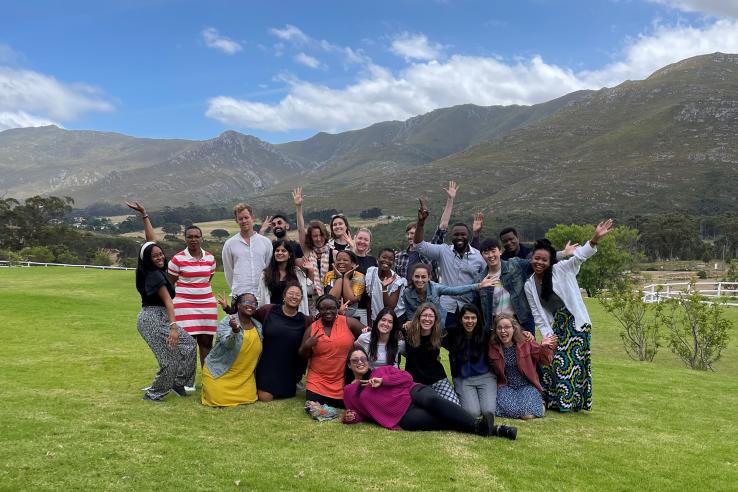
J-PAL Africa is a growing office with a fun, diverse and inclusive team. We have offices in Cape Town, Johannesburg, Nairobi and Accra. Learn more about our current team members. If you would like to receive notifications about open positions, please sign up for J-PAL's newsletters.
In celebration of the International Day of Women and Girls in Science on February 11, 2025, J-PAL Africa hosted an Ask Me Anything session with J-PAL affiliated professor Danila Serra on X, formerly Twitter. Below, we share highlights from this engaging conversation about her research on gender...