


Generating Evidence
Help build our shared knowledge of effective Strategies to address homelessness.
Generating evidence—that is, conducting rigorous research—is essential for learning the most effective methods to prevent and reduce homelessness. Results from impact evaluations, especially randomized evaluations, can both inform administrators about the effectiveness of their programs and also instruct the broader field on the best ways to target and invest resources.
While the body of existing literature on effective approaches to homelessness reduction is growing, important research questions remain to be answered.
If you are a nonprofit or public sector leader in the housing or homelessness sector interested in evaluating the impact of your program or policy, we hope the modules below will provide you with foundational information and tools to generate agency buy-in, create a shared language among research teams, and set high-quality evaluations up for success.
Before Jumping In: Researcher-Practitioner Partnerships
At J-PAL North America, we believe that a strong research partnership is one of the best tools for conducting a rigorous impact evaluation, particularly when carrying out a randomized evaluation. That's why we work to connect service providers and government leaders with academic researchers to conduct rigorous, policy-relevant randomized evaluations. Each brings an essential expertise to the relationship without which an evaluation cannot be successful.
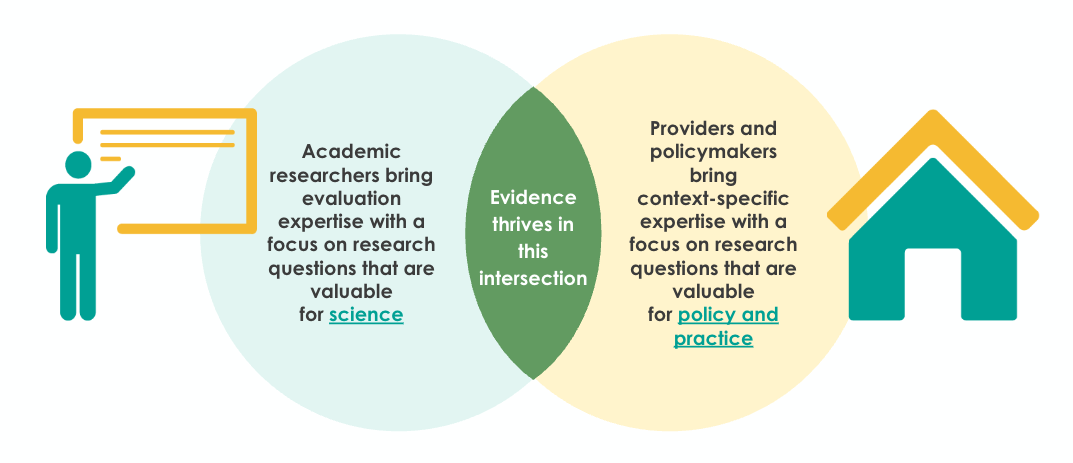
While critical, these relationships can be challenging to form and and even harder to maintain. Check out the following resources for insights into this model and guidance on successful partnerships.
Resources on Successful Research Partnerships
- J-PAL Research Resource: Formalize research partnership and establish roles and expectations
- [External] Researcher-Provider Partnerships Can Help Identify Effective Solutions For Homelessness
- Examples of successful partnerships:
- Building research partnerships to address wildfire risk in Jackson County, Oregon
- Building research partnerships to understand the promises of Summer Youth Employment Programs
- Building research partnerships to understand the promises of Summer Youth Employment Programs, part two
- Building research partnerships to create moves to opportunity
- Building research partnerships to address the opioid crisis in Minnesota
- Building research partnerships to address failures to appear for court in Shasta County, part one
- Building research partnerships to address failures to appear for court in Shasta County, part two
Impact Evaluations: Foundations
An impact evaluation is a systematic assessment of whether a program or policy has its intended effect (or impact) on a specific outcome. While there are several methods of estimating the effectiveness of a program—all with differing degrees of credibility—they all share several common fundamentals.
The following modules provide an introduction to these fundamentals of a good impact evaluation.
Module 1: Overview of Impact Evaluations
Learning Objectives:
By interacting with the materials in this module, we hope that you will be able to…
- Understand the value of impact evaluations for evidence-based decisionmaking;
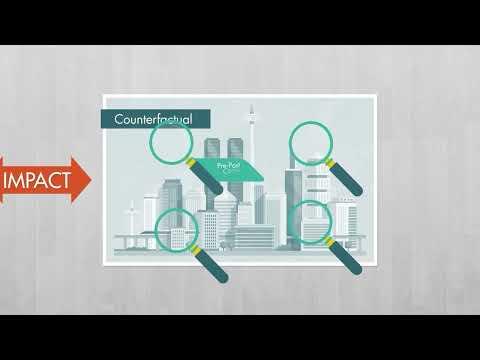
- Define key terminology such as “impact,” and “counterfactual”;
- Recognize common impact evaluation methods; and
- Articulate your research questions.
Watch: Introducing Impact Evaluations
Read:
Practice:
Module 2: Creating a Theory of Change
Learning Objectives:
By interacting with the materials in this module, we hope that you will be able to…
- Recognize the importance of theories of change for both developing and evaluating a program;
- Identify the key components of a theory of change;
- Practice thinking through a theory of change and, if applicable, refine your research question accordingly.
Watch: Introducing a Theory of Change

Read:
Practice:
Learn More:
- J-PAL Research Resource: The elements of a randomized evaluation, Part 1: Theories of change
- [External] Guiding Your Program to Build a Theory of Change, by Innovations for Poverty Action
- [External] Goldilocks Toolkit: Theory of Change, by Innovations for Poverty ActionGoldilocks Toolkit: Theory of Change, by Innovations for Poverty Action
Module 3: Data and Measurement
Learning Objectives:
By interacting with the materials in this module, we hope that you will be able to…
- Understand the importance of using good data to measure different components of your theory of change;
- Distinguish between primary and secondary sources of data;
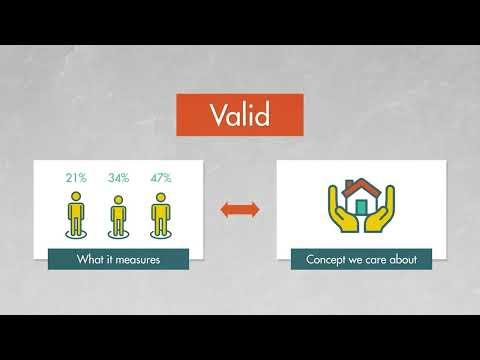
- Define key terms, such as validity and reliability; and
- Recognize common sources of data used in housing and homelessness evaluations.
Watch: Introducing Data and Measurement
Read:
- Glossary: Module 3 (PDF)
Practice:
Learn More:
- J-PAL Research Resource: Introduction to measurement and indicators
- J-PAL Research Resource: Repository of measurement and survey design resources
BONUS! Explore: Housing Data [External]
Module 4: Fundamentals of Ethical Research
Learning Objectives:
By interacting with the materials in this module, we hope that you will be able to…
- Identify the three key components of research ethics, as outlined by the Belmont Report;
- Understand the role of Institutional Review Boards in protecting research participants and promoting ethical research; and
- Recognize specific ethical considerations when working with unhoused populations.
Watch: Introducing Research Ethics
Read:
- Glossary: Module 4 (PDF)
Practice:
Learn More:
- [External] Belmont report
- J-PAL Research Resource: Define intake and consent process
- J-PAL Research Resource: Ethical conduct of randomized evaluations
- J-PAL Research Resource: Institutional Review Board (IRB) proposals
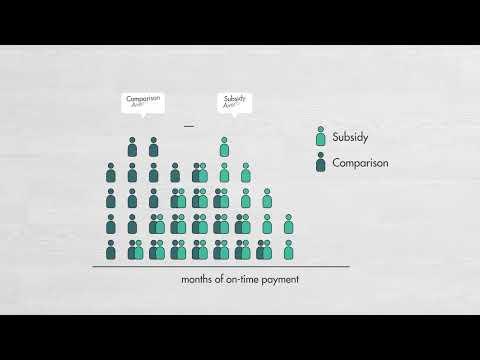
Module 5: Understanding Statistical Power
Learning Objectives:
By interacting with the materials in this module, we hope that you will be able to…
- Define statistical power and its importance in high-quality impact evaluations;
- Understand the relationship between power, sample size, and effect size; and
- Gain practice using a power calculator.
Watch: Introducing Statistical Power
Read:
Practice:
Learn More:
- J-PAL Research Resource: Power Calculations
- J-PAL Research Resource: Quick guide to power calculations
- J-PAL Brief: What is the Risk of an Underpowered Evaluation
Randomized Evaluations: Key Components and Considerations
Randomized evaluations are a type of impact evaluation that, due to their use of random assignment, are uniquely positioned to identify the causal impacts of a program. This information—whether a program caused a change in an outcome—is critical for making evidence-informed decisions about programs and policies. Despite their value, randomized evaluations can be challenging to execute and are not the best fit for every context or research question.
The following modules provide an introduction to the basic premise behind randomized evaluations and the instances in which they may be an appropriate method for ascertaining the impact of a program or policy.
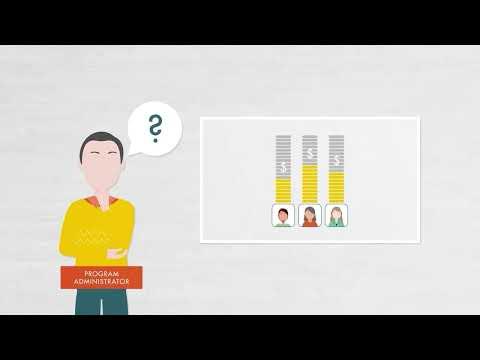
Module 6: Overview of Randomized Evaluations
Learning Objectives:
By interacting with the materials in this module, we hope that you will be able to…
- Understand the unique advantage of randomized evaluations to identify causal impacts;
- Identify the fundamental characteristics of an RCT; and
- Define key terminology, such as random assignment.
Watch: Introducing Randomized Evaluations
Read:
Practice:
Learn More:
- J-PAL Research Resource: Introduction to randomized evaluations
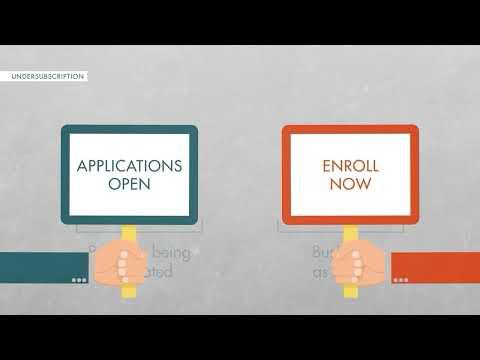
Module 7: Opportunities for Randomization
Learning Objectives:
By interacting with the materials in this module, we hope that you will be able to…
- Identify instances when a randomized evaluation may be an appropriate research method to use;
- Recognize common randomization strategies;
- Become familiar with how these strategies have been applied in prior housing and homelessness research; and
- Think about whether a randomized evaluation might be a good fit to answer your research questions.
Watch: Introducing Randomization Designs
Read:
Practice:
Learn More:
- J-PAL Brief: Real-World Challenges to Randomization and Their Solutions
- J-PAL Research Resource: Randomization
Diving Deeper
Interested in learning more about impact evaluations? Try these more in-depth resources and training opportunities:
- J-PAL's Online Evaluating Social Programs Course
- J-PAL's Research Resources
- J-PAL's Teaching Resources
If you are interested in diving even deeper into these materials, contact [email protected] to inquire about a custom training.
Get Connected
Ready to rigorously evaluate your program with a randomized evaluation? Contact us at [email protected] to discuss opportunities to be connected to an academic researcher in J-PAL North America's network.