

Displaying 2146 - 2160 of 7209
Evaluation
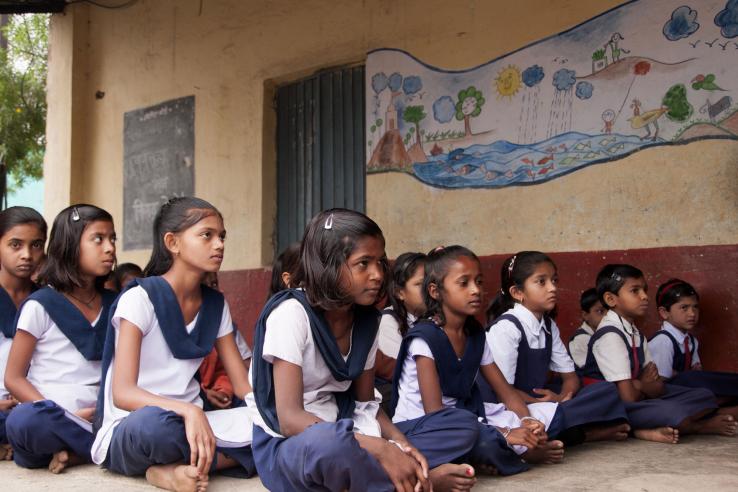
School Choice in Andhra Pradesh, India
In India, researchers measured the impact of providing vouchers to attend private schools on student learning. Students who won vouchers had test scores that were 0.13 standard deviations higher across all subjects.
Evaluation
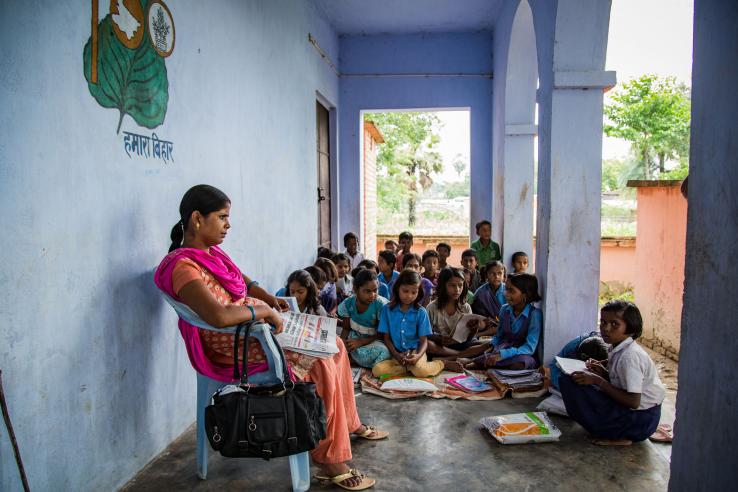
Extra Contract Teachers in Andhra Pradesh, India
Researchers evaluated the impact of hiring extra contract teachers in primary schools in India on student learning. Results show that students in schools with an extra contract teacher performed significantly better than those in comparison schools in both math and language areas. Evidence also suggests that contract teachers in this context faced stronger incentives to perform well than regular teachers.
Evaluation
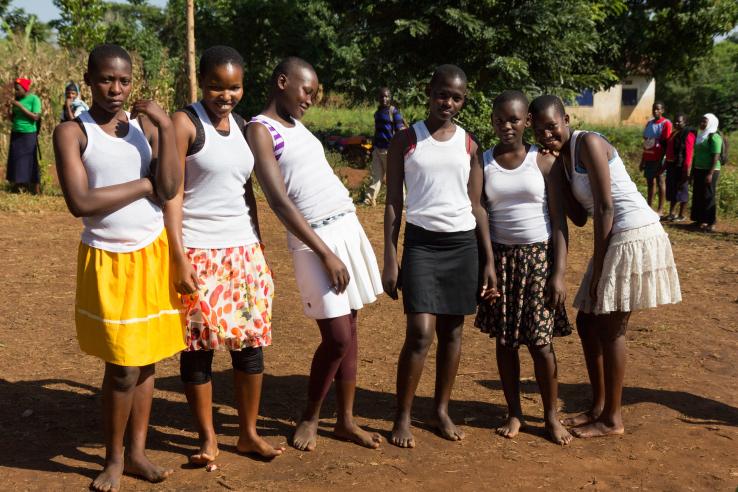
Safe Spaces with Vocational and Life Skills Training for Young Women's Economic and Social Empowerment in Uganda
In Uganda, researchers examined the impact of a combination of life skills and vocational training on adolescent girls’ engagement in income-generating activities, control over their bodies, and aspirations. The bundled provision of hard vocational and soft life skills training led to substantial advances in economic empowerment and control over the body for adolescent girls, which persisted for four years.
Evaluation
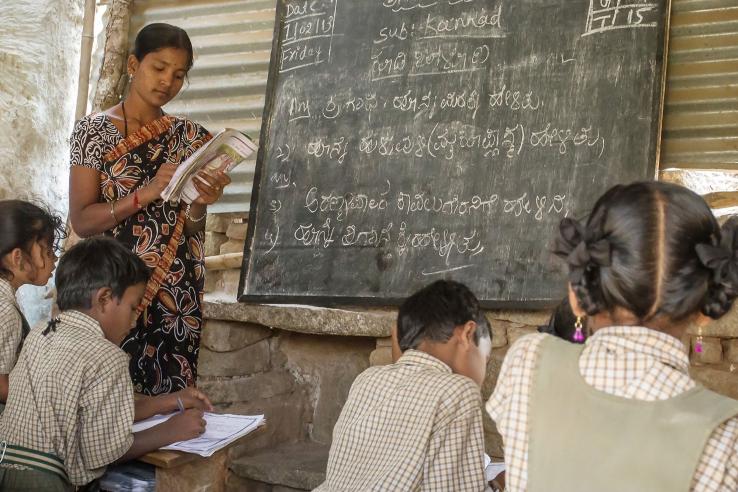
Teacher Performance Pay in Andhra Pradesh, India
Researchers conducted a randomized evaluation in the Indian state of Andhra Pradesh to measure the relative effectiveness of conditional versus unconditional bonuses on improving the quality of schools. Offering conditional incentives to individual teachers was a cost-effective way to improve student test scores across subjects.
Evaluation
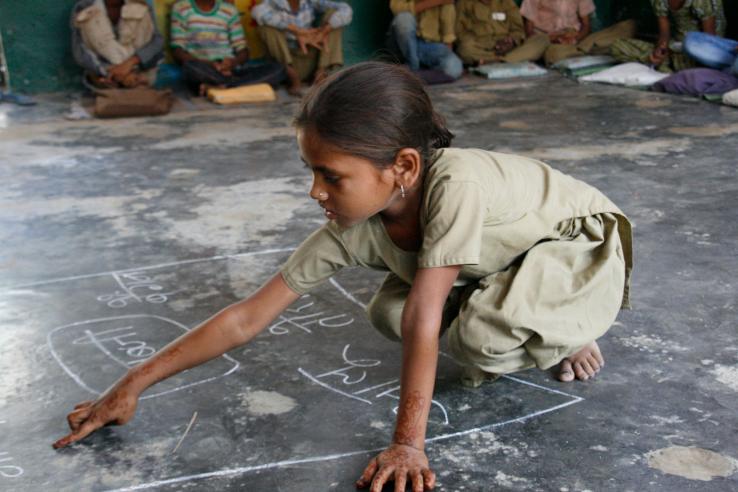
Read India: Helping Primary School Students in India Acquire Basic Reading and Math Skills
Researchers partnered with Pratham, an educational NGO, to evaluate the impact of their “Read India” program and its components, which include teacher training, monitoring, learning materials, and village volunteers, on educational attainment. Preliminary results suggest the program had a modest impact on overall reading levels in the villages where camps were held, but a much larger impact on the subgroup of children that actually attended the camps.

Evaluation
Improving the Design of Conditional Transfer Programs in Colombia
Researchers in Bogotá, Colombia, evaluated whether changing the timing and type of CCTs could lead to greater impact on educational attainment. All CCT variations had similarly positive impacts on school attendance, but transfers conditional on continued education had a greater impact on secondary and tertiary school enrollment, particularly for the most at-risk children.
Evaluation
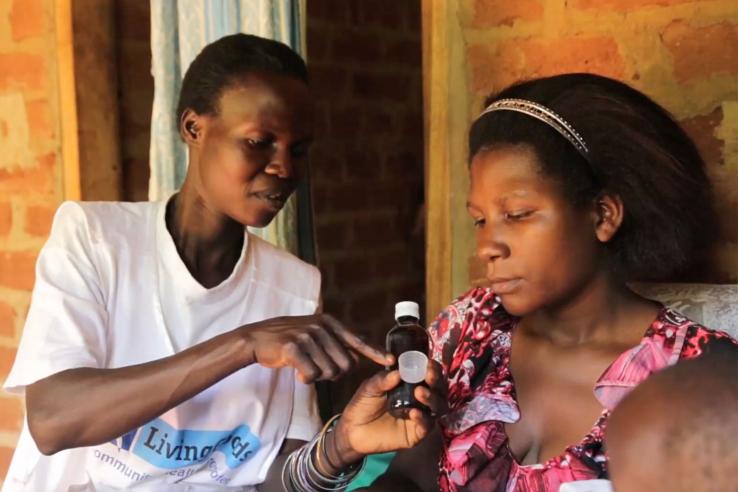
An Entrepreneurial Model of Community Health Delivery in Uganda
In Uganda, an incentivized community health promoter program increased health care access, knowledge, and health-promoting behaviors among households, leading to a 27 percent reduction in child mortality.
Evaluation
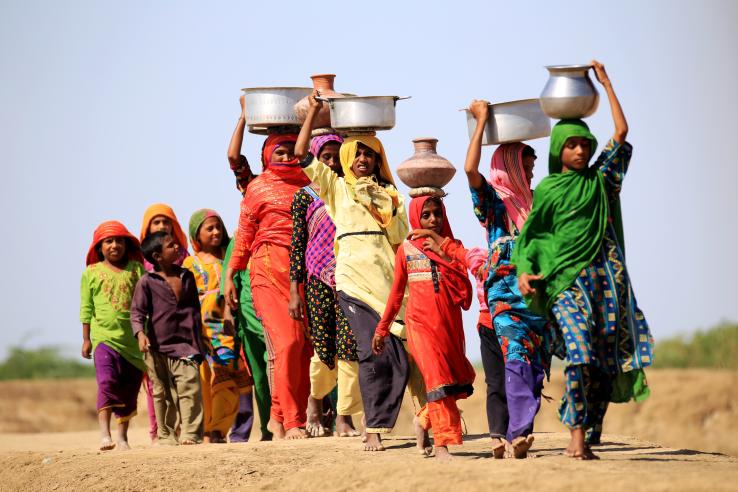
Graduating the Ultra-Poor in Pakistan
In six countries researchers evaluated a multi-faceted approach aimed at improving the long-term income of the ultra-poor. They found that the approach had long-lasting economic and self-employment impacts and that the long-run benefits, measured in terms of household expenditures, outweighed their up-front costs. This evaluation summarizes the Pakistan site, which had similar effects as the other successful sites.
Evaluation
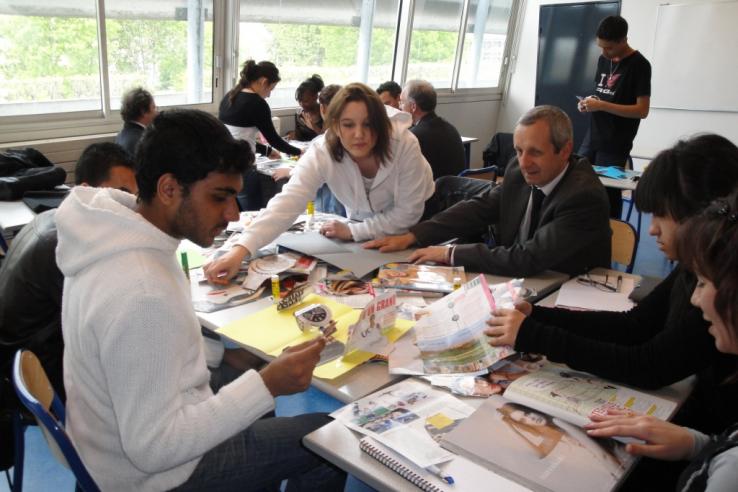
Career Mentoring for Secondary Students in France (Actenses)
Researchers examined the impact of a mentoring program on high school students' academic achievement, job market knowledge, and career-related goals. The program changed students' academic ambitions, but had no impact on their professional plans, knowledge about the professional world, or motivation for schoolwork.

Evaluation
Small Business Training and Loans for Aspiring Entrepreneurs in Disadvantaged Neighborhoods in France (ADIE)
Researchers evaluated whether coaching, guidance, and financial support could help young people create and sustain independent businesses. The entrepreneurship training program did not increase entrepreneurship, and participating youth were more likely to be unemployed and earn lower revenues from their business 28 months after the start of the program.
Evaluation
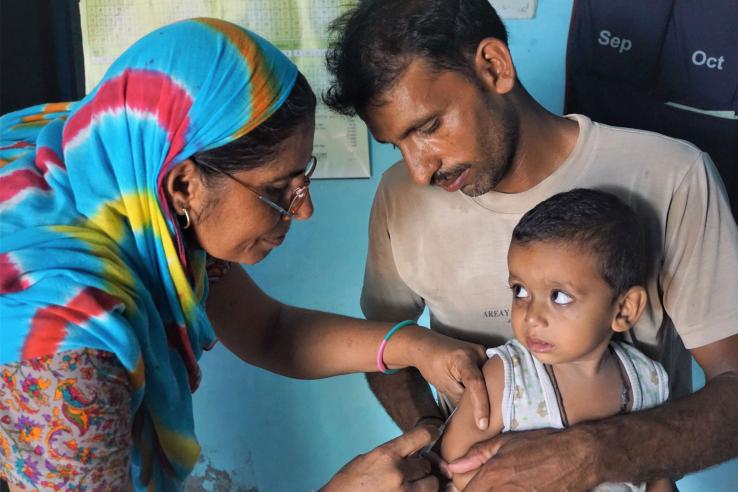
Incentives for Nurses in the Public Health Care System in Udaipur, India
Researchers worked with the NGO Seva Mandir to measure the impact of an incentives program that aimed to improve Assistant Nurse Midwife (ANM) attendance in rural clinics in Udaipur. Although the incentive program initially led to a large improvement in attendance, effects faded after the first six months, at least in part due to implementation challenges.
Evaluation
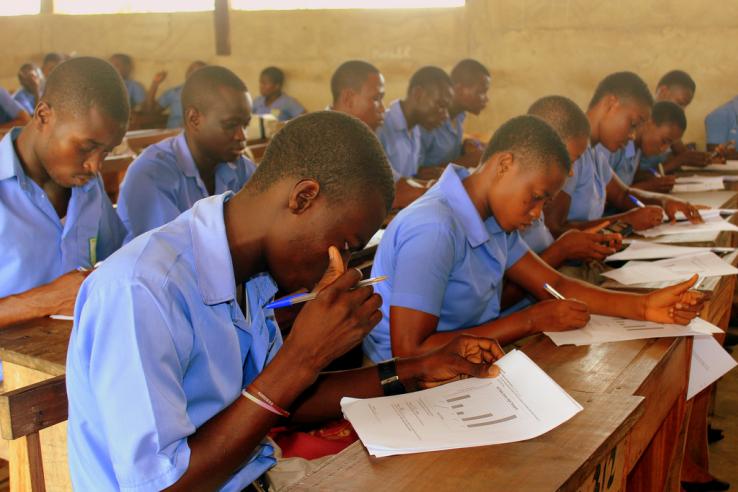
Multigenerational Benefits to Secondary Schooling in Ghana
A study conducted in Ghana over 15 years evaluated the benefits of secondary school scholarships on both education and health outcomes.
Evaluation
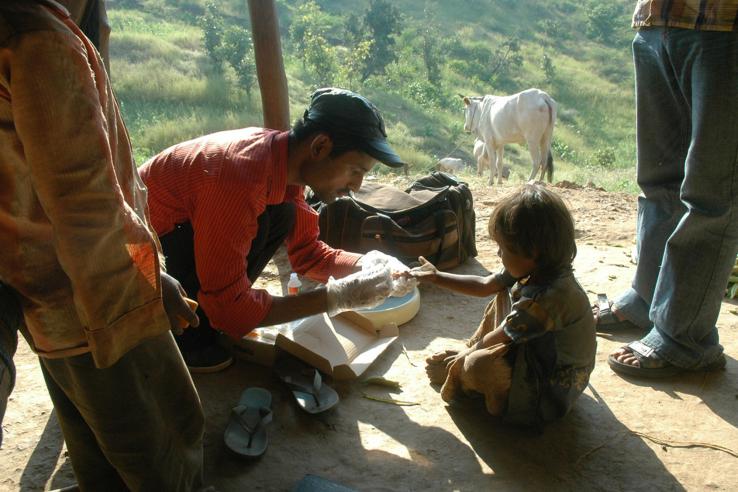
Reducing Anemia Through Iron Fortification of Grain in Udaipur, India
Researchers in Udaipur, India, evaluated the impact of a village-level iron fortification program on the physical health of local families in 134 villages. Despite high take-up rates at the beginning of the study, overall take-up rates fell by the end of the evaluation. Results showed a significant difference in anemia rate and physical health between the treatment and comparison group when program take-up was high, but no difference when it was low.
Evaluation
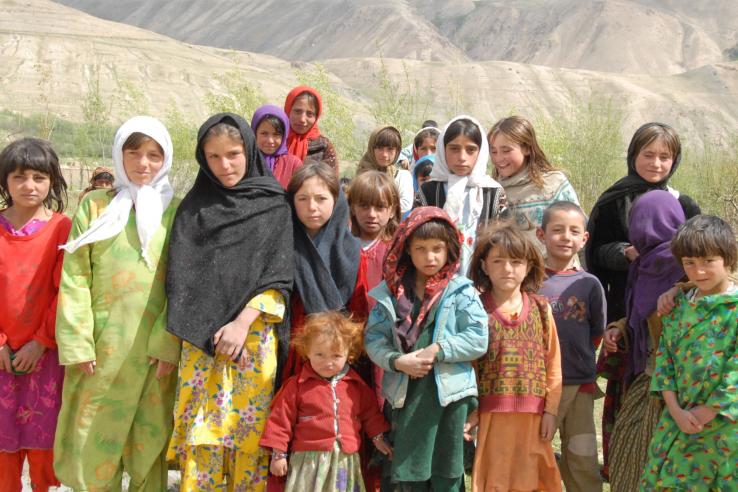
The Effect of Village-Based Schools in Afghanistan
Researchers conducted a randomized evaluation in Afghanistan to measure the impact of school proximity on the educational outcomes of young students in local villages. Results indicated that the geographic proximity of schools had a dramatic effect on children’s academic participation and performance, suggesting that reducing the distance to schools has the potential to reduce gender disparities in rural areas.