

Displaying 1276 - 1290 of 1311
Evaluation
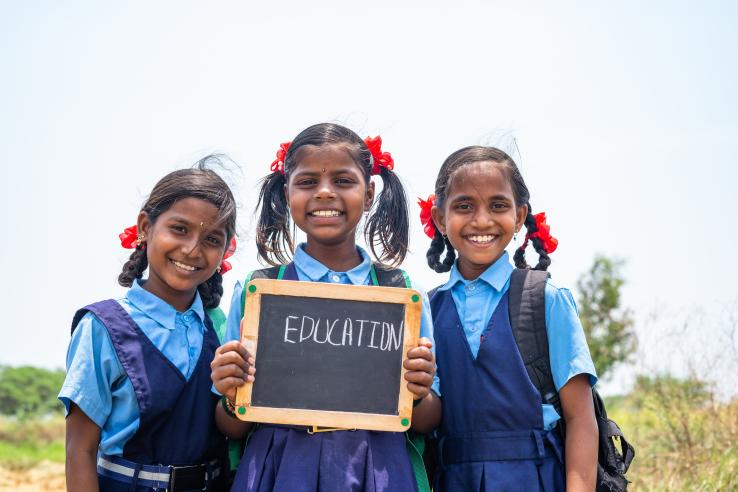
Providing Life Skills Training and Mentoring To Reduce School Dropout Among Girls in India
Researchers conducted a randomized evaluation to test the impact of life skills training and mentoring on dropout rates and non-cognitive skills among girls in India. Their evidence suggests that the intervention is successful in developing stronger life skills including increased agency, more equitable gender norms, and stronger socio-emotional support.

Evaluation
Phone-Based Tutoring to Support Learning during School Closures: Evidence from Five Countries
In the context of the COVID-19 pandemic, researchers conducted a randomized evaluation to test the impact of delivering educational content via mobile phones on student learning in five countries. Mobile-based instruction, especially through phone call tutorials, improved foundational learning outcomes for primary school student.
Evaluation
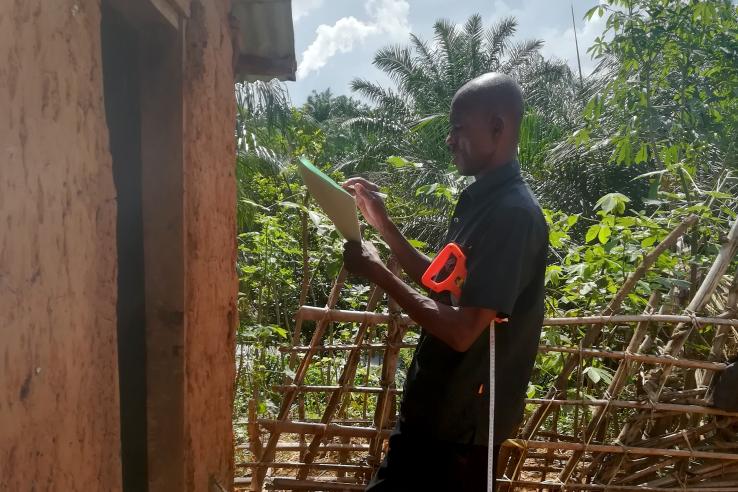
Subsidized Land Titles, Social Institutions, and Land Formalization in the Democratic Republic of Congo
In Kananga, Democratic Republic of Congo (DRC), researchers conducted a randomized evaluation to test the impact of a subsidized land titling program on both starting and completing land registration, as well as on citizens’ participation in social institutions. Being offered a land titling subsidy substantially increased the number of citizens who began the property registration process and obtained a land title, while decreasing participation in social institutions and worsening citizens’ evaluations of chiefs.
Evaluation
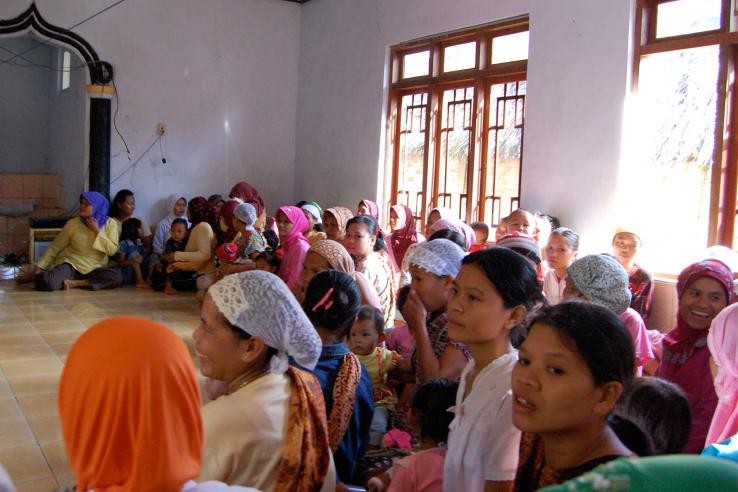
Empowering Female Migrant Workers to Access Quality Overseas Placement Services in Indonesia
Researchers conducted a randomized evaluation to test the impact of providing information about the quality of migration agencies to potential migrants on migration choices and welfare. Information reduced the rate of migration in the short term, which lowered workers’ use of low-quality agencies, but did not change their intentions to migrate in the future or beliefs about the returns to migration. Those who did migrate received better pre-departure training and reported higher-quality job experiences abroad.
Evaluation
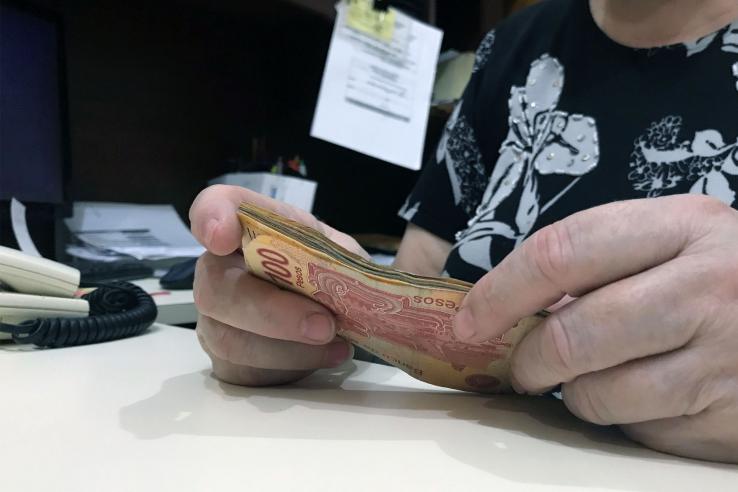
The Impact of Lottery Ticket Incentives on Saving in Mexico
Researchers conducted a randomized evaluation to determine whether PLS programs encouraged opening and use of bank accounts in Mexico. The lottery incentive increased the number of bank accounts opened, and accounts opened because of the PLS program were just as likely to be used as accounts opened without these incentives up to five years later.
Evaluation
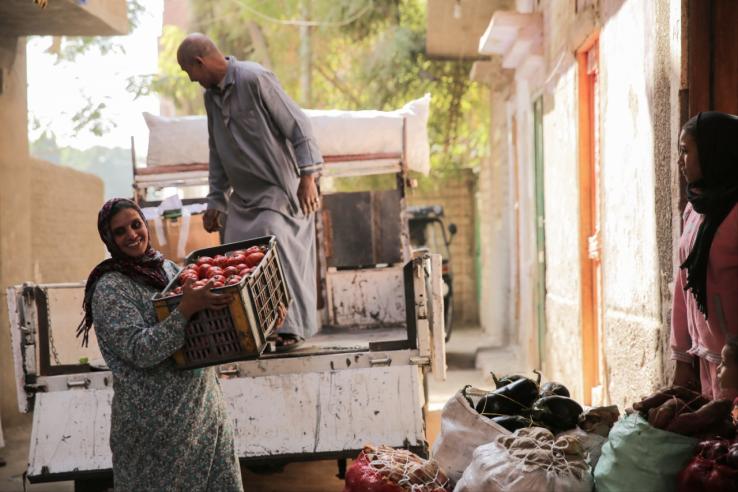
Graduating the Ultra-Poor in Egypt
Following a series of evaluations of the Graduation approach in 15 other countries, researchers are now evaluating the impact of the Graduation approach on the livelihoods of the ultra-poor in Upper Egypt.
Evaluation
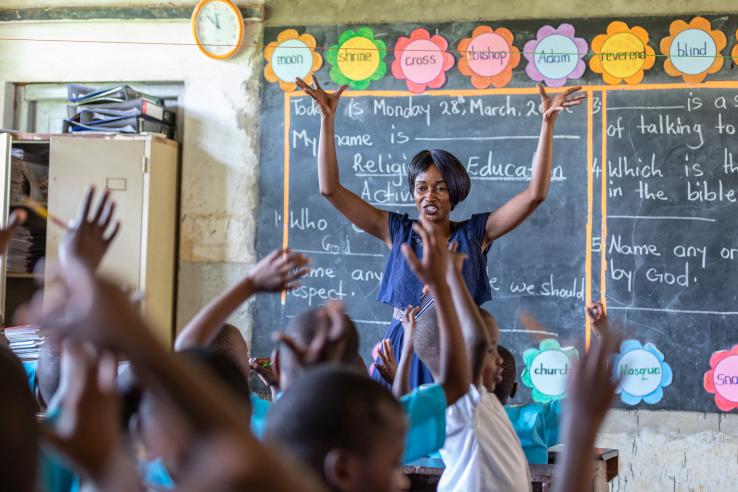
Structured Teaching and Targeted Remediation to Improve Reading Skills in Ghana
Researchers conducted a randomized evaluation to test the impact of a structured teaching and targeted remediation program that combined semi-scripted lesson plans, student workbooks, a smartphone coaching and tracking app, and teacher training in evidence-based instruction on first-grade reading scores in low-fee private schools in Ghana. Students experienced large improvements in foundational reading skills after one school year, with low-performing students experiencing greater benefits.

Evaluation
The Impact of Poverty Reduction on Child Health, Nutrition, and Sleep in the United States
To understand the causal impact of poverty reduction on children’s health, nutrition, sleep, and healthcare utilization, among other outcomes, researchers randomly assigned new mothers to receive an unconditional cash transfer of $333 (high-cash group) or $20 per month (low-cash group) in the Baby’s First Years study. Children in the high-cash group had higher produce consumption at age two, but no impacts were found on health, sleep, or healthcare utilization at age three.

Evaluation
Student Coaching: How Far Can Technology Go?
Researchers conducted a randomized evaluation to test the impact of three different coaching methods on academic outcomes: one-on-one in-person coaching, text messaging, and an online values and goals exercise. One-on-one coaching substantially improved student outcomes, while text messaging and the online exercise had no detectable impact.
Evaluation
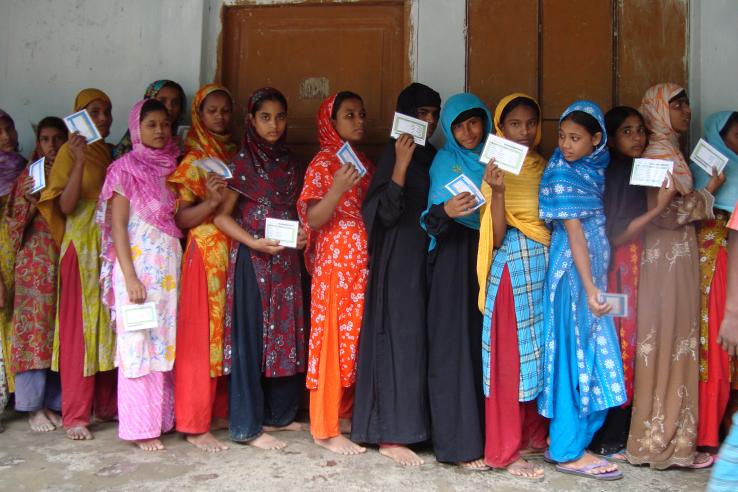
Financial Incentives and an Adolescent Empowerment Program to Reduce Child Marriage in Rural Bangladesh
Child marriage remains prevalent in many countries despite laws prohibiting the practice, leading to negative health and education outcomes for young women and their children. Researchers evaluated the impacts of an incentive program and an adolescent empowerment program on child marriage, teenage childbearing, and level of education in rural Bangladesh. Financial incentives conditional on delayed marriage reduced child marriage and teenage childbearing, and increased girls’ level of education. The empowerment program, on the other hand, did not succeed in delaying marriage.
Evaluation
Effects of Group Discussion on Hiring Decisions Involving Transgender Workers: Experimental Evidence from India
Researchers evaluated the impact of group discussions and rights messaging through videos on hiring discrimination against transgender workers in India. Individuals who engaged in group discussions were more likely to hire transgender individuals.
Evaluation
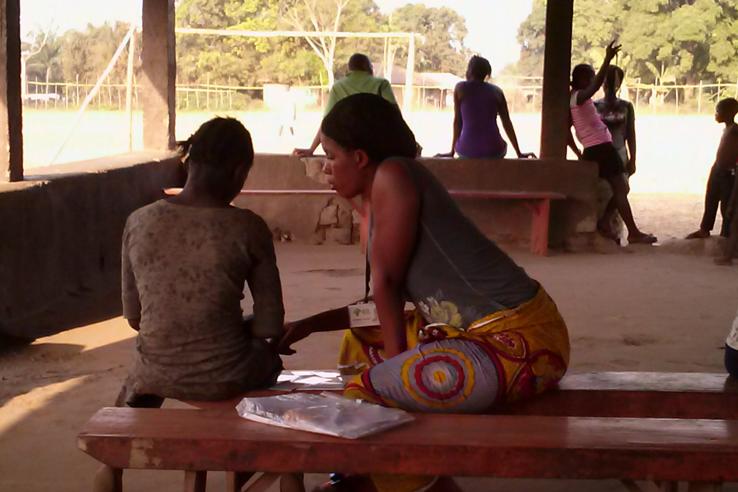
Empowerment and Livelihood for Adolescents (ELA) in Sierra Leone
Researchers evaluated the impact of a program in Sierra Leone called Empowerment and Livelihood for Adolescents (ELA) that aims to address this problem by bundling health education, vocational skills training, and micro-credit. Researchers found that, while girls experienced higher teen pregnancy and lower school attendance post-Ebola, ELA clubs mitigated many of these negative effects.

Evaluation
Monetary Transfers to Disadvantaged Youth in France (RCA)
Researchers evaluated whether a conditional cash transfer targeted to youth aged 18 to 23 could encourage participation in a job placement program and ultimately help them secure longer-term, higher-paying positions. The cash transfer increased participation in the job placement program but did not increase participants’ job search efforts or employment rates. In the short run, the transfers had a negative impact on employment.
Evaluation
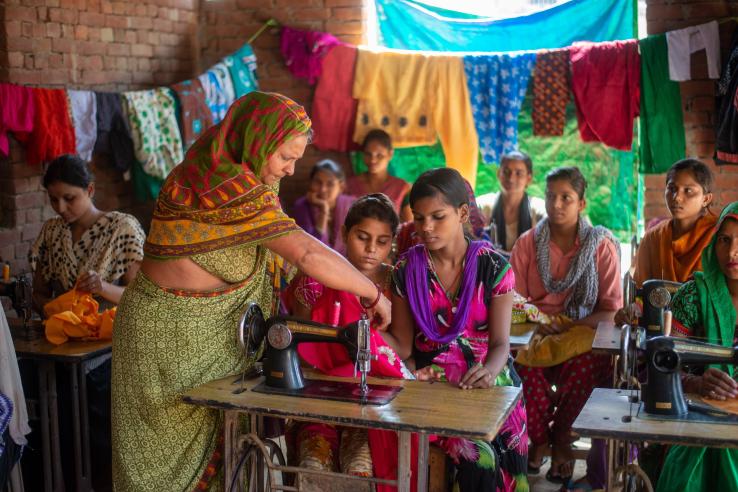
Improving Youth Employment with Job Information during Vocational Training in India
Researchers conducted a randomized evaluation to test whether giving vocational trainees richer information about potential jobs improved their employment outcomes. Researchers provide suggestive evidence that with the information, trainees made better decisions on whether to continue the training: those who saw the program as a poor fit for their job ambitions dropped out, while those who valued the training’s job opportunities stayed.