

Displaying 1171 - 1185 of 7218
Evaluation
Improving Economic Outcomes and Well-being through Unconditional Cash Transfers and Goal-Setting in Kenya
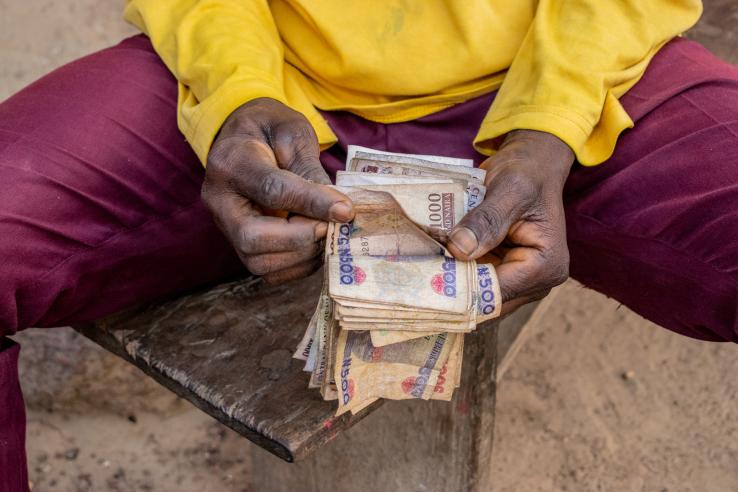
Research has shown that people living in poverty are more likely to experience a range of psychological barriers that might constrain economic success. These barriers may include lower aspirations and goals, a perception that their actions have limited impacts on their circumstances, time inconsistent preferences, as well as a lack of information about the potential for high-return investments. Unconditional cash transfers are an effective and increasingly popular approach to lifting households out of poverty, but households may benefit from additional support to maximize the impact of receiving cash.
Evaluation
The Effects of Performance Pay among Private School Teachers in Pakistan
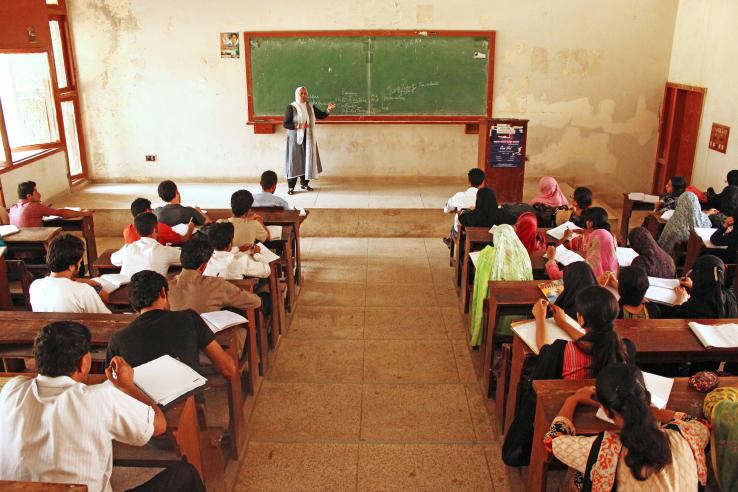
Researchers worked with a large private school network in Pakistan to evaluate the effects of performance raises on outcomes such as teacher behavior, student learning, and student socioemotional development. They found that, compared to flat payments, performance pay attracted more high-quality teachers. In terms of types of performance pay, those based on objective and subjective measures (supervisor observations and student test scores, respectively) were equally effective at increasing student test scores, but objective performance pay negatively affected student socioemotional development, whereas subjective performance pay had a small positive effect.
Evaluation
High Hopes: Saving for High School with a Mobile-Money Lock-Box in Kenya
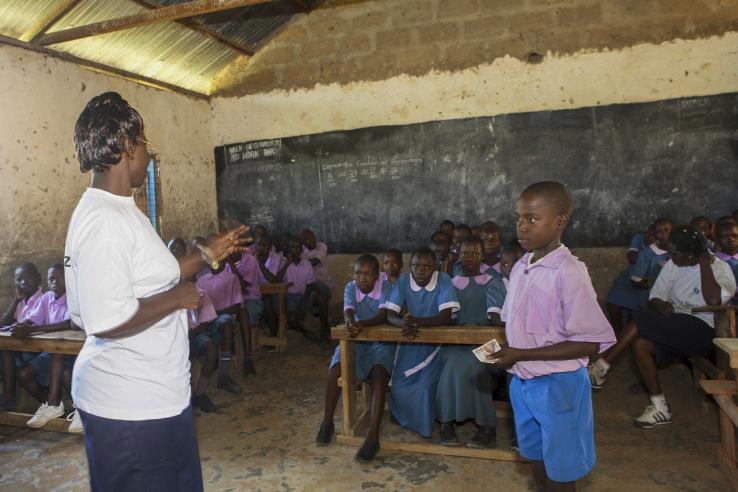
In Kenya, researchers partnered with a telecom operator to evaluate the impact of a commitment savings account, called the “High Hopes” Lock-Savings Account, on account usage, savings and loans, and school enrollment. The study found that many parents used the accounts–usage rates increased by about 25 percentage points–and that among those who took up the account, total financial savings increased by three to four times. Parents who saved were also 18-24 percentage points more likely to enroll their children in high school. However, the results were nearly the same for a more conventional mobile savings account that did not offer the commitment bonus, suggesting that easy access to a means of saving, even absent behavioral incentives, was enough to affect parents’ decisions.

Evaluation
Preventing Homelessness Among Youth and Families with Children
Researchers evaluated the impact of case management and immediate financial assistance compared to only financial assistance on housing and health outcomes for youth and families with children.
Evaluation
Informing Policy with Research in Brazil
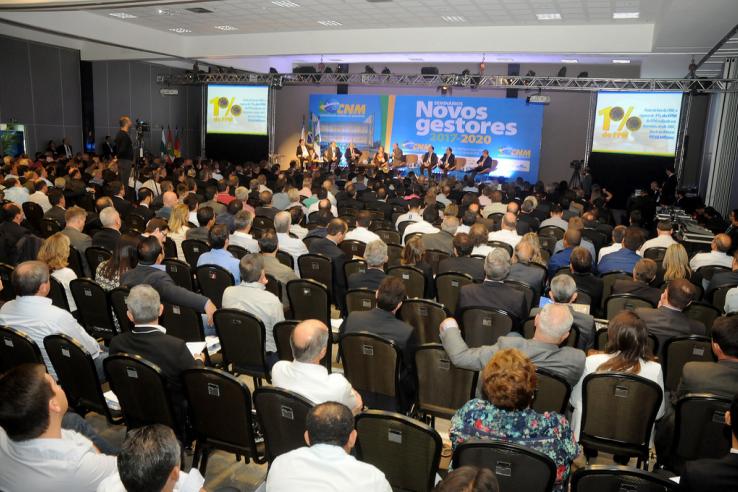
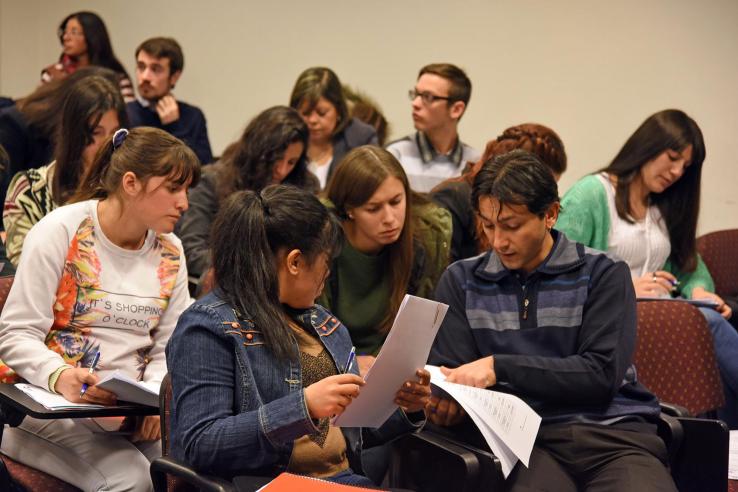
Researchers partnered with the National Confederation of Municipalities (CNM) in Brazil to evaluate the impact of access to research results on policymakers’ demand for research findings and interest in adopting evidence-informed policies. Policymakers were willing to pay for research findings and subsequently updated their beliefs. Those who were invited to an information session on a simple, evidence-informed policy to increase tax compliance were more likely to implement that policy within the next two years.
Evaluation
The Effects of Working While in School in Uruguay
Researchers partnered with the government of Uruguay to evaluate the impact of a national youth employment program. The program increased participants’ earnings and school enrollment during and up to two years after the program, suggesting that work-study programs may ease students’ school-to-work transition.

Evaluation
The Impact of a School-Based Management Program on Student Performance in Mexico
Researchers conducted a randomized evaluation to determine the effect of a school-based management program, Programa Escuelas de Calidad, on student performance in Mexico. The program combined a cash grant with state support to design and carry out school improvement plans. The intervention did not have any effect on school performance after one year.
Update
J-PAL Updates
Ready to learn: Generating and using evidence to reduce gender-based violence in Peru
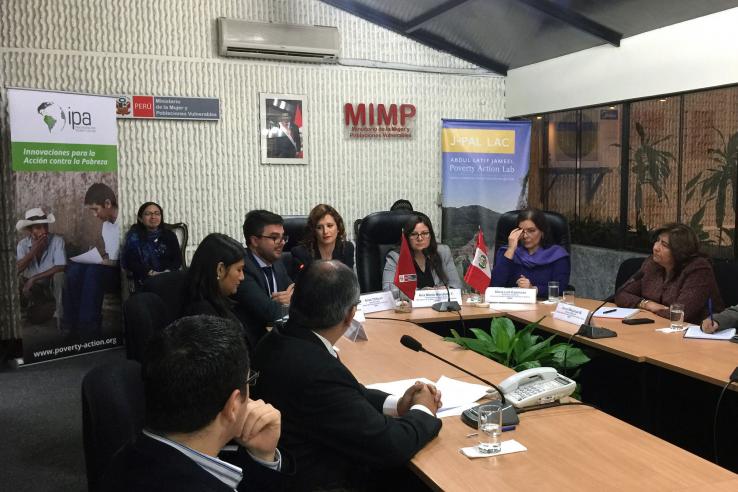
To address the issue of gender-based violence, Peru’s Ministry of Women and Vulnerable Populations (MIMP), J-PAL’s Latin America and Caribbean (LAC) office, and Innovations for Poverty Action (IPA) Peru are partnering to develop a cycle of learning and institutionalization of evidence-informed...
Evaluation
The Impact of Existing Account Usage on the Likelihood of Switching Accounts in Malawi
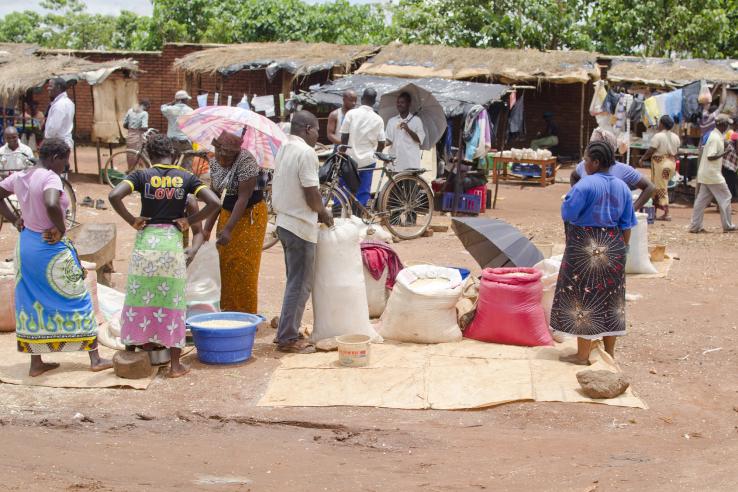
Researchers partnered with a local bank to learn how customers chose between two account types—an account that had been offered for many years, which carried high monthly fees but no individual transaction costs, or a new type of account that charged for each withdrawal but did not impose monthly maintenance fees. Customers without an existing account recognized the advantages of the new type of account and overwhelmingly chose to open one, while many customers with the existing account type did not switch to the new one. However, of the existing customers, those who used their account more due to receiving a financial transfer in the past did switch to the new account type, suggesting that more experience using financial products can improve financial decision-making.
Evaluation
Candidate Debate Participation for Citizen Engagement and Electoral Outcomes in Liberia
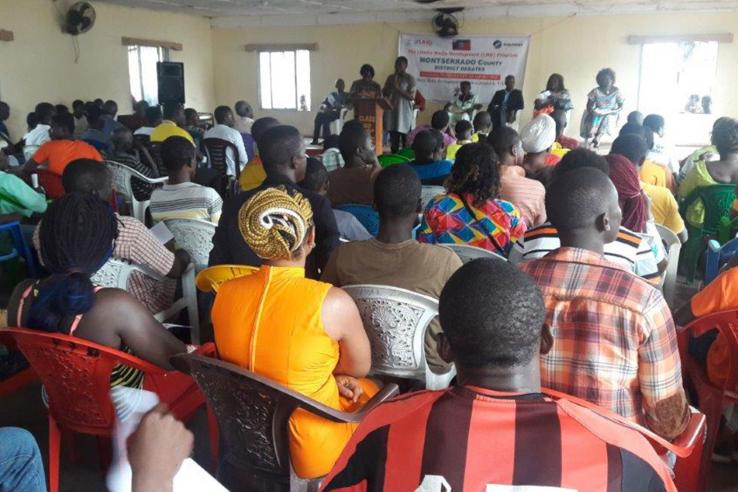
Researchers evaluated a nationwide debate initiative in Liberia designed to solicit and rebroadcast policy promises from legislative candidates. Results indicated that when leading candidates participated in debates, citizens were more engaged and informed.
Evaluation
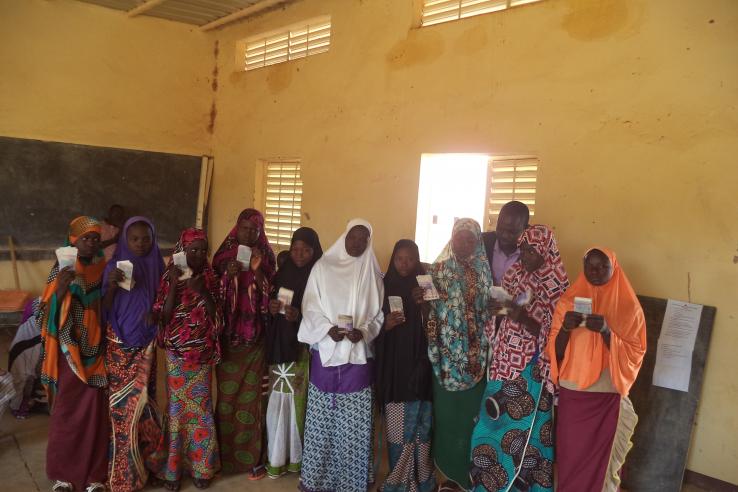
The Effects of Middle School Scholarships on Child Marriage in Niger
Government ministries introduced middle school scholarships to cover girls’ transportation, housing, and supplies; researchers evaluated how paying for out-of-pocket expenses affected schooling impacts and child marriage. The researchers found that the intervention reduced girls’ chance of leaving middle school by 53 percent and reduced their chance of getting married as children by 49 percent.

Evaluation
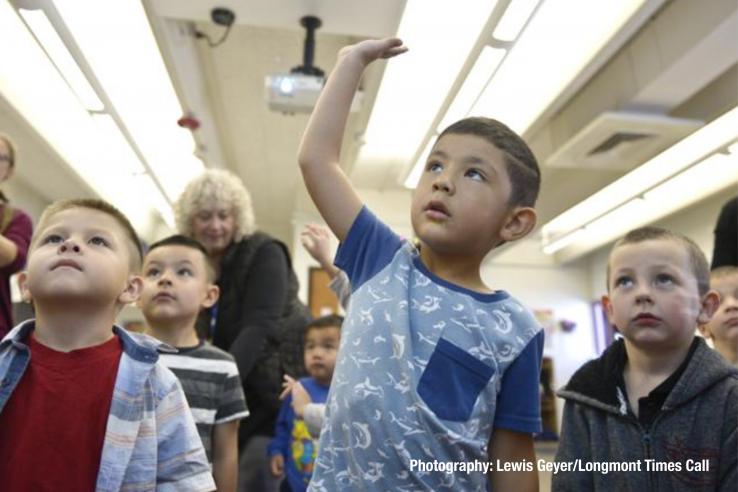
Evaluating the Impact of a Tech-Based Early Childhood Vocabulary Program in the United States
Researchers evaluated the impact of a vocabulary improvement “edutainment” program for young children, Big Word Club, on children’s receptive vocabulary. Researchers found that the Big Word Club increased students’ knowledge and retention of words included in the program without detracting from other vocabulary development.

Evaluation
Letters of Recommendation for Youth Employment in the United States
Researchers partnered with SYEP employers to create personalized letters of recommendation for SYEP participants to evaluate the impact of recommendation letters on participants’ educational and employment outcomes after the program. Youth who received the letter of recommendation saw a 3 percentage point increase in employment in the first year after SYEP participation and, over four years, made $545 more than those who did not receive letters of recommendation.