

Displaying 8176 - 8190 of 8540
Person
Samuel Bazzi
Samuel Bazzi is a Professor of Economics in the School of Global Policy and Strategy and the Department of Economics at the University of California San Diego (UCSD).
Person
Emily Beam
Person
Valentina Duque
Person
Lisnawati Lisnawati
Person
Assi KIMOU
Event
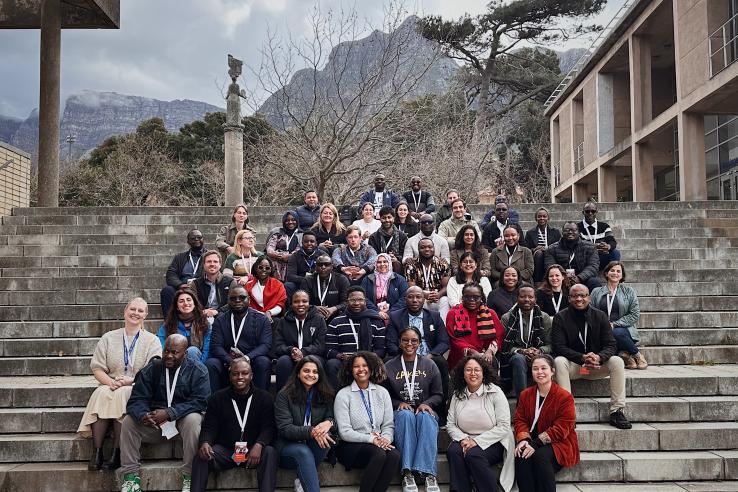
J-PAL Africa Evaluating Social Programs Course
The J-PAL Africa Evaluating Social Programs Course will provide a thorough understanding of randomized evaluations and pragmatic step-by-step training for conducting one’s own evaluation.
Evaluation
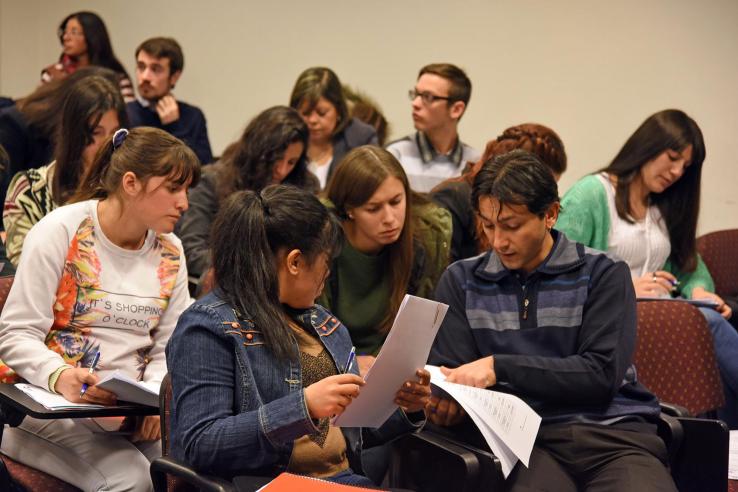
The Effects of Working While in School in Uruguay
Researchers partnered with the government of Uruguay to evaluate the impact of a national youth employment program. The program increased participants’ earnings and school enrollment during and up to two years after the program, suggesting that work-study programs may ease students’ school-to-work transition.
Resource
Basic page
Evaluating Social Programs
J-PAL's Evaluating Social Programs course equips participants with the tools to rigorously assess the impact of programs and policies using randomized evaluations.
Person
Manaswini Rao
Manaswini Rao is an Assistant Professor of Economics at the Alfred Lerner College of Business and Economics at the University of Delaware. Her primary research interests are in development economics, organizational economics, and the economics of institutions, with a particular focus on legal and...
Person
Gary Painter
Person
Lauren Nichols
Policy insight
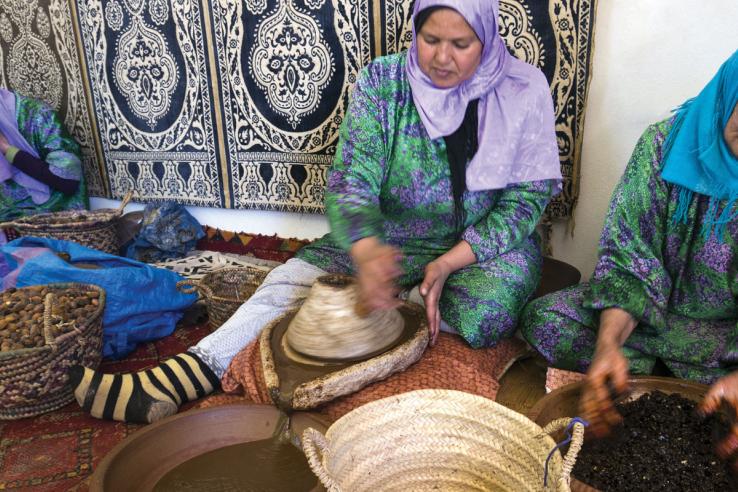
Can relaxing credit constraints boost farmers' profits?
Credit and grants ease farmers’ financial pressures, allowing them to invest in their farms, but on their own, these tools rarely boost farmers’ profits. Integrating credit or grants into bundled input programs enables farmers to take part in programs that address multiple barriers simultaneously...
Evaluation
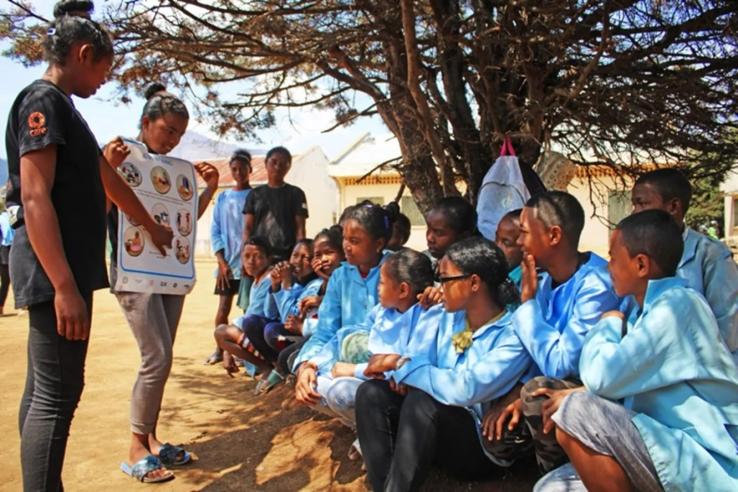
Addressing Menstrual Stigma and Hygiene to Improve Education and Psychosocial Well-Being among Adolescent Girls in Madagascar
Researchers evaluated the impact of a program addressing constraints related to hygiene infrastructure and access to sanitary products while addressing social stigma around menstruation, on girls’ learning and psychosocial well-being in Madagascar. The program led to improvements in academic learning outcomes and anxiety. Reduction in stigma and improvements in observed hygiene behaviors were larger in schools with peer leaders who were identified, trained, and coached to address these harmful social norms.
Evaluation
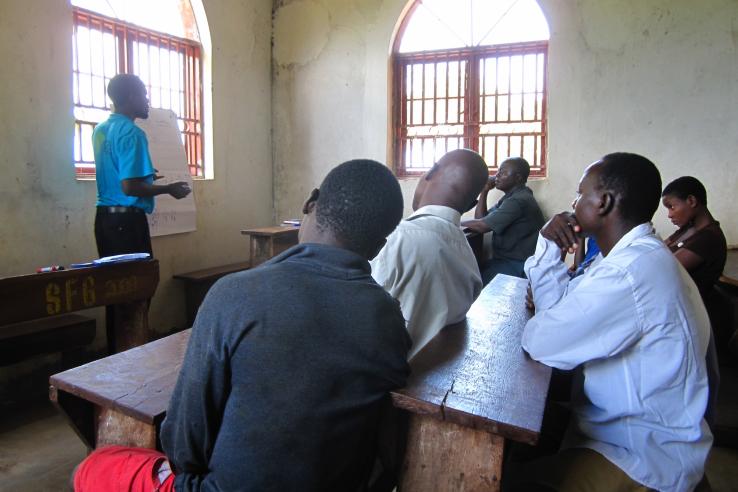
Unconditional Cash Grants for People with HIV/AIDS in Uganda
Research has shown that HIV/AIDS impacts not only the health of infected individuals, but also their financial security, and the financial security of their households, often aggravating existing poverty. Researchers will introduce unconditional cash grants, coupled with financial planning sessions, to people living with HIV/AIDS to evaluate the impact on the health and financial security outcomes of participants.