Crime, Violence, and Conflict
Crime and violence can hinder economic development and urban growth, and exacerbate governance challenges by fostering corruption and draining public sector resources. Poorly designed efforts to prevent or reduce crime and violence can also impose substantial social and economic costs on communities.
Key questions include the motivations behind criminal and violent behavior, ways of better understanding how social and political violence are organized, and evaluating the impact of policy responses designed to deter crime and violence or alleviate their negative effects. J-PAL affiliates’ research explores critical questions in this field, including how to cost-effectively improve police performance and perception, help at-risk youth reduce criminal and violent behavior, and reconcile communities in post-conflict fragile states.
In addition to supporting policymakers in applying evidence from randomized evaluations to their work, sector chairs and staff write policy insights that synthesize general lessons emerging from the research, condense results from evaluations in policy publications and evaluation summaries, and fund new research in low- and middle-income countries through the Crime and Violence Initiative and in the United States through the Initiative for Effective US Crime Policy.
Blog
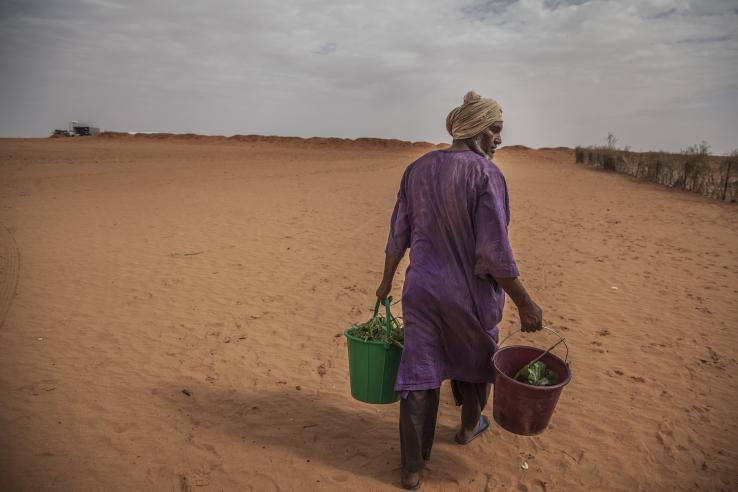
The Evidence Effect: Evidence for action in conflict and crisis
The people in urgent need of humanitarian assistance are among those hardest hit by cuts to foreign aid. With humanitarian funding at historic lows, many essential services are being scaled back or suspended altogether, leading to preventable deaths and putting millions more lives at risk. Restoring...
The Evidence Effect
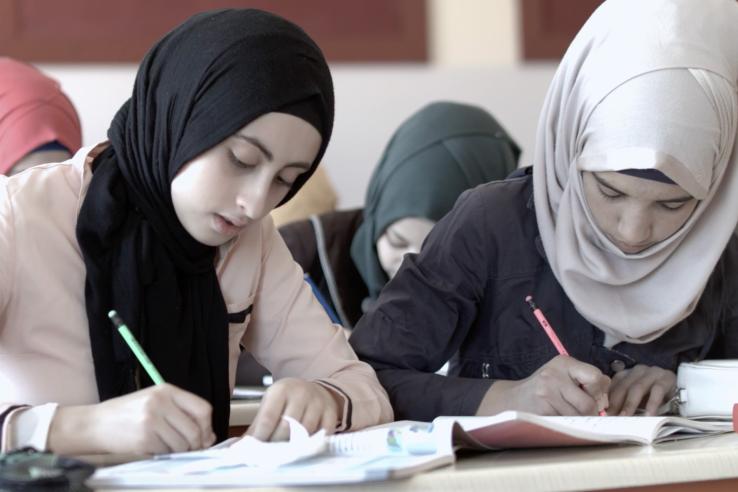
From bias to belonging through perspective-taking
Perspective-taking—a psychological approach that encourages people to envision spending a day in another person's shoes—can foster trust, inclusion, and cooperation in communities divided by crisis.
The Evidence Effect
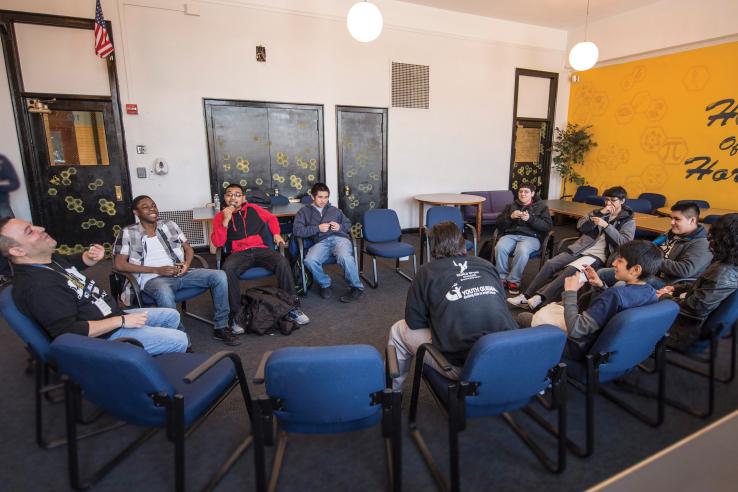
A smarter way to reduce violence? Teach yourself to think differently
Training people to think differently in challenging situations can reduce violence and make communities safer.
Case study
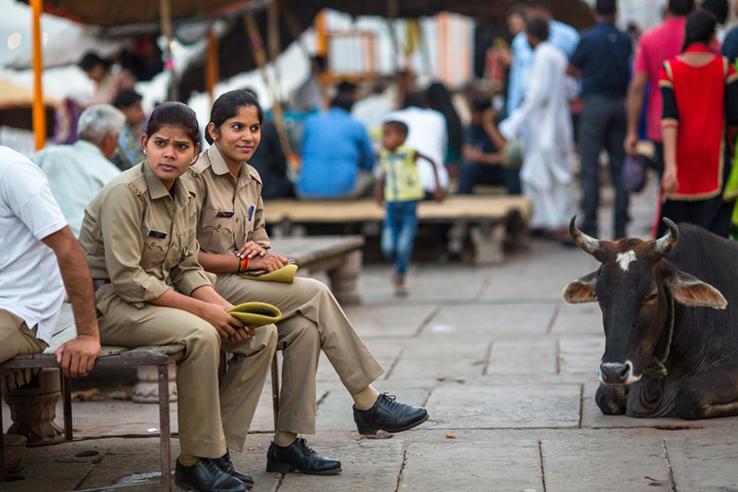
Help desks to improve women's access to justice
In India, the state of Madhya Pradesh scaled women’s help desks to 950 police stations statewide, making it easier for women to register crimes.
Case study
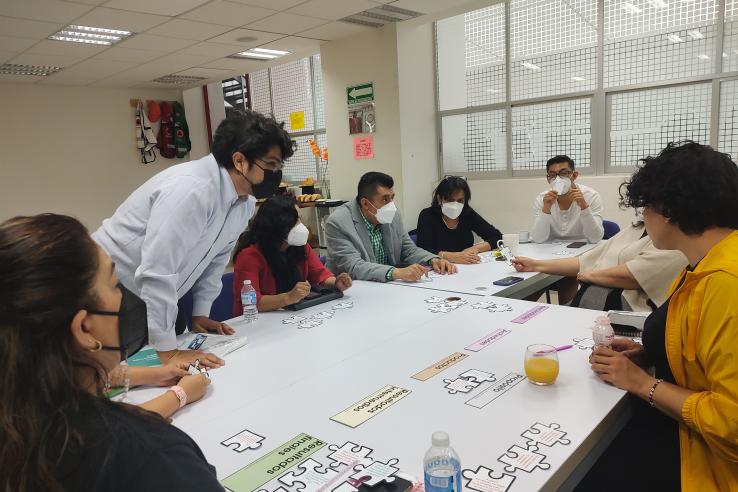
Strengthening initiatives to support women facing violence through a government collaboration
To better support women experiencing gender-based violence, the Mexico City Women's Committee (SEMUJERES) partnered with J-PAL affiliated researchers and J-PAL LAC to pilot new interventions, improve a cash transfer program, and embed evidence-informed practices into policy design and delivery.
File: Policy publication
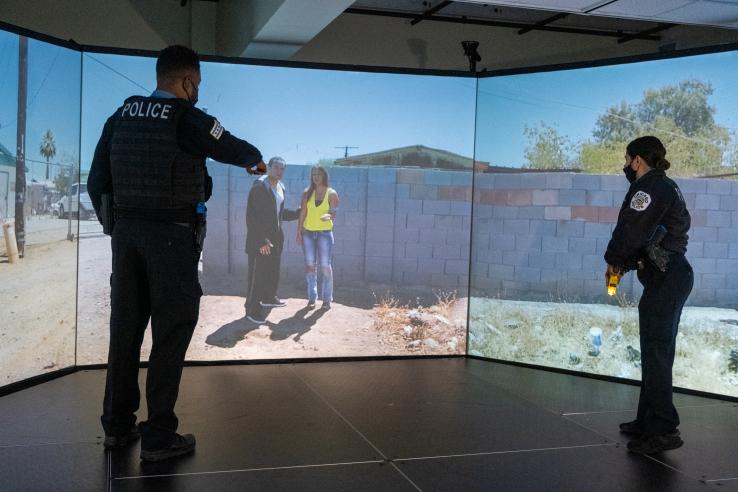
A Cognitive Training to Improve Police Decision-Making
Adverse policing practices such as excessive use of force and unnecessary arrests, can be harmful to individuals and community members, and erode the public’s trust in police. To address this, researchers partnered with the Chicago Police Department to evaluate the impact of a new cognitive police...

File: Policy publication
Exploring the Intersections Between Climate, Governance & Conflict: GCCI Evidence Review
How do governance and conflict dynamics interact with climate change? What interventions can we invest in beyond mitigation to help manage the impacts of the climate crisis on governance and conflict? In this brief, we provide an overview of the theoretical frameworks and (quasi-) experimental...