

J-PAL J-PAL
The Abdul Latif Jameel Poverty Action Lab
  • About
    • Overview
    • People
      • Affiliated Professors
      • Invited Researchers
      • J-PAL Scholars
      • Board
      • Leadership
      • Staff
    • Strengthening Our Work
    • Code of Conduct
    • Initiatives
    • Events
    • Blog
    • News
    • Press Room
  • Offices
    • Overview
    • Global
    • Africa
    • Europe
    • Latin America and the Caribbean
    • Middle East and North Africa
    • North America
    • South Asia
    • Southeast Asia
  • Sectors
    • Overview
    • Agriculture
    • Crime, Violence, and Conflict
    • Education
    • Environment, Energy, and Climate Change
    • Finance
    • Firms
    • Gender
    • Health
    • Labor Markets
    • Political Economy and Governance
    • Social Protection
  • Evaluations
  • Research Resources
    • About Us
    • Our Work
    • Join ASPIRE
    • Newsroom
  • Policy Insights
  • Evidence to Policy
    • Pathways and Case Studies
    • The Evidence Effect
  • Blog
  • Careers
  • Courses
  • For Affiliates
  • Support J-PAL

Utility menu

  • Blog
  • Careers
  • Courses
  • For Affiliates
  • Support J-PAL

Quick links

  • Evaluations
  • Research Resources
  • Policy Insights
  • Evidence to Policy
    • Pathways and Case Studies
    • The Evidence Effect
  • About

    The Abdul Latif Jameel Poverty Action Lab (J-PAL) is a global research center working to reduce poverty by ensuring that policy is informed by scientific evidence. Anchored by a network of more than 1,100 researchers at universities around the world, J-PAL conducts randomized impact evaluations to answer critical questions in the fight against poverty.

    • Overview

      The Abdul Latif Jameel Poverty Action Lab (J-PAL) is a global research center working to reduce poverty by ensuring that policy is informed by scientific evidence. Anchored by a network of more than 1,100 researchers at universities around the world, J-PAL conducts randomized impact evaluations to answer critical questions in the fight against poverty.

      • Affiliated Professors

        Our affiliated professors are based at over 130 universities and conduct randomized evaluations around the world to design, evaluate, and improve programs and policies aimed at reducing poverty. They set their own research agendas, raise funds to support their evaluations, and work with J-PAL staff on research, policy outreach, and training.

      • Invited Researchers
      • J-PAL Scholars
      • Board
        Our Board of Directors, which is composed of J-PAL affiliated professors and senior management, provides overall strategic guidance to J-PAL, our sector programs, and regional offices.
      • Leadership
      • Staff
    • Strengthening Our Work

      Our research, policy, and training work is fundamentally better when it is informed by a broad range of perspectives.

    • Code of Conduct
    • Initiatives
      J-PAL initiatives concentrate funding and other resources around priority topics for which rigorous policy-relevant research is urgently needed.
    • Events
      We host events around the world and online to share results and policy lessons from randomized evaluations, to build new partnerships between researchers and practitioners, and to train organizations on how to design and conduct randomized evaluations, and use evidence from impact evaluations.
    • Blog
      News, ideas, and analysis from J-PAL staff and affiliated professors.
    • News
      Browse news articles about J-PAL and our affiliated professors, read our press releases and monthly global and research newsletters, and connect with us for media inquiries.
    • Press Room
      Based at leading universities around the world, our experts are economists who use randomized evaluations to answer critical questions in the fight against poverty. Connect with us for all media inquiries and we'll help you find the right person to shed insight on your story.
  • Offices
    J-PAL is based at MIT in Cambridge, MA and has seven regional offices at leading universities in Africa, Europe, Latin America and the Caribbean, Middle East and North Africa, North America, South Asia, and Southeast Asia.
    • Overview
      J-PAL is based at MIT in Cambridge, MA and has seven regional offices at leading universities in Africa, Europe, Latin America and the Caribbean, Middle East and North Africa, North America, South Asia, and Southeast Asia.
    • Global
      Our global office is based at the Department of Economics at the Massachusetts Institute of Technology. It serves as the head office for our network of seven independent regional offices.
    • Africa
    • Europe
    • Latin America and the Caribbean
    • Middle East and North Africa
    • North America
    • South Asia
    • Southeast Asia
  • Sectors
    Led by affiliated professors, J-PAL sectors guide our research and policy work by conducting literature reviews; by managing research initiatives that promote the rigorous evaluation of innovative interventions by affiliates; and by summarizing findings and lessons from randomized evaluations and producing cost-effectiveness analyses to help inform relevant policy debates.
    • Overview
      Led by affiliated professors, J-PAL sectors guide our research and policy work by conducting literature reviews; by managing research initiatives that promote the rigorous evaluation of innovative interventions by affiliates; and by summarizing findings and lessons from randomized evaluations and producing cost-effectiveness analyses to help inform relevant policy debates.
    • Agriculture
      How can we encourage small farmers to adopt proven agricultural practices and improve their yields and profitability?
    • Crime, Violence, and Conflict
      What are the causes and consequences of crime, violence, and conflict and how can policy responses improve outcomes for those affected?
    • Education
      How can students receive high-quality schooling that will help them, their families, and their communities truly realize the promise of education?
    • Environment, Energy, and Climate Change
      How can we increase access to energy, reduce pollution, and mitigate and build resilience to climate change?
    • Finance
      How can financial products and services be more affordable, appropriate, and accessible to underserved households and businesses?
    • Firms
      How do policies affecting private sector firms impact productivity gaps between higher-income and lower-income countries? How do firms’ own policies impact economic growth and worker welfare?
    • Gender
      How can we reduce gender inequality and ensure that social programs are sensitive to existing gender dynamics?
    • Health
      How can we increase access to and delivery of quality health care services and effectively promote healthy behaviors?
    • Labor Markets
      How can we help people find and keep work, particularly young people entering the workforce?
    • Political Economy and Governance
      What are the causes and consequences of poor governance and how can policy improve public service delivery?
    • Social Protection
      How can we identify effective policies and programs in low- and middle-income countries that provide financial assistance to low-income families, insuring against shocks and breaking poverty traps?
Displaying 8026 - 8040 of 8538
Job

Assistant Director - Human-Centered Weather Forecasts

Person

Sandra Margarita Sandoval Cifuentes

Person

Ruben Menon

Ruben Menon joined J-PAL South Asia in June 2012 as the Director of Finance and Operations. Ruben comes in with 15 years of experience in the NGO sector, particularly health, and has worked with International NGOs like Population Services International (PSI) and Care India.
Person

Rama Murthy Sripada

Rama Murthy Sripada is a Senior Research Manager at J-PAL South Asia, where he works on managing the data and analysis needs of a portfolio of two to three active and ongoing projects under the RISE project.
Person

Sadhana Babuji

Sadhana Babuji is currently a Research Associate at J-PAL South Asia. At J-PAL, she is working on the Identifying and Nurturing Math Talent project in Tamil Nadu.
Person

Raunak Jha
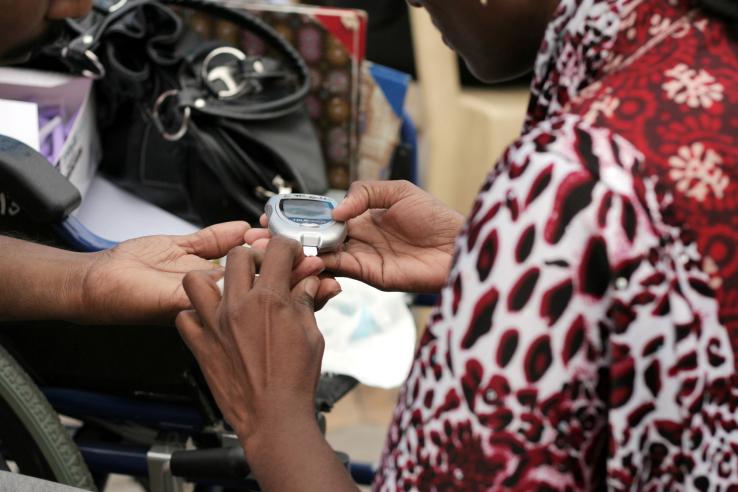
Measuring a patient's blood sugar
Evaluation

Designing Incentives to Combat Urban Diabetes in India

In partnership with the Government of Tamil Nadu, researchers evaluated the impact of incentivizing and monitoring walking on exercise and health. Incentives increased walking and improved health, as measured by risk factors for diabetes and by mental health.

Adult and child sit in classroom looking over papers
Evaluation

Recreational Tutoring to Fight Early-Age School Difficulties in France (APFEE)

Researchers assessed the impact of a recreational tutoring program on students’ academic achievements and interest for school work provided by the NGO Apfee. Researchers found that children identified as falling behind by their teachers in schools where the tutoring program was offered did not improve their reading or math skills, although they developed a taste for reading and academic subjects. These results hold two years after the implementation of the program.
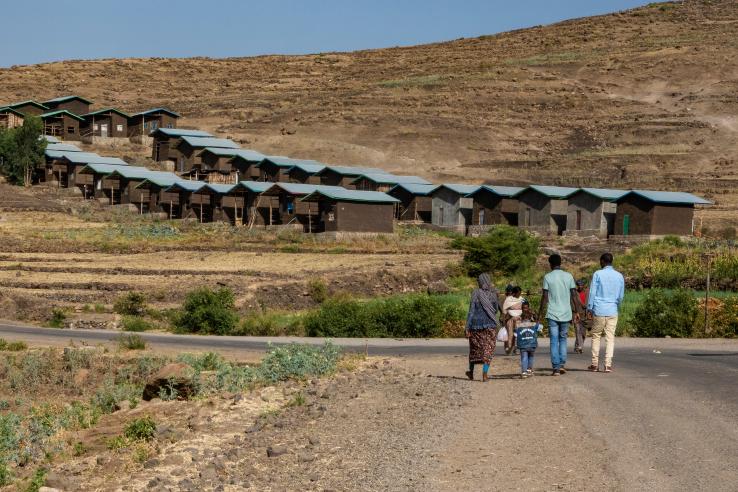
Housing in Ethiopia
Evaluation

Housing Lottery to Increase Demand for Formal Government Housing and Improve Welfare in Ethiopia

In low- to middle-income countries around the world, nearly one billion people lived in urban informal settlements as of 2018. Rapid urbanization in most large African cities has led to both more people and a higher proportion of people living in informal settlements over time. Researchers conducted a randomized evaluation to test the impact of winning the housing lottery on the demand for formal government housing, consumption, labor market outcomes, social networks, and community and public goods in Addis Ababa, Ethiopia. Winning the housing lottery increased demand for formal government housing: nearly 46 percent of participant households that win the lottery chose to move into their formal housing, indicating many prefer to live in government housing despite the high implicit cost that they pay to do so.
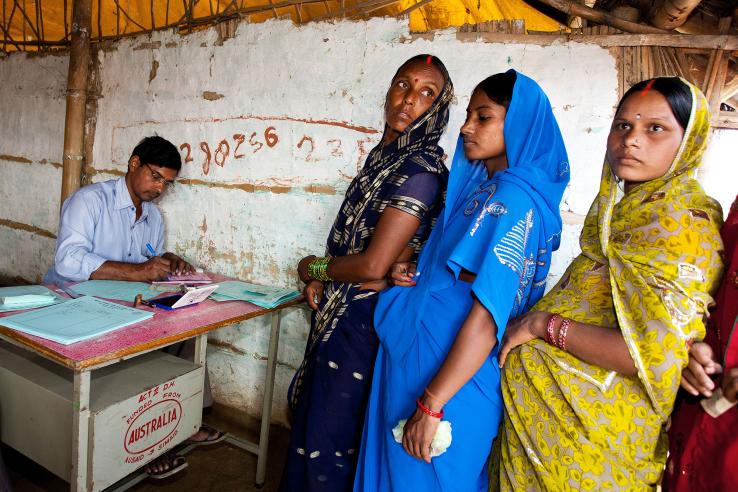
Women wait in line at a rural pregnancy clinic in Adapur, Bihar, India.
Evaluation

Training Informal Healthcare Providers to Improve the Quality of Care in India

Informal healthcare workers with little to no training provide more than 70 percent of all primary care in rural India. In this study, researchers evaluated the impact of a nine-month training...

A teacher helping a student one-on-one
Evaluation

The Effect of Mentoring on School Attendance and Academic Outcomes: A Randomized Evaluation of the Check & Connect Program

Researchers conducted a randomized evaluation of Check & Connect (C&C), a school-based mentoring program, to evaluate its impact on school attendance and academic outcomes. For students who began the program in grades 5-7, the program decreased student absences and caused participating students to fail fewer courses.
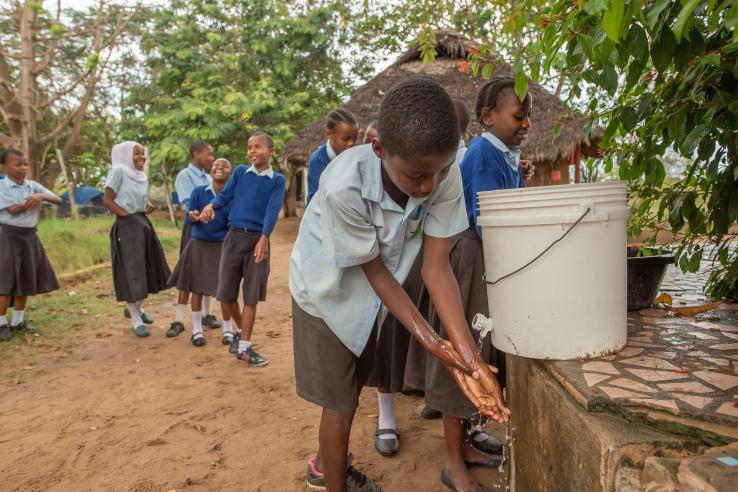
A boy washes his hands while other students are waiting in line for their turn
Evaluation

The Impact of Sanitation and Hand-Washing Promotion Campaigns on Child Health in Tanzania

Researchers conducted a randomized evaluation to measure the impact of sanitation and hand-washing promotion campaigns, alone and in combination, on household knowledge, behavior, and child health (diarrhea prevalence, stunting, wasting, and anemia). While the program improved hygiene and sanitation behavior, it had no impact on child health outcomes.

Filipino family eating outside
Evaluation

Social Integration Effects of Pre-Migration Information Sessions in the Philippines

Researchers conducted a randomized evaluation to investigate whether an expanded and more thorough version of an orientation program in the Philippines improved socioeconomic outcomes and facilitated settlement for migrants upon moving to the United States. The research team found that though the program did not have many sizable impacts, migrants who received the new orientation program acquired fewer social network connections in the United States.
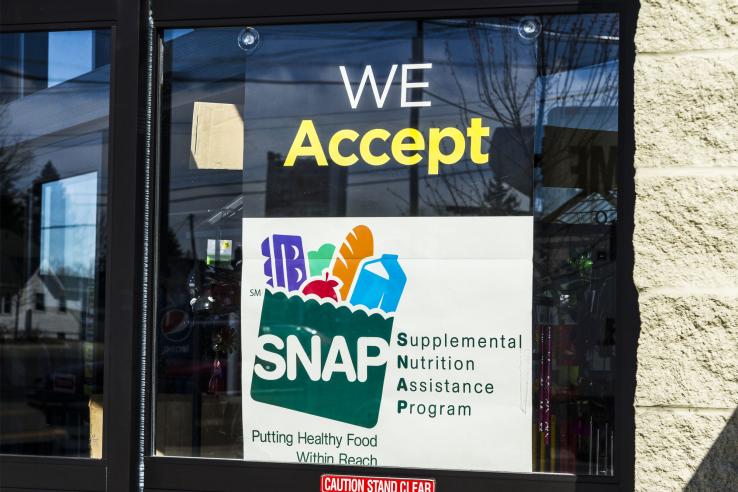
A Sign at a Retailer - "We Accept SNAP II"
Evaluation

The Impact of Informational Mailings on SNAP Enrollment in the United States

Researchers studied the impact of providing outreach and assistance to households that are likely eligible for the Supplemental Nutrition Assistance Program (SNAP), previously known as food stamps, on enrollment in the program.
Person

Fernando José Saenz Aguilar

Fernando Saenz is a Senior Research Associate at J-PAL LAC, where he supports the implementation of randomized controlled trials by managing data processes and ensuring data quality throughout the data collection lifecycle.

Pagination

  • First page « First
  • Previous page ‹
  • …
  • Page 534
  • Page 535
  • Current page 536
  • Page 537
  • Page 538
  • …
  • Next page ›
  • Last page Last »
J-PAL

J-PAL

400 Main Street

E19-201

Cambridge, MA 02142

USA

Contact

+1 617 324 6566

[email protected]


Press Room

Stay Informed

Receive our newsletters

Subscribe


Privacy Policy

Accessibility

MIT