

Displaying 2131 - 2145 of 7216

Evaluation
Combating Corruption in Community Development in Indonesia
J-PAL affiliate Benjamin Olken (MIT) devised a method to measure corruption and used it to evaluate alternative strategies to reduce corruption on Indonesian roadbuilding projects. The evaluation tested two types of strategies: encouraging community participation and increasing the probability of centrally-administered audits. The results suggest that community participation should not be seen as a panacea for corruption, while also demonstrating that even entrenched corruption can be reduced.
Evaluation
Direct Democracy and Local Public Goods in Indonesia
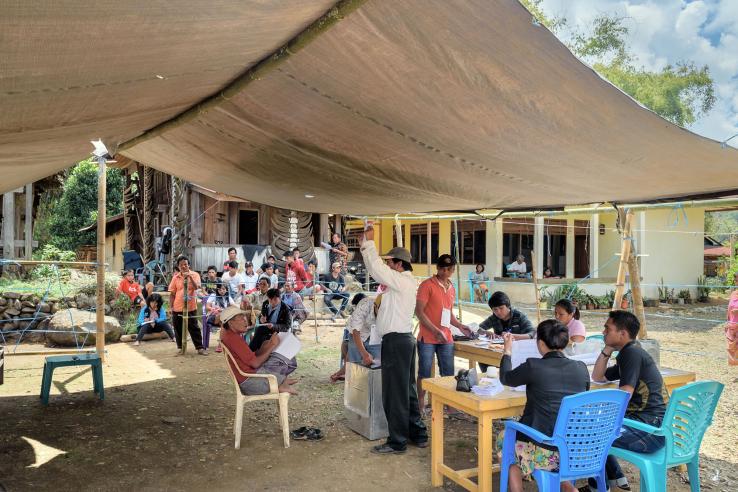
Researchers randomly assigned 49 villages in Indonesia to choose local infrastructure projects through either a direct election or a representative-based meeting. Choosing local infrastructure projects by direct election, rather than through representatives, had a small effect on the types of projects selected but a large impact on citizen satisfaction.
Evaluation
Can Informational Campaigns Raise Awareness and Local Participation in Primary Education in India?
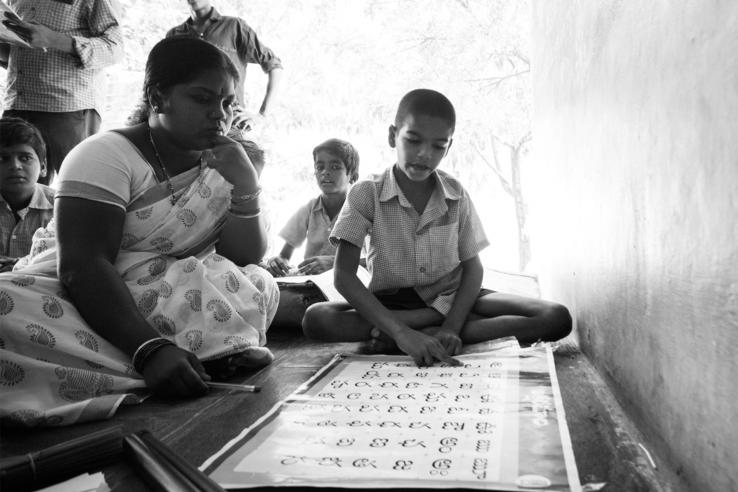
Researchers examined whether increasing community oversight and participation could improve education outcomes in Uttar Pradesh, India. Mobilizing community members to monitor local schools through Village Education Committees did not increase participation in school governance or improve education outcomes, but training local volunteers to teach basic reading outside school had a positive impact on student learning.
Blog
Alumni Voices: A new era of humanitarian action
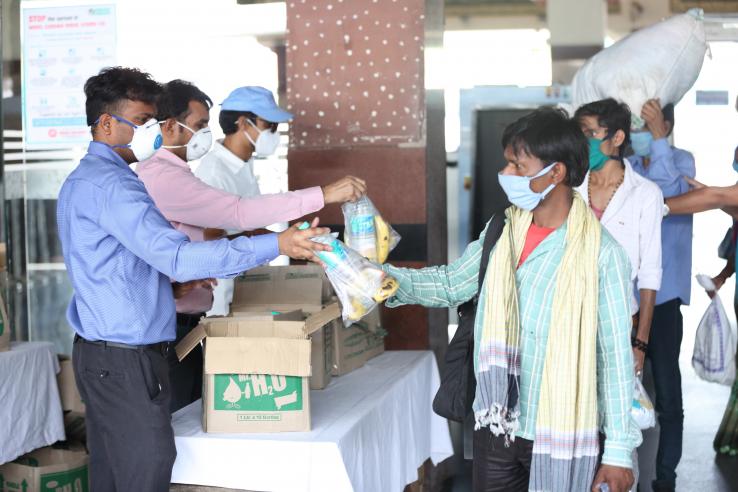
In this inaugural post in the Alumni Voices series, Bhavya Srinivasan (former Senior Finance and Operations Manager, J-PAL South Asia ’14) discusses her work at Start Network to build a stronger humanitarian system for the COVID-19 response.

Evaluation
Measuring the Impact of Microfinance in Hyderabad, India
Researchers evaluated the impact of increased access to microcredit on the economic and social well-being of women and their families in Hyderabad, India. They found that microcredit had mixed effects on business activities and little to no effect on women’s empowerment or children’s education.
Evaluation
Community Driven Development in Sierra Leone
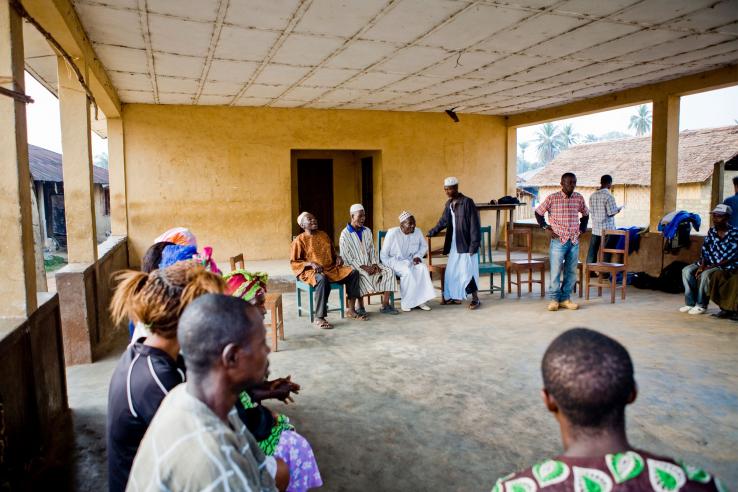
Researchers studied the impact of a community driven development program in Sierra Leone in the short and long-run and contrasted it with a technocratic approach to delegate the management of development projects to high skill individuals. In the short term, the CDD program increased the stock of higher quality local public goods, but did not lead to fundamental changes in local institutions or decision-making in the shorter term. The technocratic selection intervention improved local project management relative to the traditional status quo and the long-term institutional reform through the CDD intervention.
Evaluation
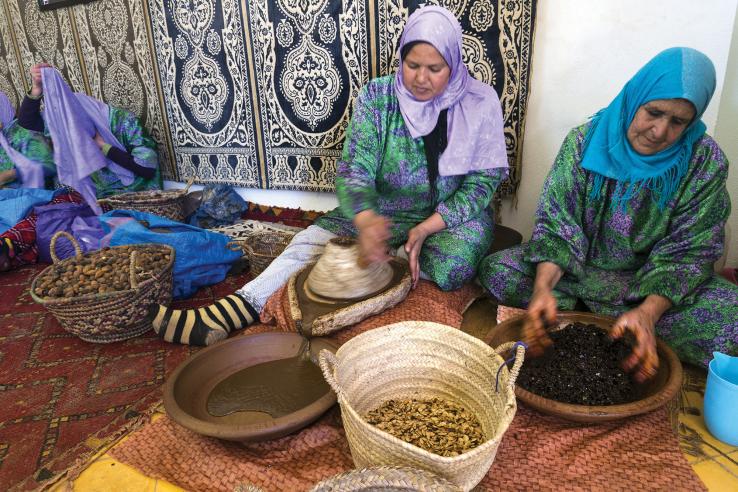
Microcredit in Rural Morocco
Researchers estimated the impact of a microcredit program, which was randomly rolled out in rural areas of Morocco. Thirteen percent of the households in treatment villages took a loan, and none in comparison villages did. Among households identified as more likely to borrow, microcredit access led to a significant rise in investment in assets used for self-employment activities, and an increase in profit, but also to a reduction in income from casual labor. Overall, there was no gain in income or consumption.

Evaluation
Effect of Matching Ratios on Charitable Giving in the United States
Researchers found that matching gifts were an effective fundraising tactic, increasing the likelihood of donation and total donations, but larger match ratios did not return more donations than smaller match ratios.

Evaluation
Project Generasi: Conditional Community Block Grants in Indonesia
Researchers partnered with the Government of Indonesia to evaluate the impact of community block grants and the additional effect of performance incentives. They found that community block grants improved health and education in Indonesian villages, and adding performance incentives sped up improvements in health.
Person
Dean Yang
Dean Yang is a Professor at the Ford School of Public Policy and Department of Economics at the University of Michigan. His areas of interest include international migration and remittances, technology adoption, microfinance, human capital, disasters, international trade, and crime and corruption...
Evaluation
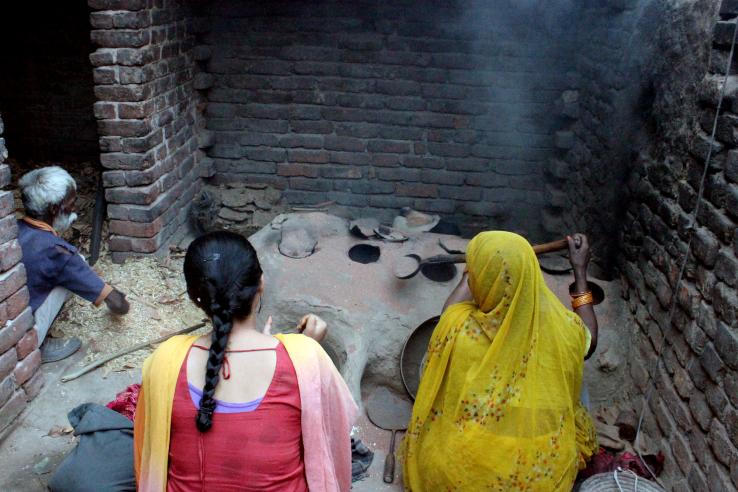
Cooking Stoves, Indoor Air Pollution, and Respiratory Health in India
While researchers found a meaningful reduction in smoke inhalation in the first year after households received an improved stove, there was no effect over longer time horizons. The difference between the laboratory and field results is due to households’ revealed low valuation of the stoves. Households failed to use the stoves regularly or appropriately, did not make the necessary investments to maintain them properly, and use ultimately declined over time.
Evaluation
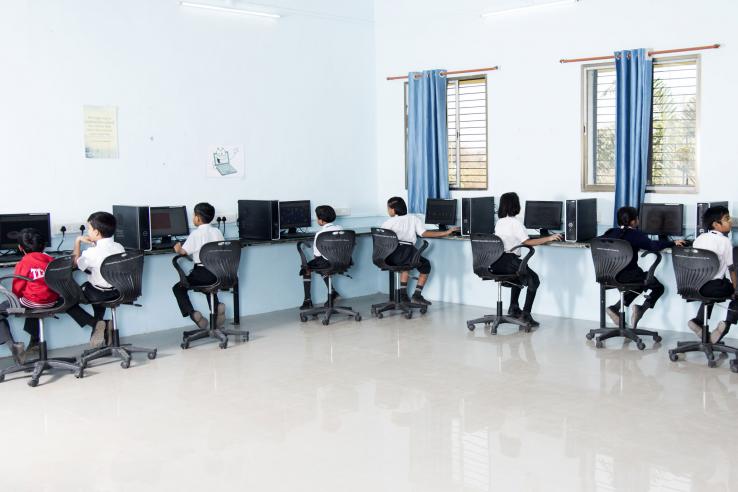
Complement or Substitute? The Effect of Technology on Student Achievement in India
Researchers in India attempted to measure the impact of a daily Computer Assisted Learning program on student test scores when delivered as either a substitute for or supplement to the status quo curriculum (delivered during or after school, respectively). While the program improved math scores for students when delivered as a supplement, it actually had a negative impact on math scores when delivered as a substitute for the status quo curriculum.

Evaluation
The Impact of a One-off Transfer of Assets and Skills on the Occupational Choices of Low-income Women in Bangladesh
Researchers partnered with BRAC to evaluate their multi-faceted livelihood program known as the Graduation Approach, which aims to encourage occupational change among women living in extreme poverty. The Graduation Approach enabled these women to shift away from seasonal casual wage labor and into livestock rearing, leading to an increase in earnings and a reduction in extreme poverty.
Evaluation
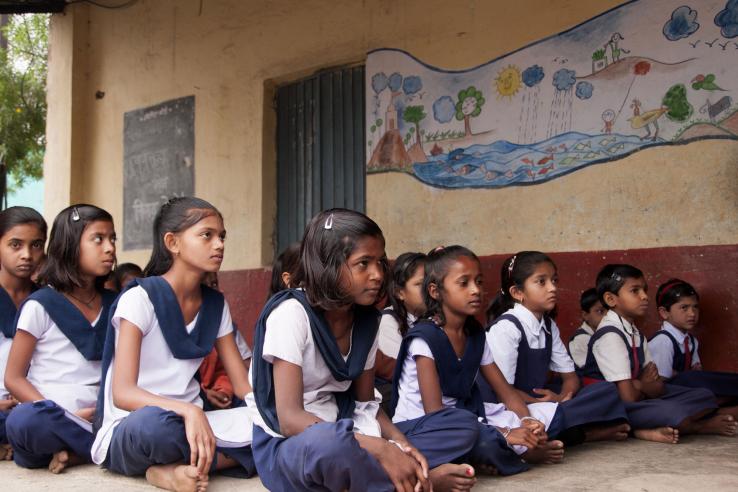
School Choice in Andhra Pradesh, India
In India, researchers measured the impact of providing vouchers to attend private schools on student learning. Students who won vouchers had test scores that were 0.13 standard deviations higher across all subjects.
Evaluation
Extra Contract Teachers in Andhra Pradesh, India
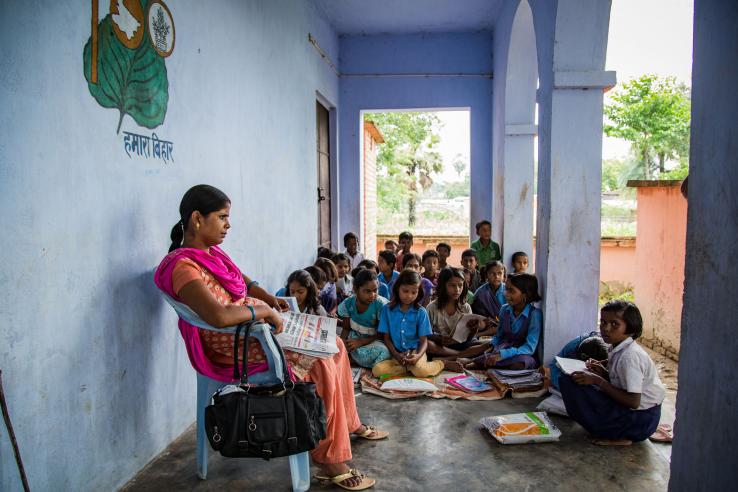
Researchers evaluated the impact of hiring extra contract teachers in primary schools in India on student learning. Results show that students in schools with an extra contract teacher performed significantly better than those in comparison schools in both math and language areas. Evidence also suggests that contract teachers in this context faced stronger incentives to perform well than regular teachers.