

Displaying 2161 - 2175 of 7216

Initiative Resource
Initiative projects and documents
MIT Roybal Center for Translational Research to Improve Health Care for the Aging
Evaluation
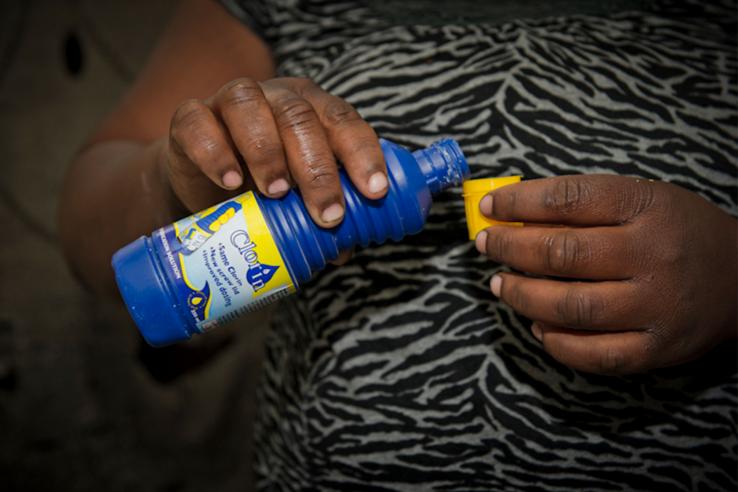
Can Higher Prices Stimulate Product Use? Evidence from a Randomized Experiment in Zambia
Researchers in Zambia found that the use of chlorine decreased with higher prices, but this decline was partially offset by better targeting of the product to families who were more likely to use it. Additionally, there was no evidence that higher offer prices screened out poorer or less educated households.
Evaluation
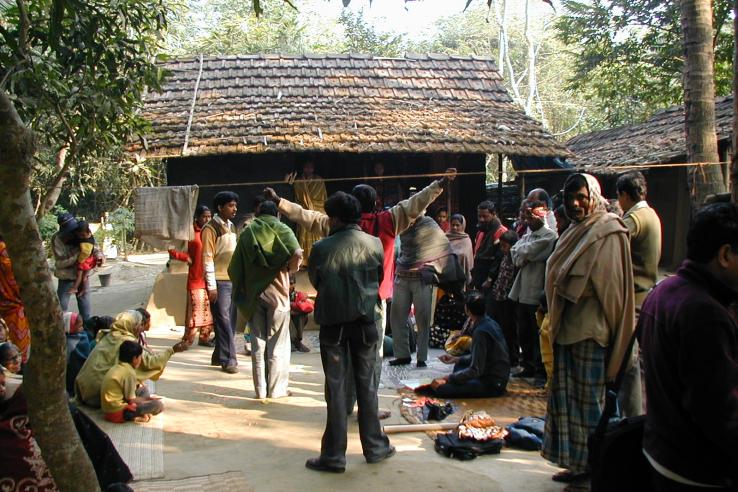
Impact of PR Reservations on Public Good Allocations
Following the implementation of a policy mandating lower-caste representation in some local village councils in India, researchers evaluated how lower-caste presidents invested in and distributed goods. They found that disadvantaged lower-caste groups received more public goods in councils with an elected leader from their own group.

Evaluation
Encouraging Underserved, Intellectually-Curious Children: An Evaluation of the Higher Achievement Program in Washington, DC
Researchers evaluated the academic impact of a “Cadillac” OST program in Washington, DC. Researchers found that the program increased students’ problem-solving and reading comprehension scores after two years.
Evaluation
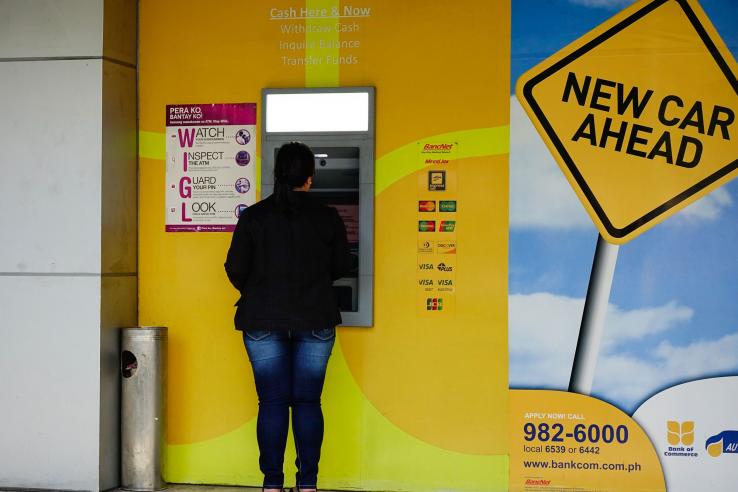
Spousal Control and Intra-Household Decision Making in the Philippines
Researchers designed a field study to identify how information and communication affect intra-household decisions. They found that Filipino spouses who don't control the household spending and savings decisions deposit money into their own accounts in private settings and commit it to consumption for themselves in public settings.
Evaluation
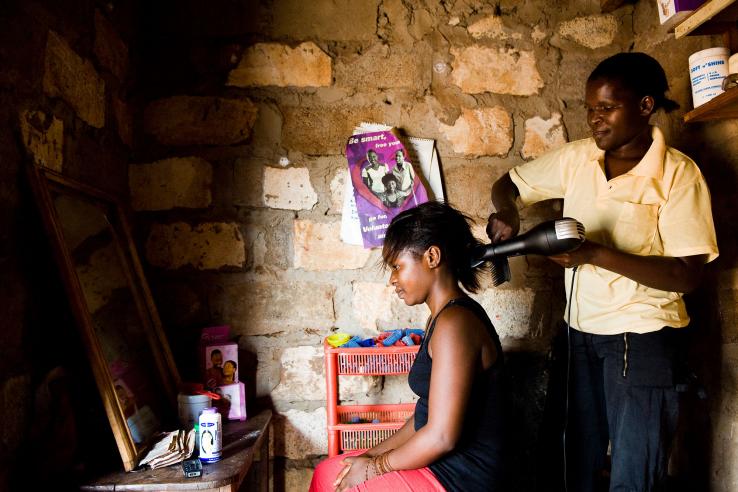
The Role of Incentives in the Distribution of Public Goods in Zambia
In Lusaka, Zambia, researchers compared the effect of financial and non-financial reward schemes on sales of female condoms. They found that non-financial incentives were more effective than financial rewards at motivating hair stylists to sell female condoms to their customers.
Person
Paul Gertler
Paul Gertler is the Li Ka Shing Professor of Economics at the University of California Berkeley where he holds appointments in the Haas School of Business and the School of Public Health. He is also the Director of UC Berkeley’s Graduate Program in Health Management and Scientific Director of the UC...
Evaluation
Contraceptive Adoption, Fertility, and the Family in Zambia
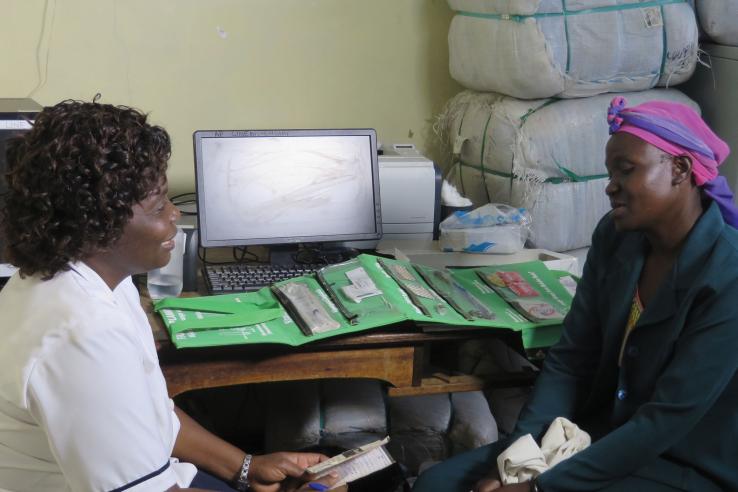
Researchers used an evaluation that varied whether women were given access to contraceptives alone or with their husbands to examine the effect of male involvement in family planning on fertility outcomes. Women who received private access to vouchers for contraceptives were more likely to take up and use contraception, compared to women whose husbands were involved in the voucher program.
Evaluation
The Psychology of Debt: An Experiment in the Philippines
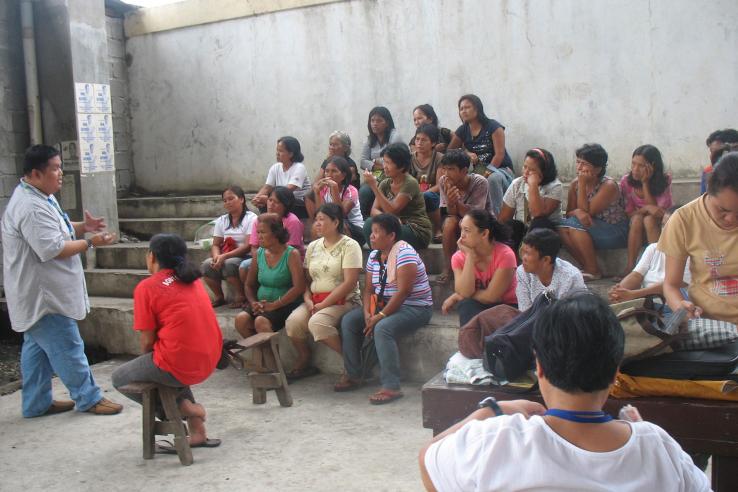
Researchers are testing whether giving vendors money to pay off their outstanding debts or offering financial literacy trainings can help break these borrowers' cycles of debt.
Evaluation
Health Education for Microcredit Clients in Peru
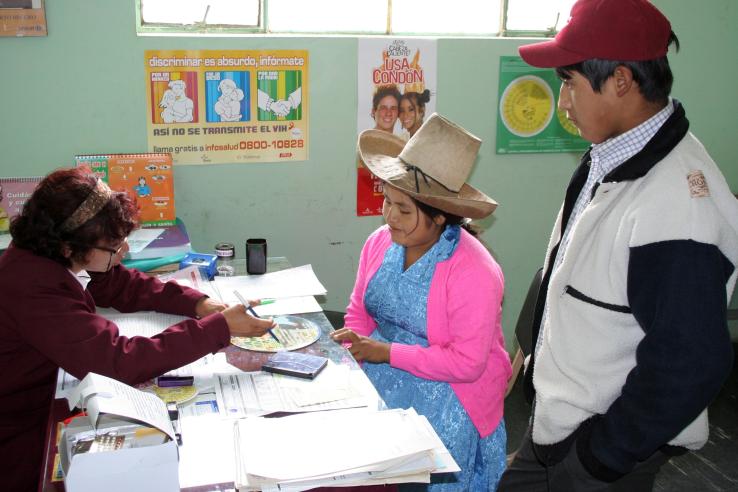
Researchers assessed whether the provision of health training alongside microfinance services impacted the health or financial behavior of Peruvian microcredit clients. They found that additional health training affected neither.
Evaluation
Combining Microcredit with Health Education in Benin
Researchers conducted a randomized evaluation of a bundled microcredit and health education program, delivered both to mixed-gender and female-only loan groups in Benin, to evaluate its impacts on health knowledge, health behaviors, and social outcomes. The integrated package of group microcredit and health education led to gains in women’s knowledge of both malaria and HIV/AIDS, but those gains did not translate into improvements in health behaviors.
Evaluation
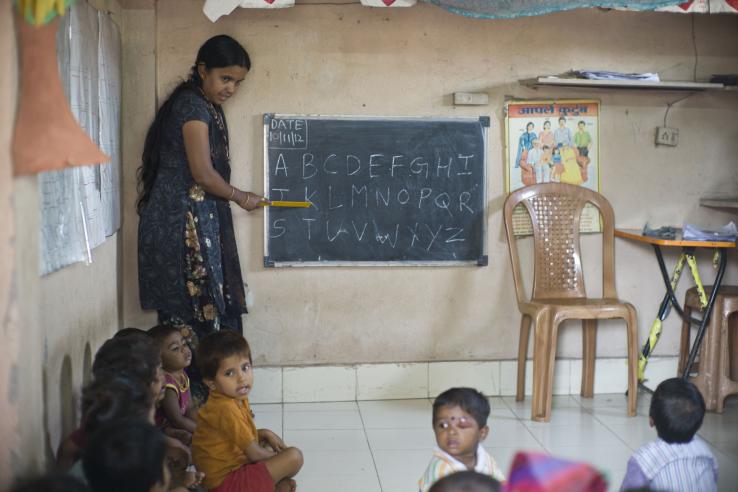
Teacher and Student Motivation, Family Participation, and Student Achievement in Rural Udaipur, India
In an ongoing evaluation, researchers are studying the relationship between teacher and student motivation, family participation, and student achievement in rural non-formal education (NFE) centers.
Evaluation
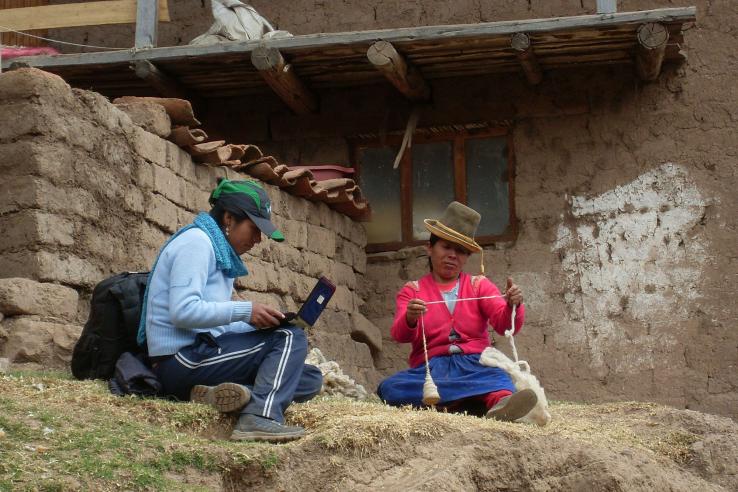
Graduating the Ultra-Poor in Peru
Researchers evaluated a multi-faceted approach aimed at improving long term income of the ultra-poor in Peru. They found that the approach had long-lasting economic and self-employment impacts and that the long-run benefits, measured in terms of household expenditures, outweighed their up-front costs.

Evidence to Policy Case Study
Case study
Information and mediation to improve labor courts
The Government of Mexico used insights from a randomized evaluation to inform a national labor law.
Evaluation
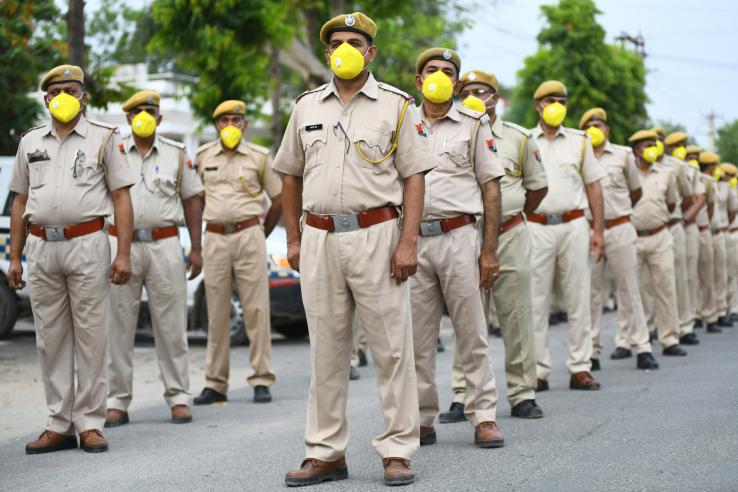
Police Performance and Public Perception in Rajasthan, India
In this randomized evaluation in Rajasthan, India, researchers examined the effectiveness of five interventions on police performance: limiting administrative transfers; rotating duties and days off; elevating community involvement; incorporating on-duty training; and implementing “decoy” visits by survey enumerators. While decoy visits and trainings improved police performance, the other three interventions were inconsistently implemented and had no detectable impact.