

Displaying 2866 - 2880 of 7224
Evaluation
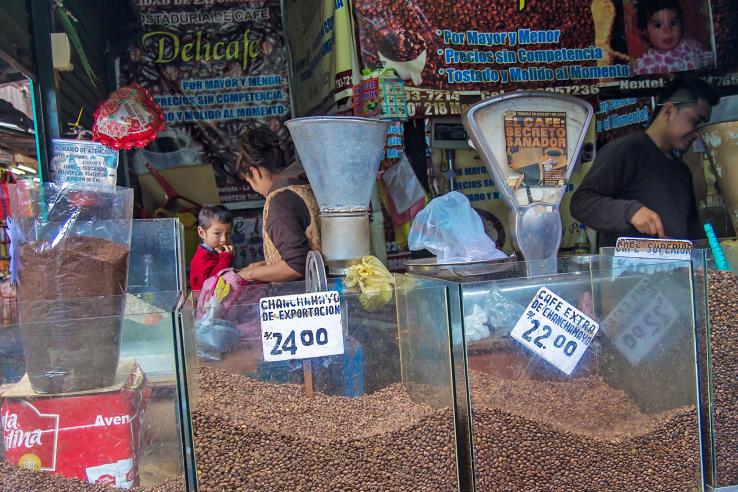
Business Education for Microcredit Clients in Peru
Researchers worked in Peru to measure the marginal impact of adding business training to a group lending program. The results of this study found business training slightly improved business practices, but had no impact on key business outcomes such as revenue and profit.
Evaluation
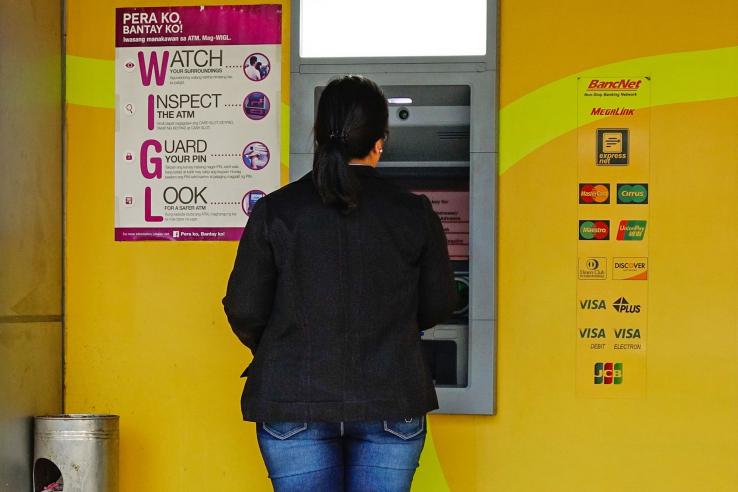
Commitment Savings Products in the Philippines
Researchers designed and implemented a commitment savings product called a SEED (Save, Earn, Enjoy Deposits) account, which restricted access to savings, thus potentially helping with either self-control or family-control issues. After one year, the commitment savings product led to increased savings and more decision making power in the household for women.
Evaluation
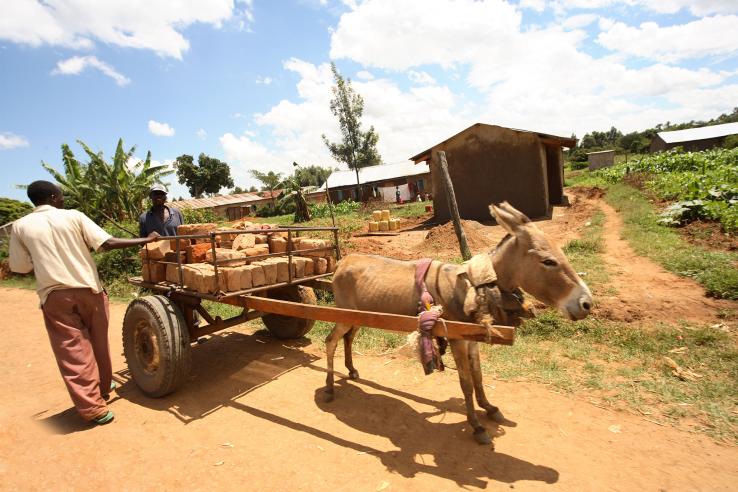
Finding Missing Markets: An Agricultural Brokerage Intervention in Kenya
Researchers evaluated whether a package of services, designed to help link smallholder farmers to commercial banks, retail farm suppliers, transportation services, and exporters, could help small farmers in Kenya adopt, finance, and market export crops, and thus make more income. One year after the program began, individuals who received the program were more likely to be growing an export crop, but incomes did not significantly improve.
Evaluation
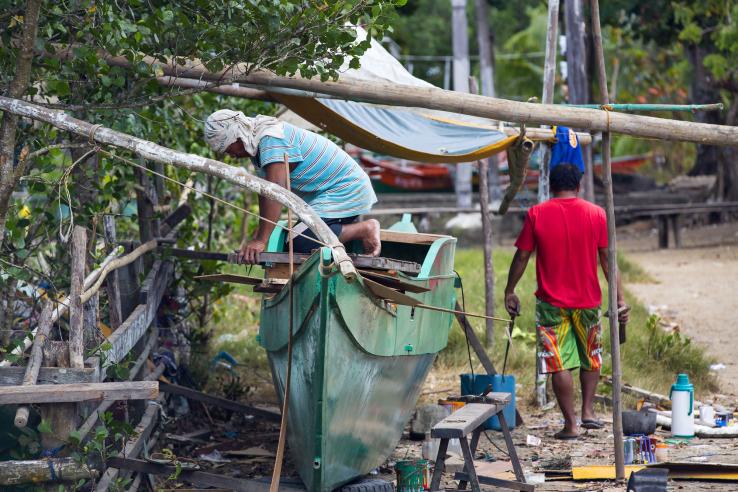
Group Versus Individual Liability in the Philippines
In this study, researchers randomly selected existing group-lending centers to convert to an individual liability model. They found no difference in repayment rates between individuals assigned individual liability and those assigned group liability, no change in overall profitability for the bank, and a reduction in voluntary savings for those removed from joint liability.

Evaluation
Valuing Trust in Shantytowns in Peru
In collaboration with PRISMA, a Peruvian NGO offering credit through village banks, researchers designed and implemented a new loan product, which required new clients to be sponsored by existing clients, to measure the relative importance of social networks and prices for borrowing in shantytowns near Lima. Results demonstrated that borrowers were more likely to obtain sponsorship from friends. Non-friends were more likely to sponsor higher quality borrowers.
Evaluation
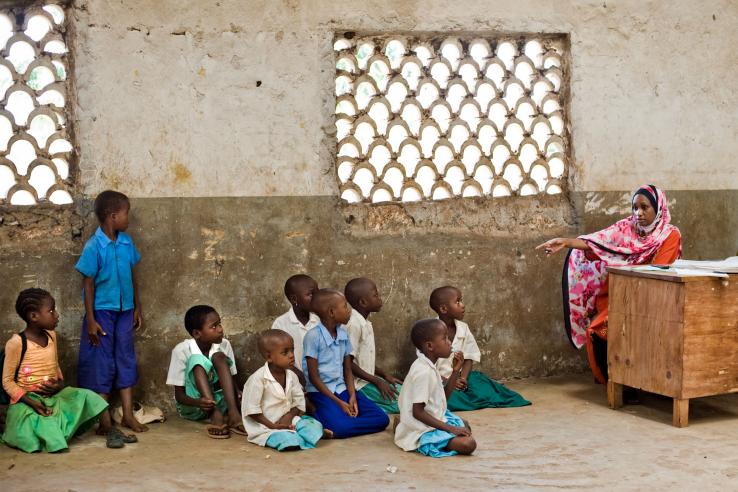
Primary School Deworming in Kenya
Researchers evaluated a mass school-based deworming program in Western Kenya, and found that deworming substantially improved health and school participation of treated children, as well as of untreated children in both treatment schools and neighboring schools. The program reduced school absenteeism by more than one-quarter, and was far cheaper than alternative ways of boosting school participation.
Evaluation
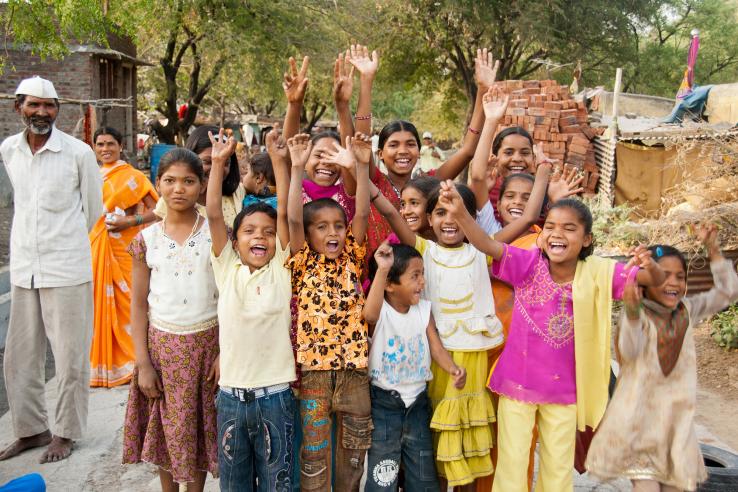
Balwadi Deworming in India
This study evaluated the impact of a preschool nutrition and health project that targeted anemia in the slums of Delhi, India on child health and school attendance. Results showed the program positively impacted weight-gain and school attendance, particularly for groups with high base-line rates of anemia.
Evaluation
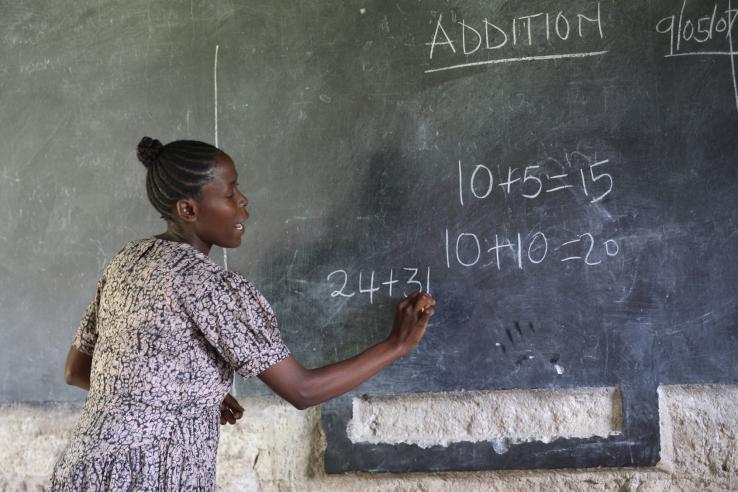
Flipcharts, School Inputs, and Retrospective versus Prospective Analyses in Kenya
Researchers provided educational flipcharts to 89 randomly selected Kenyan primary schools and evaluated their impact on student learning, comparing retrospective and prospective estimates. In the prospective study, the estimated impact of flipcharts on student test scores was found to be close to zero. In contrast, the retrospective study seriously overestimated the impact of the intervention.
Person
Jonathan Zinman
Jonathan Zinman is the R. Stephen Cheheyl Professor of Economics at Dartmouth College. He joined the faculty in 2005 after working as a researcher at the Federal Reserve Bank of New York. Zinman obtained his PhD in Economics from the Massachusetts Institute of Technology in 2002, and a BA in...

Evaluation
Vouchers for Private Schooling in Colombia
Colombia used lotteries to distribute vouchers which partially covered the cost of private secondary school for students who maintained satisfactory academic progress. Three years after the lotteries, winners were about 10 percentage points more likely to have finished 8th grade, primarily because they were less likely to repeat grades, and scored 0.2 standard deviations higher on achievement tests. In the long-run, the PACES program increased secondary school completion rates by 15 to 20 percent.
Evaluation
Peer Effects, Alcohol, and College Roommates in the United States
Researchers conducted a randomized evaluation to measure the impact of having a roommate who drank alcohol frequently before college on college students' grade point averages (GPAs). Results show that, while female students' GPAs were not affected by their roommate's drinking prior to college, male students' GPAs were significantly reduced by being assigned to a roommate who drank frequently before college.

Evaluation
Peer Effects, Diversity, and College Roommates in the United States
Researchers in the United States assessed the impact on college students of having a roommate from a different race. White students assigned to a black roommate were more likely to endorse affirmative action policies than those assigned to a white roommate. Other factors, such as having roommates from high-income or low-income backgrounds, also influenced students' behavior and attitudes towards social issues.
Evaluation
Teacher Incentives Based on Students' Test Scores in Kenya
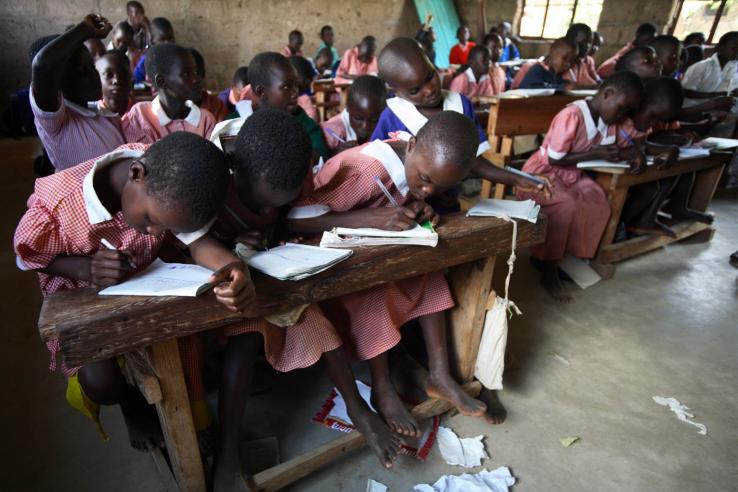
In partnership with International Child Support, researchers designed and evaluated an incentives program that provided salary bonuses to teachers in Kenya based on the performance of their school as a whole on annual district exams. While results show that the incentives program led to an increase in student test scores, researchers believe that this increase was due to improved test-taking strategies and "cramming," rather than an increase in overall knowledge. The program did not have an impact on test scores in the long-run.
Blog
Can information lead to better voting decisions? Evidence from information campaigns in India
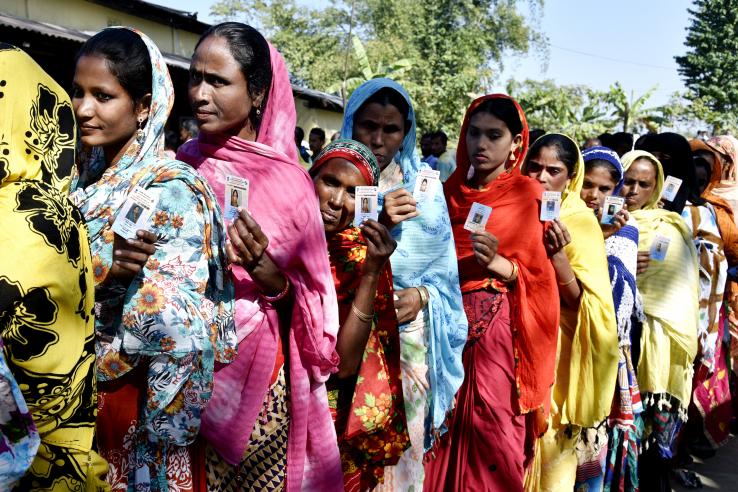
Out of 539 winners in India’s 2019 general election for the lower house of Parliament, 29 percent have, at some point, been charged with serious criminal cases, including cases related to rape, murder, attempt to murder, kidnapping, and crimes against women. Why do voters elect criminal politicians...
Person